
What Is a Text‑to‑Speech API?
A text‑to‑speech (TTS) API is a specialized service that converts written text into natural‑sounding audio. The core components are:
- Text Input – The text you want to be spoken.
- Voice Library – A selection of digital voices that can be tailored to tone, gender, and accent.
- Language Support – The ability to read content in multiple languages and dialects.
- Output – The final audio file, which you can download or stream, and optionally modify.
These APIs are designed to be straightforward; most can be integrated within minutes once you choose a provider.
Primary Uses of Text‑to‑Speech APIs
Businesses and creators leverage TTS technology across a wide spectrum of applications:
- Accessibility – Converting web pages, PDFs, and documents into spoken content for the visually impaired.
- Chatbots & Virtual Assistants – Adding natural‑voice responses to AI‑powered conversational agents.
- Content Creation – Quickly producing narrated videos, podcasts, and marketing materials without a human voice‑over.
- E‑books & Audiobooks – Transforming literary works into audio formats for on‑the‑go consumption.
- Education – Enabling students and educators to listen to lesson plans, lecture notes, and study guides.
These use cases illustrate why TTS APIs are becoming indispensable in digital workflows.
Performance Considerations for Free and Paid TTS APIs
When selecting a TTS solution, keep the following metrics in mind:
- Voice Quality – Seek APIs that deliver human‑like intonation and minimal robotic artifacts.
- Voice Variety – A robust library allows you to choose the best voice for tone and audience.
- Multilingual Capability – Support for a broad range of languages reduces the need for multiple services.
- Latency & Throughput – Fast processing is crucial for real‑time applications and large‑scale batch jobs.
How to Pick the Best Free or Paid TTS API
Use these practical guidelines to narrow your options:
- Define Your Use Case – Is this for a one‑time podcast or an ongoing streaming service?
- Set a Budget – Many providers offer tiered pricing; identify the plan that fits your volume.
- Test Free Trials – Experiment with sample text to evaluate voice realism and API responsiveness.
- Check Customization Options – Pitch, speed, volume, and emotion controls can be decisive for professional output.
Best Free and Paid Text‑to‑Speech APIs of 2024
Wondershare Filmora
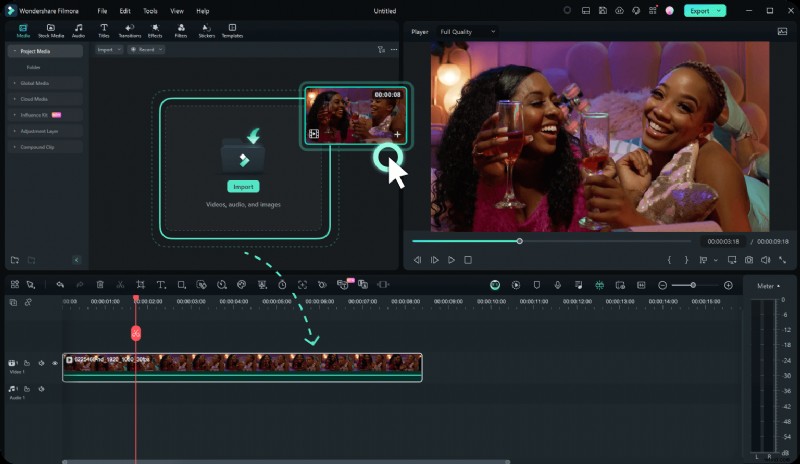
Filmora is a versatile video editor that includes a robust TTS engine. It offers more than 40 realistic voices in over 30 languages. Advanced features—voice cloning, automatic segment detection, and on‑the‑fly translation—boost productivity. Pricing starts at $9.99/month for full access.
Amazon Polly

Polly delivers natural speech using deep learning. With 5 million+ characters and roughly 20 languages, it remains a top choice for high‑volume projects. Customization of pitch, speaking rate, and voice timbre is supported. Pay‑as‑you‑go pricing can be complex, so review the cost structure carefully.
Unreal Speech
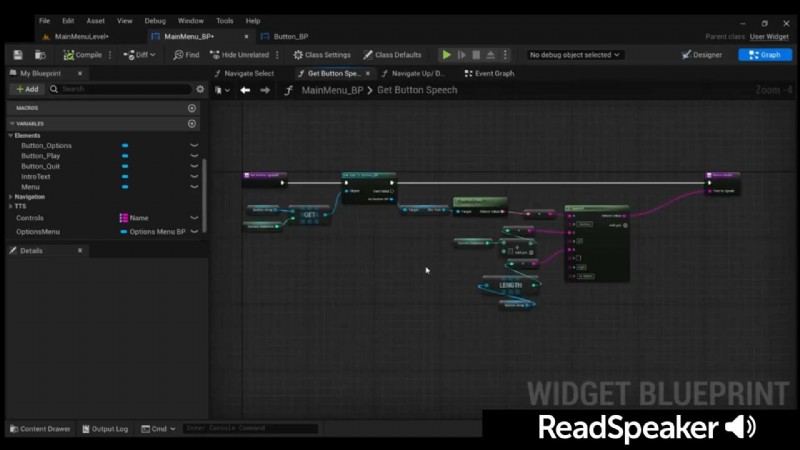
Unreal Speech offers an affordable solution with 5 voices across 30 languages. Voice selection is categorized by content type—fiction, news, and more—making it simple to match the tone. The user interface may feel cluttered for newcomers, but the platform’s focus on niche voices is a unique benefit.
Murf
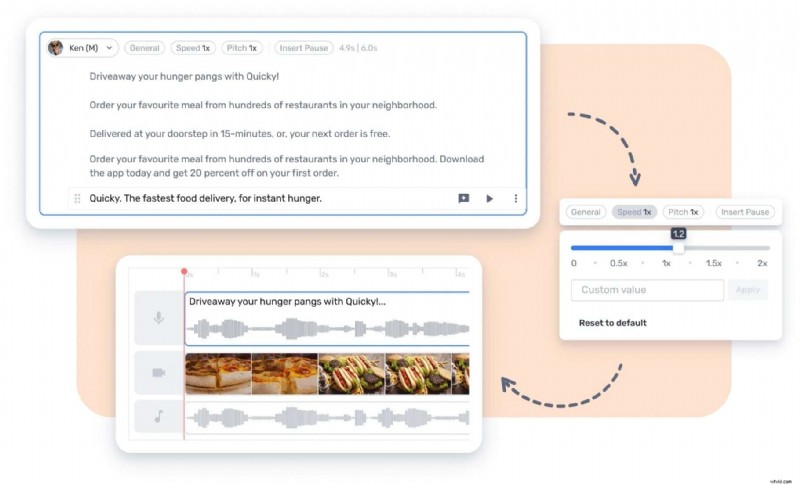
Murf is a web‑based TTS service that supports 120+ voices in 20 languages. Free users can convert up to 200 characters per month; premium plans unlock unlimited usage. Adjust speaking rate, add timestamps, and fine‑tune voices for polished output.
Voice Dream Reader
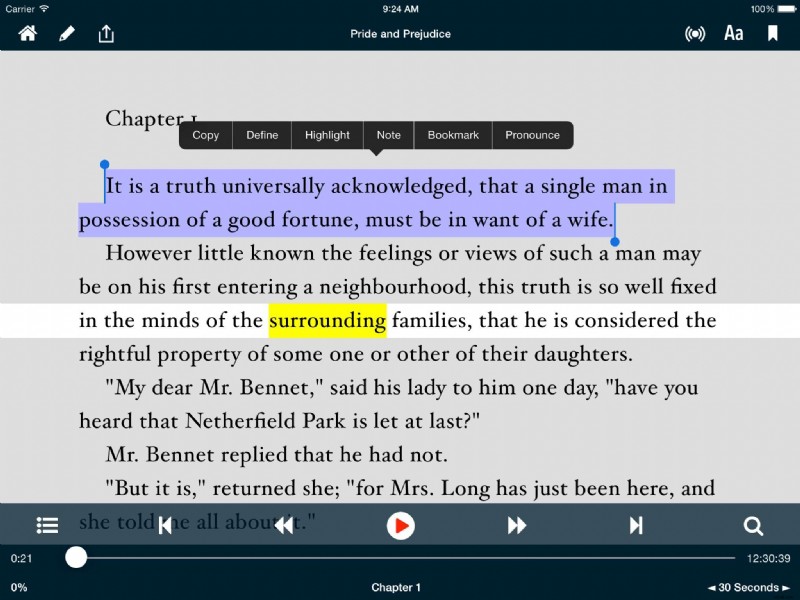
Tailored for mobile and desktop readers, Voice Dream Reader supports 200 realistic voices in 20 languages. The free version allows speed control and segment detection. It is exclusive to Apple devices, which may limit cross‑platform usage.
Speechify
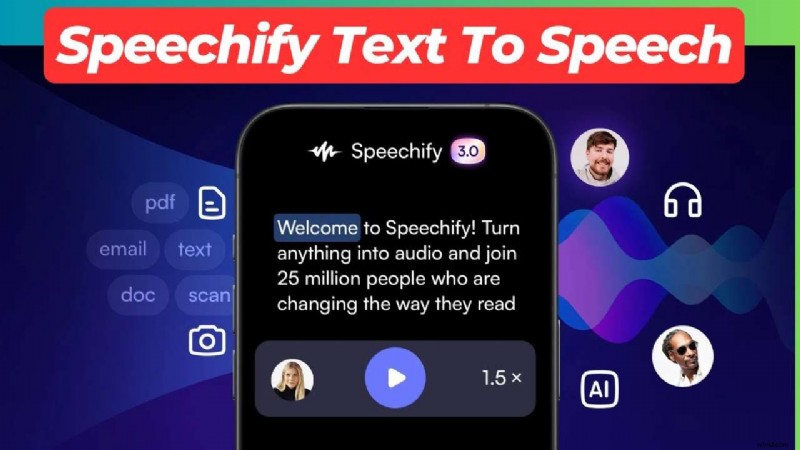
Speechify offers over 100 voices in 30+ languages. Cross‑platform availability (Android, iOS, macOS) and an AI Summary feature help you digest content quickly. Most advanced settings reside behind a subscription, but the free tier covers essential needs.
ElevenLabs
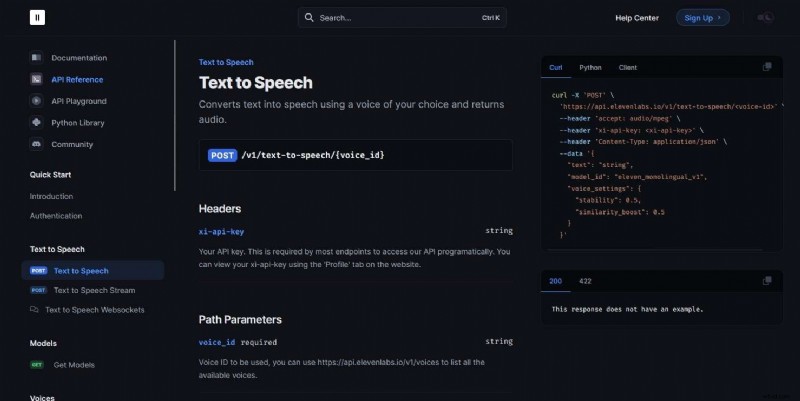
ElevenLabs provides 500 free characters, 100 voices, and 30‑language translation in its free tier. Voices respond to emotional cues, delivering highly realistic audio. The interface may require a learning curve, yet the depth of control justifies the effort.
Lovo AI
Lovo AI stands out for its extensive language and voice catalog: 500 characters and 100+ languages in the free tier, and 180 characters via the web version. Premium plans unlock the full library but come at a higher price point.
Conclusion
Text‑to‑speech APIs are reshaping how we create, consume, and distribute audio content. Whether you’re a content creator, educator, or business, the right TTS solution can dramatically improve accessibility and reduce production time. After reviewing the features and pricing above, consider Filmora for its balance of realism and affordability, Lovo AI for its language breadth, or Speechify for cross‑platform convenience.
Explore the APIs listed here, test their free tiers, and determine which platform aligns best with your goals. The future of content is voice‑centric—make the most of it with the right technology.