

Key Takeaways
- Social media fuels every phase of the student journey. From attracting prospects to engaging current students and sustaining alumni relationships, a solid strategy supports enrollment, retention, and fundraising.
- Platform selection should reflect audience habits. Identify where your stakeholders spend time in 2026, and align your channel mix accordingly.
- A comprehensive strategy turns fragmented posts into measurable impact. Combine governance, content pillars, and analytics to demonstrate ROI.
- Unified tools simplify multichannel management. Platforms like Hootsuite Social OS let higher‑education teams publish, listen, and analyze across dozens of accounts from a single dashboard.
Why Social Media Matters for Higher Education
By leveraging social media, institutions can see higher enrollment, stronger community ties, clearer communication, and increased engagement across students, faculty, and alumni.
1. Drive Enrollment Early
According to a recent RNL report, 56% of students say social media is the most important factor when they first explore colleges—long before campus tours or applications.
Authentic, student‑generated content that showcases campus life—like Quinnipiac University’s sunny‑day reel—provides a realistic preview that can spark interest and build familiarity.
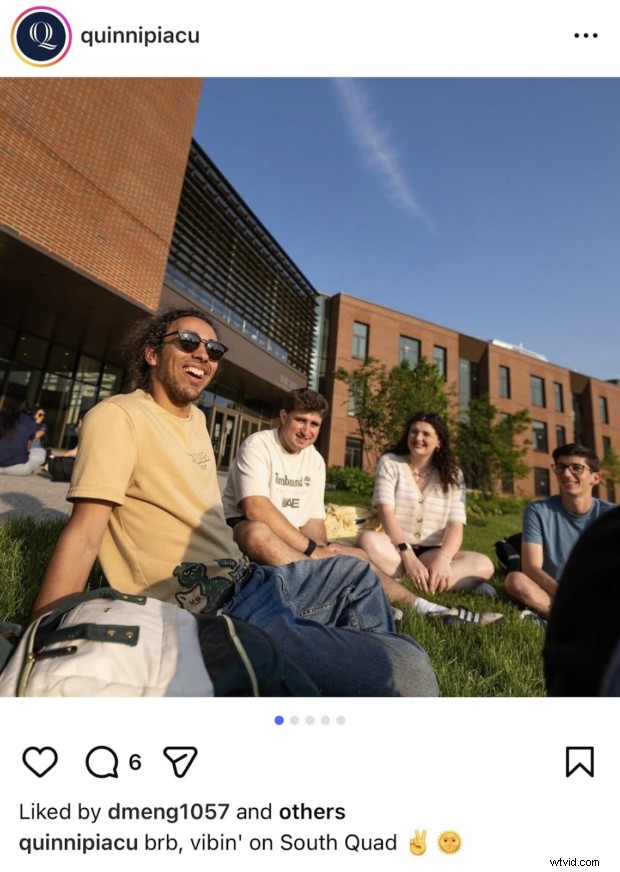 Source: Quinnipiac University
Such content is invaluable for recruitment, giving prospects a clear sense of what life on campus could be.
2. Communicate Your Values
Social media is a powerful vehicle for articulating an institution’s mission and culture. In 2026, prospective students increasingly filter choices based on value alignment.
Showcase the people and projects that embody those values—Tufts, for example, used a faculty‑focused video series to highlight its commitment to democracy.
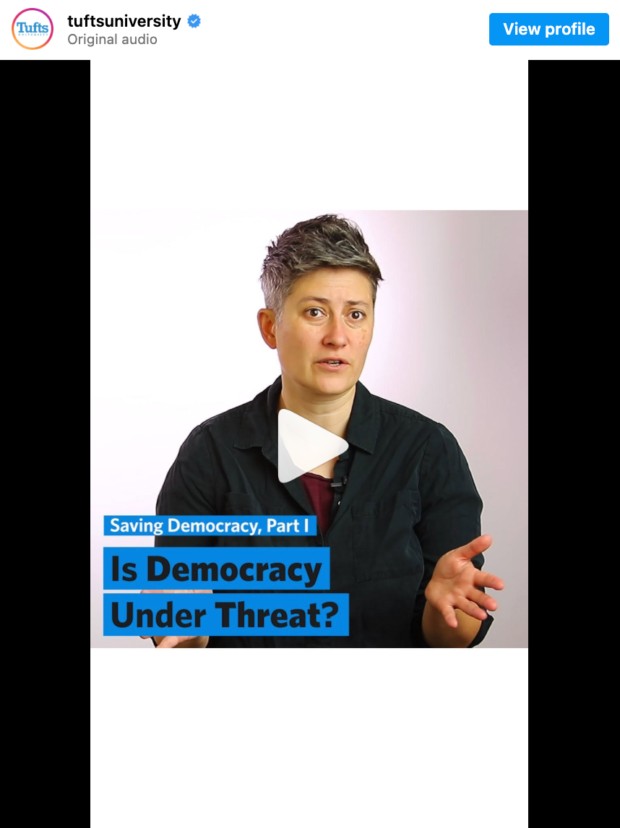 Source: Tufts
3. Celebrate Achievements
Sharing milestones—sustainability initiatives, community outreach, research breakthroughs, student wins, and athletic victories—reinforces why your institution is worth supporting.
University of British Columbia’s partnership with Lululemon, for instance, spotlighted research in innovative fabrics.
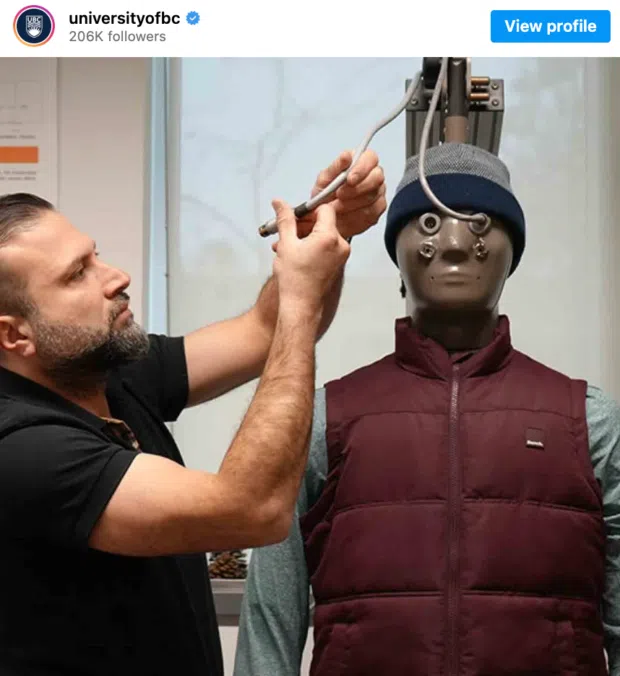 Source: University of British Columbia
4. Engage Alumni & Boost Fundraising
Alumni are a critical fundraising pool. Social platforms make sustained engagement easier, whether through dedicated alumni groups, targeted fundraising campaigns, or publicizing events like Columbia University’s annual Giving Day.
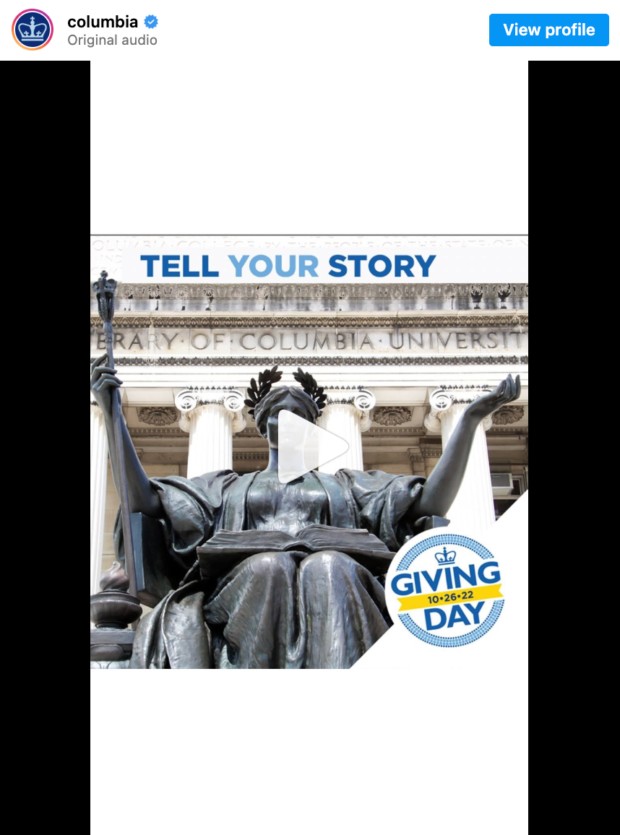 Source: Columbia
Integrating social campaigns with a CRM enables tracking of donations, ROI, and the broader impact of your outreach.
5. Harness User‑Generated Content
Students already produce a wealth of authentic content across TikTok, Snapchat, and Instagram. Leveraging a dedicated hashtag—such as Alabama’s #FirstDayUA—allows institutions to surface and repost high‑quality student moments.
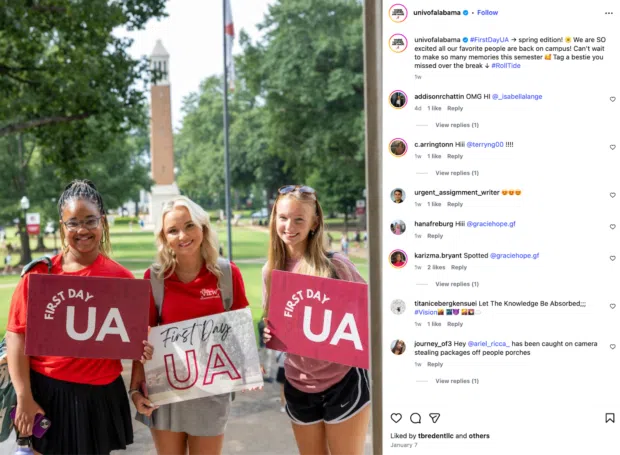 Source: University of Alabama
Social contests with modest prizes further incentivize sharing, amplifying brand reach through organic posts.
6. Offer New Learning Opportunities
Social media can serve as an adjunct classroom, enabling faculty to engage students where they already interact. Shared hashtags, private groups, and library‑led initiatives—like Nassau Community College’s A. Holly Patterson Library program—support research, media literacy, and critical thinking.
Think of your social accounts as digital classrooms where anyone can learn about your institution’s achievements and values.
Bonus: Download a Free Social Media Toolkit
Get a curated bundle of university‑specific tools—including post ideas, a social policy template, a strategy framework, and alumni outreach scripts.
How Student Digital Expectations are Shifting in 2026
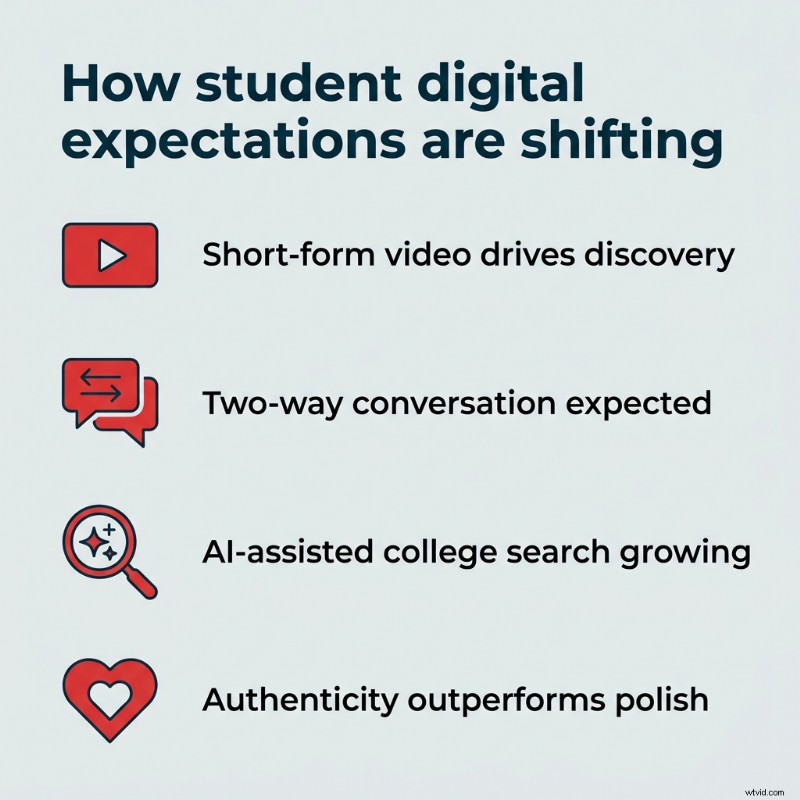
Gen Z and Gen Alpha prioritize short‑form video, two‑way conversations, AI‑assisted research, and authenticity. Here are the key trends:
- Short‑form video dominates. Reels, TikToks, and Shorts are now primary discovery channels, with 21% of teens on TikTok “almost constantly.”
- Interactive dialogue is expected. Prospects want to ask questions and receive real responses.
- AI tools shape college search. 11% of prospective students used AI to find a specific campus, underscoring the need for consistent, high‑quality content.
- Authenticity trumps polish. Behind‑the‑scenes, student‑created stories outperform heavily produced assets.
Which Platforms Matter Most for Higher Education in 2026?
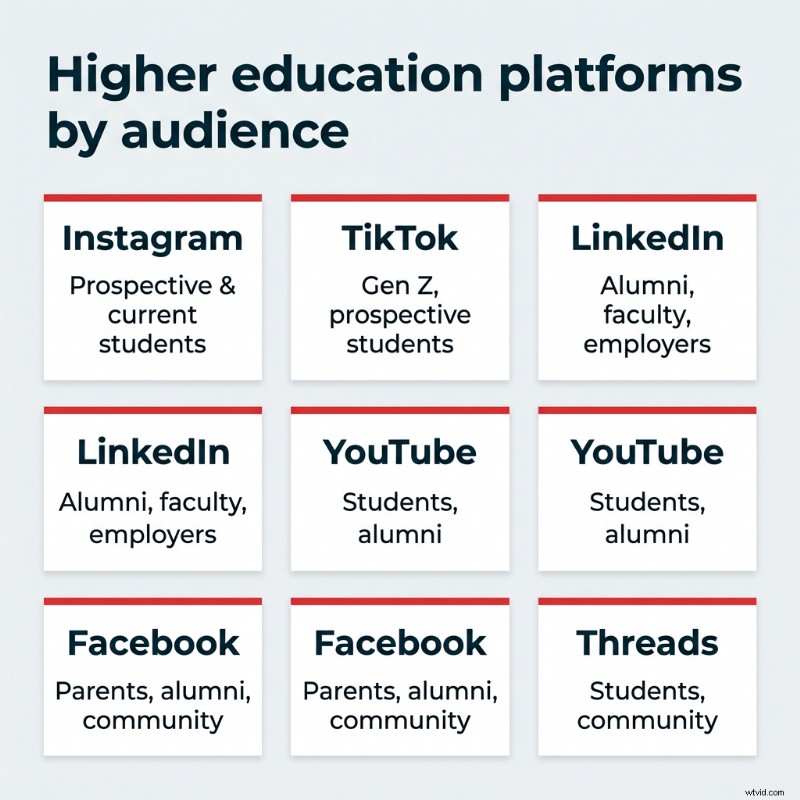
Match each channel to a distinct audience and purpose:
| Platform | Primary Audience | Best Use Cases | Typical Content |
|---|---|---|---|
| Prospective & current students | Campus life, events, recruitment | Reels, Stories, carousels | |
| TikTok | Gen Z, prospective students | Discovery, recruitment, trends | Short‑form video |
| Alumni, faculty, employers, adult learners | Employer brand, research, programs | Articles, posts, updates | |
| YouTube | Prospective students, parents, alumni | Virtual tours, lectures, commencements | Long‑form video, livestreams |
| Parents, alumni, community | Groups, events, community updates | Posts, events, groups | |
| Threads | Students, community | Conversation, real‑time updates | Short text posts |
14 Essential Steps to Maximize Your Higher‑Education Social Media
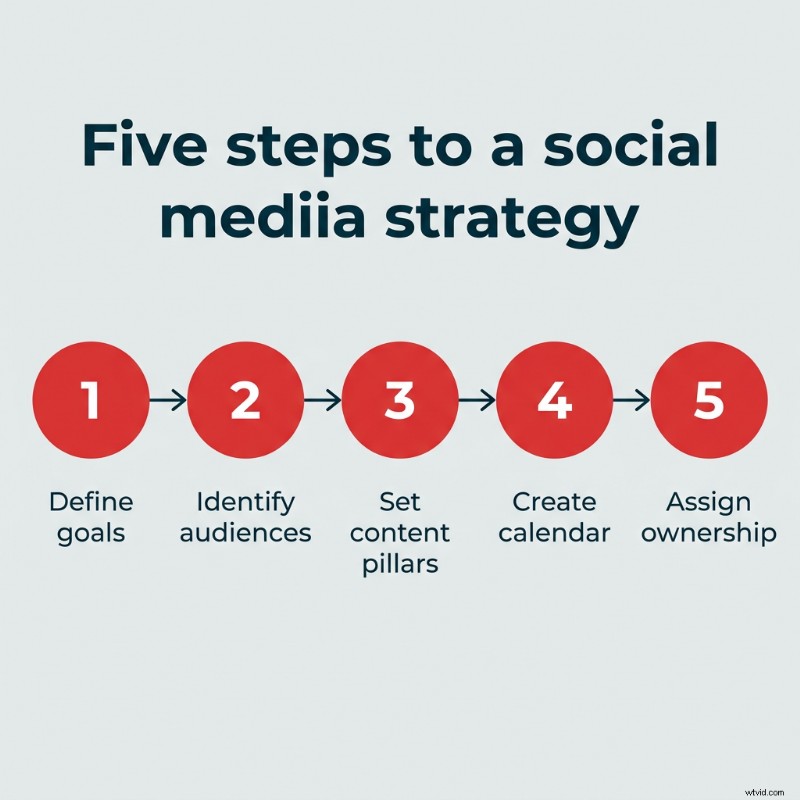
- Start with a strategy. Define goals tied to enrollment, engagement, or fundraising; map audiences; set content pillars; build a calendar; assign ownership.
- Establish guidelines and policies. Create a style guide, crisis response plan, compliance checklist, and training resources to keep teams aligned.
- Speak directly to prospects. Use day‑in‑the‑life Reels, virtual tours, Q&A Lives, and ambassador takeovers to let future students live vicariously.
- Listen actively. Monitor hashtags, keywords, and sentiment with tools like Hootsuite Lumen to uncover trends and feedback.
- Deliver real‑time updates. Include crisis communication protocols and timely posts for events such as snow days or campus safety alerts.
- Streamline operations. Centralize publishing, approval, and reporting via a unified platform to reduce silos.
- Respond to every message. Use an integrated inbox (e.g., Nest) to manage DMs, comments, and mentions with prompt, personalized replies.
- Engage both on‑ and off‑campus. Create groups for housing, civic engagement, or international student life to keep communities connected.
- Livestream events. Offer authentic, live content—whether a commencement or a behind‑the‑scenes tour—to reach a global audience.
- Position social media as a community hub. Replace costly portals with familiar platforms for housing discussions, event planning, and peer support.
- Invite student and staff creators. Facilitate takeovers and content‑creation programs that amplify authentic voices.
- Partner across departments. Collaborate with admissions, athletics, research, and other units to share resources and broaden reach.
- Measure analytics and prove ROI. Track application clicks, engagement rates, event RSVPs, and donation traffic to demonstrate impact.
- Build advocacy programs. Empower students, faculty, and staff to share branded content effortlessly, expanding reach beyond official accounts.
1. Start with a Strategy
Every successful channel begins with a clear plan. Align each departmental strategy with the university’s overarching objectives to create a unified narrative and efficient resource allocation.
2. Set Guidelines and Policies
Comprehensive guidelines—covering tone, crisis protocols, compliance, and mental‑health resources—empower teams and ensure consistent, confident communication.
3. Speak Directly to Prospects
84% of students who use virtual tours find them helpful, according to RNL. Deliver authentic, interactive content—day‑in‑the‑life Reels, live Q&As, and ambassador takeovers—to guide prospects through the decision process.
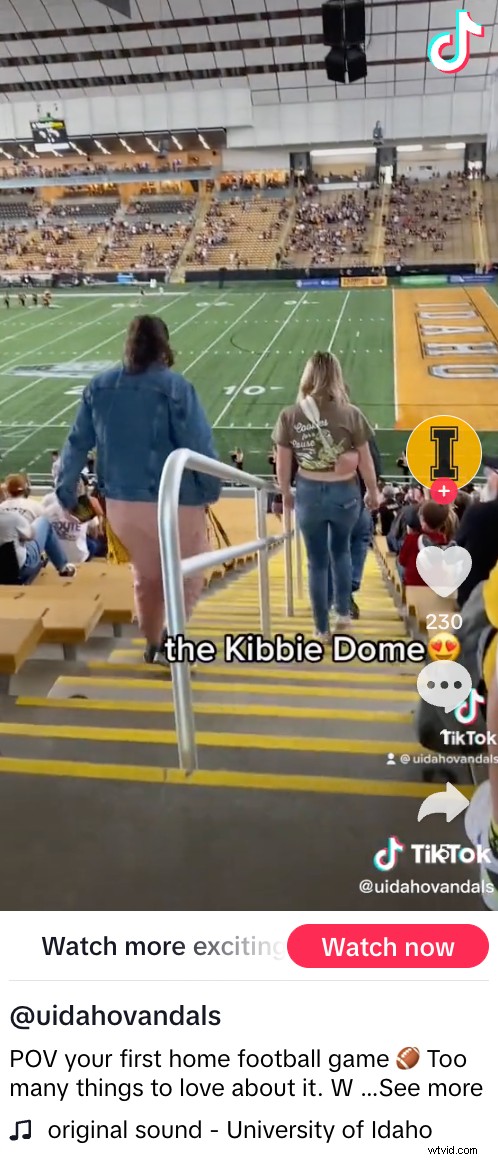 Source: University of Idaho
4. Listen as Much as You Share
Social platforms are rich sources of insight—from debate topics to campus grievances. Listening tools surface trends and sentiment, informing timely content adjustments.
5. Share Real‑Time Updates
Social media is the fastest way to disseminate critical information—weather alerts, safety notices, or social‑movement responses—keeping the campus community informed.
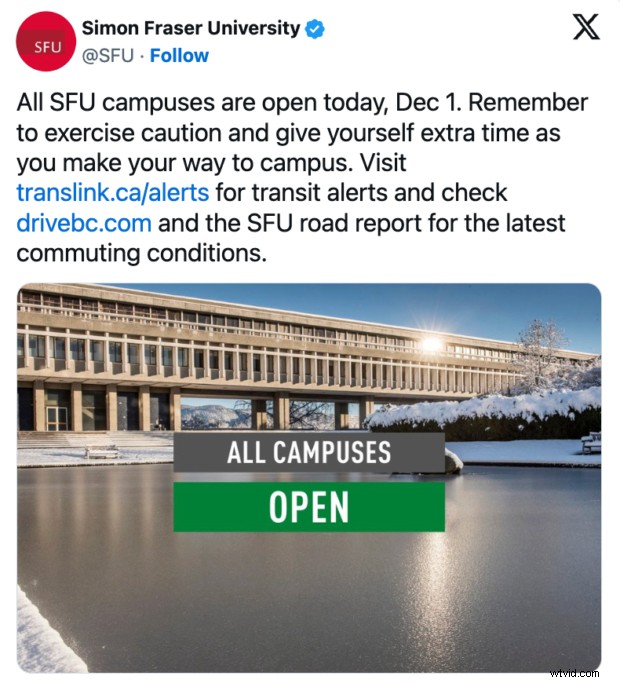 Source: Simon Fraser University
6. Streamline Operations
Centralized management via a platform like Hootsuite Social OS enables publishing, approval, and crisis coordination across dozens of accounts, reducing administrative overhead.
7. Reply to Every Message
Integrating a unified inbox (Nest) ensures no query is missed. Automated routing, AI‑assisted responses, and sentiment prioritization improve responsiveness and satisfaction.
8. Engage Students on and off Campus
Facebook groups, Threads conversations, and Instagram accounts dedicated to niche communities foster connection beyond physical boundaries.
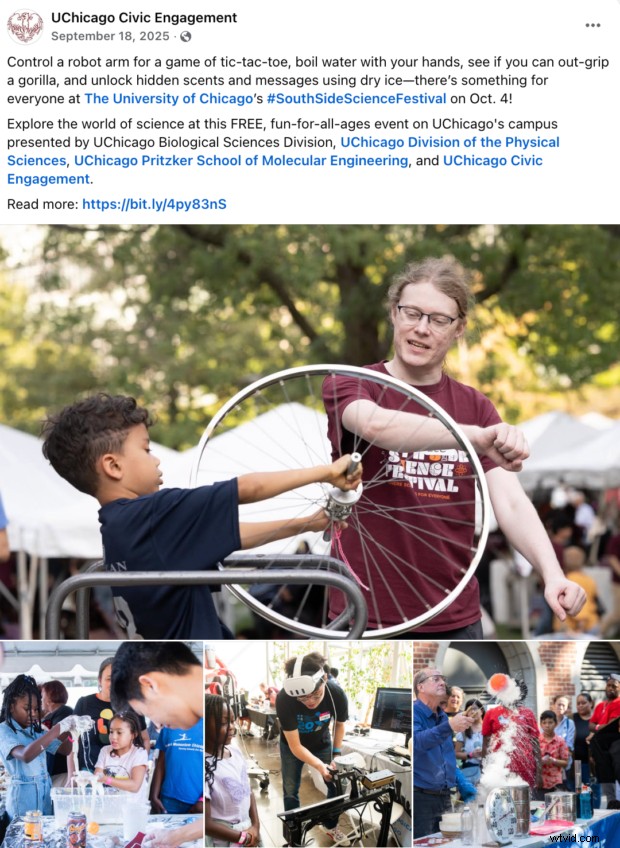 Source: University of Chicago
9. Livestream Campus Events
Live streams—whether a private student event or a public commencement—offer immediate, authentic engagement for internal and external audiences.
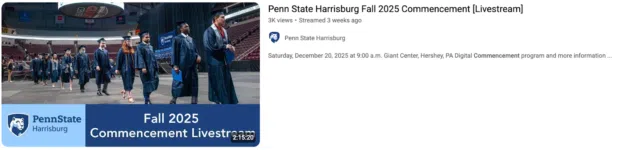 Source: Penn State
10. Use Social Media as a Community Hub
Leverage existing platforms for housing, new‑student center feedback, and international student experiences, saving resources while meeting community needs.
 Source: Yale
11. Invite Students and Staff to Create Content
Programs that allow students to take over channels or submit posts showcase authentic campus life and extend reach beyond official accounts.
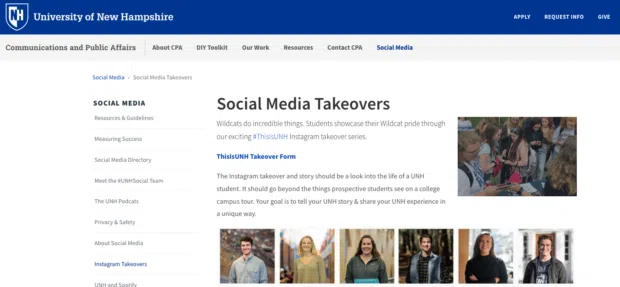 Source: University of New Hampshire
12. Partner with Departments Across Campus
Cross‑department collaboration—supported by a centralized platform—ensures cohesive messaging and efficient content curation.
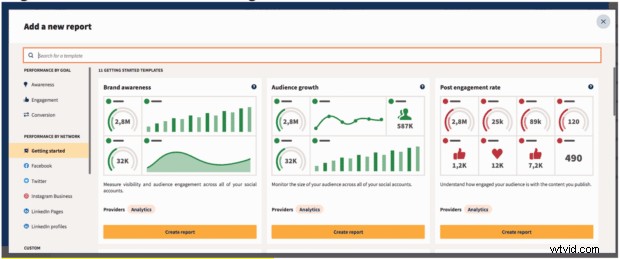
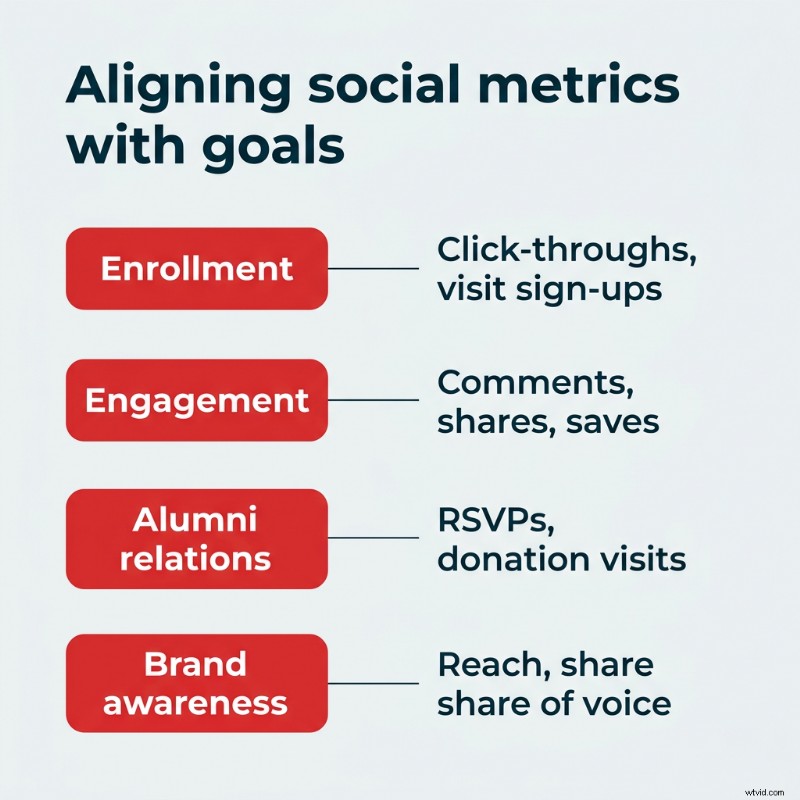
13. Review Analytics and Prove ROI
Align metrics—application clicks, engagement, event RSVPs, donation traffic—with institutional goals to demonstrate social media’s tangible impact.
14. Build an Advocacy Program
Student, faculty, and staff advocates amplify reach and authenticity. A platform that streamlines sharing and tracks engagement ensures consistent, on‑brand messaging.
Best Practices for 2026
- Define 3‑5 content pillars. Tie each theme to institutional goals for purposeful posting.
- Match platforms to audiences. Choose channels based on where each segment actually spends time.
- Prioritize authentic, student‑generated content. Real moments build trust faster than polished brand assets.
- Respond within 24 hours. Students expect real‑time conversation.
- Use governance tools. Maintain brand consistency across numerous accounts.
- Plan crisis communications. Have a real‑time update strategy ready before an incident occurs.
- Track outcome‑driven metrics. Focus on enrollment, engagement, and fundraising, not vanity numbers.
- Scale reach with advocacy. Empower the community to share on your behalf.
Frequently Asked Questions
How can universities use social media to increase student enrollment?
By showcasing authentic campus life through short‑form video, ambassador takeovers, virtual tours, and day‑in‑the‑life content, institutions reach prospects early—long before applications or campus visits.
What are the best social media strategies for higher education institutions?
Effective strategies combine authenticity, clear content pillars, robust governance, platform‑specific tailoring, and outcome‑based measurement.
Which social media platforms work best for colleges and universities?
In 2026, TikTok and Instagram excel for prospective students; LinkedIn targets alumni and employers; YouTube supports virtual tours and lectures; Facebook reaches parents and alumni groups.
How do higher education institutions measure social media success?
Measure metrics tied to institutional goals—application clicks, engagement, event RSVPs, and response times—while supplementing with qualitative listening insights.
What are examples of effective social media campaigns in higher education?
Campaigns that highlight real people and moments—such as Columbia University’s Giving Day or the University of Alabama’s #FirstDayUA—perform best by fostering genuine connection.
What is the role of social media in student recruitment?
Social media introduces prospective students to campus culture early, enabling emotional connection and informed decision‑making before any campus visit.
How can higher education institutions manage social media across multiple departments?
A centralized platform with role‑based permissions, shared calendars, and approval workflows—like Hootsuite Social OS—allows teams to coordinate while maintaining brand consistency.
What social media guidelines should colleges have in place?
Guidelines should cover brand voice, crisis response, compliance, content approval, and personal versus institutional account boundaries.
How does social media support alumni engagement and fundraising?
Regular updates, community groups, and fundraising campaigns—augmented by advocacy tools—keep alumni connected and enable easier donation sharing.
What is the 5‑5‑5 rule for social media?
This framework allocates 5 minutes to find content, 5 minutes to engage with others, and 5 minutes to create original posts, ensuring a balanced content mix.
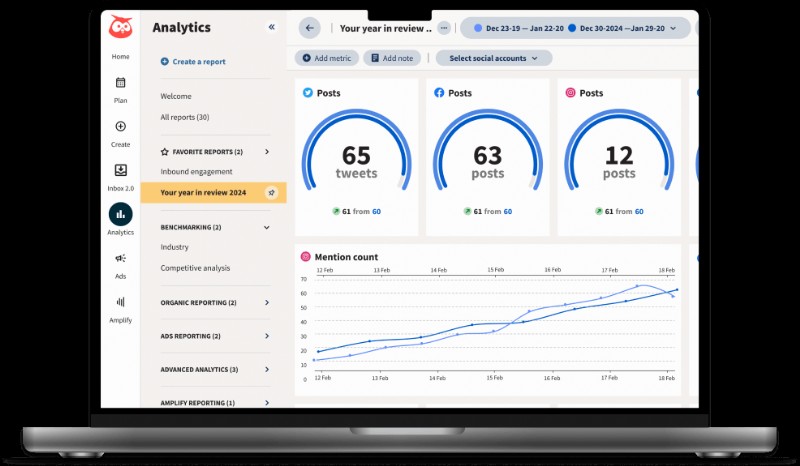
Save time managing your social media marketing strategy with Hootsuite. Publish, schedule, find relevant conversions, measure results—all from one dashboard. Try it free today.
 The #1 social media tool
Create. Schedule. Publish. Engage. Measure. Win.
By Stacey McLachlan

Stacey McLachlan is an award‑winning writer and editor from Vancouver with over a decade of experience in print and digital media. She is editor‑at‑large for Western Living and Vancouver Magazine, author of the National Magazine Award‑nominated "City Informer" column, and a frequent contributor to Dwell. Her specialties include design, people, social media strategy, and humor.