
The U.S. wellness market—worth $2 trillion and 32% of global spend—demonstrates a national commitment to health. Yet a sizable portion of Americans abandon their fitness plans, not because of cost or access, but because motivation wanes, boredom sets in, and decision fatigue hits.
For fitness creators, this "motivation gap" is a clear business opportunity. Our YouGov survey of 1,257 adults reveals that many lose consistency, underscoring the value of online fitness communities that deliver accountability, support, and continuous engagement.
Key Takeaways
- 30% of Americans set fitness goals but never follow through.
- Top barriers to consistency: lack of time, motivation, and access.
- Gym memberships, home equipment, and athletic apparel dominate holiday fitness purchases.
- Only 14% of holiday buyers opt for digital fitness content.
- 32% say convenience and exclusive content would push them toward online programs.
Half of Goal‑Setters Fail to Stick With Their Resolutions
Approximately 82 million U.S. adults plan to prioritize health and exercise in 2026, projecting $60 billion in spending. Yet 30% of those who set goals in the past two years admit they didn’t finish them, highlighting how tough long‑term consistency is—even for highly motivated individuals.
Despite setbacks, 22% of last year’s goal‑setters intend to try again next year, showing resilience and a willingness to re‑commit.

Maintaining momentum around the holidays hinges on smart planning and flexibility. Even short, manageable workouts or family‑based activity can sustain progress. Setting realistic expectations helps prevent burnout and frustration.
The challenge varies by age: younger adults (18‑34) find consistency harder, whereas those 35+ tend to hold onto their goals. Fitness becomes a higher priority as we age, making early years critical for habit formation.
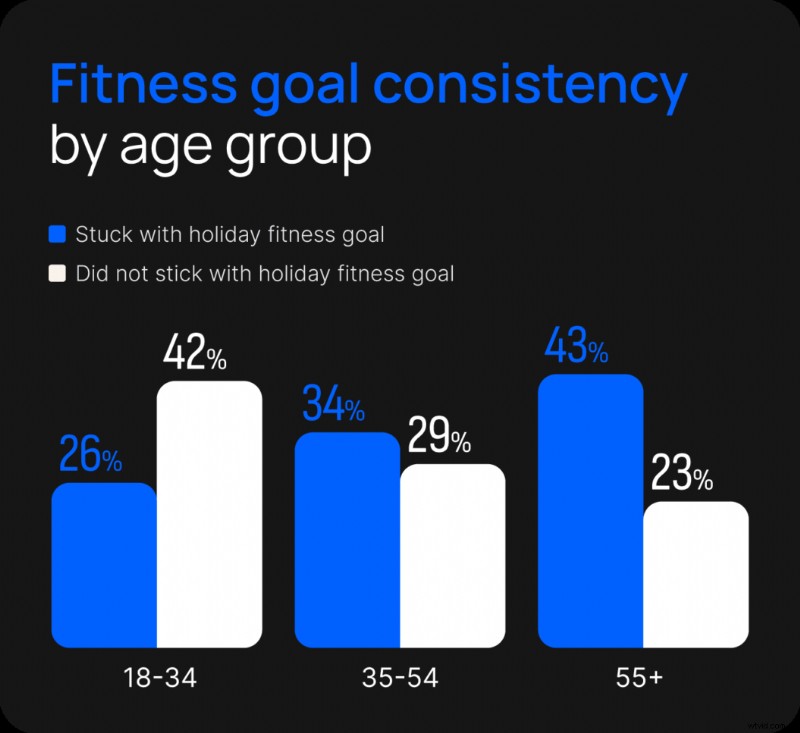
Failure to complete a goal does not dampen motivation. For creators, this means that making workouts accessible, engaging, and supportive can help younger audiences build lasting routines.
Nearly Two‑Thirds Cite Motivation and Other Barriers as Key Challenges
Especially for younger adults, low energy or lack of motivation is a major hurdle—20% cited it as the biggest obstacle. Busy schedules and daily responsibilities often push fitness to the back burner.
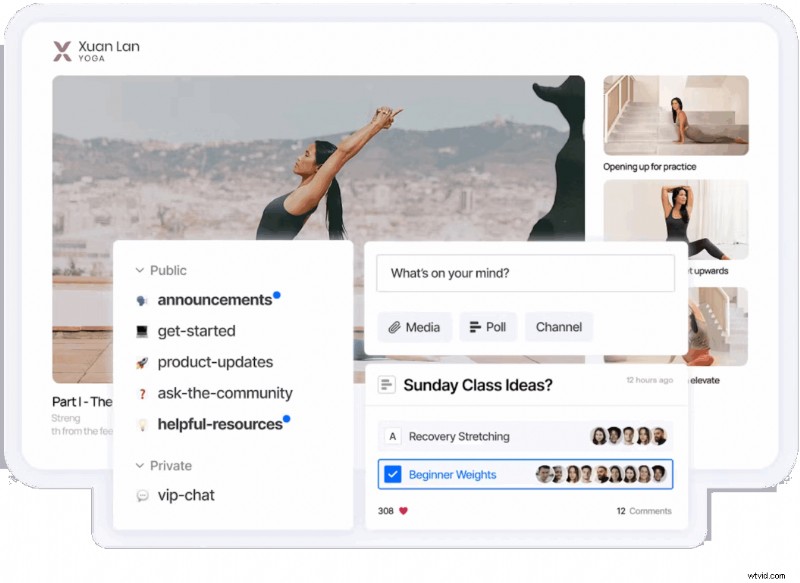
Creators can bridge this gap by fostering online communities that offer accountability and support, keeping participants engaged and consistent.
Obstacles cluster into three categories:
1. Motivation & Mindset
When progress stalls or routines feel repetitive, motivation dips. Key pain points include:
- Low energy or motivation
- Boredom or loss of interest
- Lack of challenge or long‑term engagement
- Slow or absent results
Creators can keep people engaged by consistently delivering fresh, interactive content that sparks enthusiasm.
2. Time & Lifestyle Conflicts
Work, family, and other obligations make consistency hard. For example, 77% of parents with children under 18 report obstacles that keep them from maintaining New Year’s resolutions.
Solutions: modular programs, varied workout lengths, and flexible scheduling to fit tight calendars.
3. Access & Resources
Limited facility access or financial constraints can hinder consistency, though these are less common than motivational or lifestyle issues.
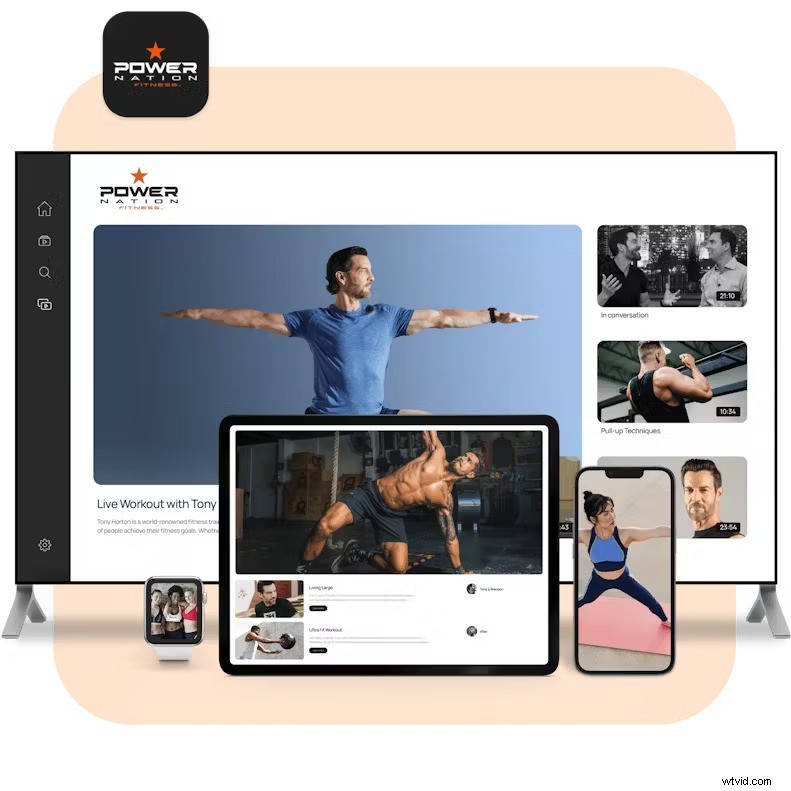
Motivation is central; creators can deliver content that is accessible anytime, anywhere—via digital catalogs, live streams, or mobile apps—enabling people to build consistent habits.
Gym Memberships Stay Popular; Digital Fitness Grows as a Flexible Option
While many are moving away from traditional gym memberships, digital fitness content is rising. 38% of Americans typically purchase fitness products or services during the holiday/New Year season, and 14% of those opt for digital or streaming content.
Hybrid fitness grew 41% between 2020 and 2022, with most users favoring a 60:40 split between in‑person and digital training—underscoring demand for flexible solutions that blend digital and physical experiences.
Subscribers stay engaged an average of 16 months, proving that memberships offer longer‑lasting impact than short‑term gadgets.
Creators can use digital memberships to bridge the motivation gap, pairing them with one‑time purchases to help audiences establish and sustain healthy habits.
Holiday Fitness Purchases: What People Buy
Among the 38% who typically buy fitness‑related items in the holiday season, the most common purchases are:
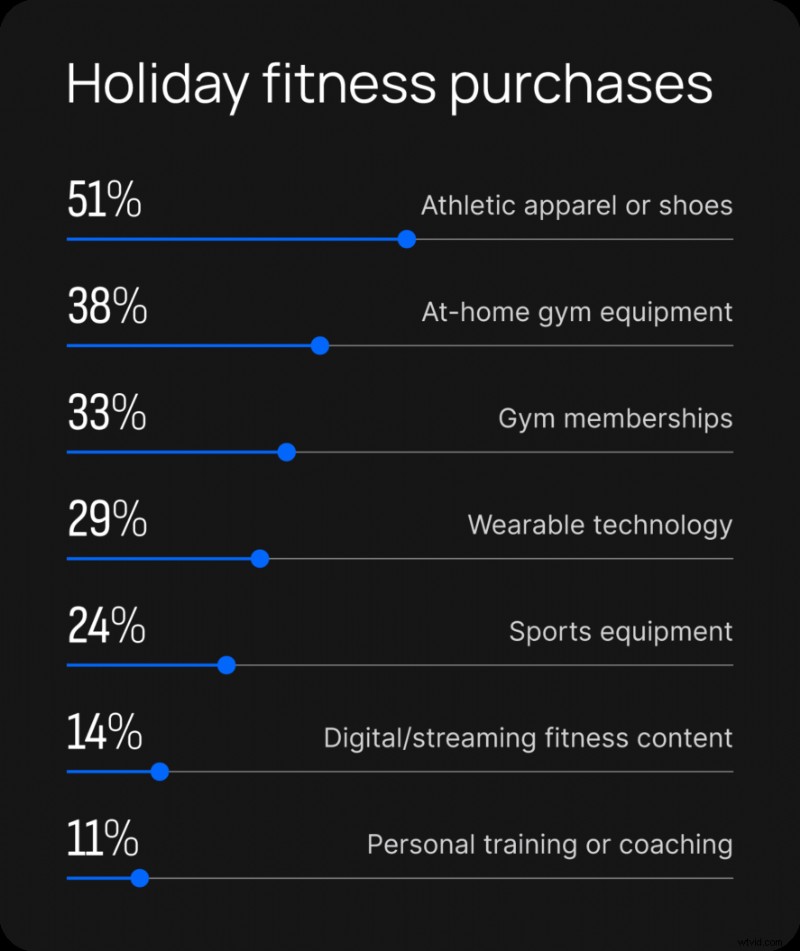
New Year’s shopping often centers on gear that offers a quick burst of motivation—new shoes, equipment, or a fitness tracker—but without a structured program, that motivation fades fast.
For creators, this presents an opportunity: memberships, virtual classes, and digital programs can transform initial excitement into consistent routines and long‑term results.
Accessories like trackers can boost engagement when integrated with content, enhancing habit‑building and sustainability.
How Creators Can Inspire Lasting Fitness Habits
Gear and equipment spark interest, but motivation wanes without ongoing guidance. Communities provide accountability, encouragement, and a sense of belonging.
Convenience matters: 23% of Americans said at‑home workouts would motivate them to join an online program, while 9% were interested in exclusive content such as community challenges.
Platforms like Uscreen empower creators to offer virtual classes, modular programs, and community‑driven challenges—providing structure, accountability, and engagement. Holiday promotions further boost performance: Uscreen data shows
- Creators earned $100 M+ during the 2024 holiday season.
- Launches before January see 10–20% higher success rates.
- Holiday‑surge launches generate 3–4× more revenue than post‑December launches.
Engage new members with community challenges and content that integrates relevant accessories or tools.
For example, Pilates & Yoga with Katja leveraged Uscreen’s community features—comments, direct messaging, private forums—to create a space for questions, wins, and connection. These features grew membership by 10% and boosted engagement by 9%, keeping members motivated and improving retention.

Being able to talk with everyone in one place keeps them motivated—far more than YouTube comments ever could.
Yoga creators can apply these insights to craft digital experiences that transform motivation into lasting habits, benefiting both members and business sustainability.
Turn Motivation into Momentum with Uscreen
Helping people stay motivated is a major opportunity for fitness creators. By turning short‑term interest into lasting habits, you can monetize your videos and grow a supportive community.
Uscreen’s platform offers live streaming, modular programs, and community tools, positioning you as a reliable source of fitness motivation and a sustainable, engaged audience.
Watch our quick demo to see how Uscreen can help you monetize videos and expand your reach.
Methodology
This survey was conducted by YouGov for Uscreen, sampling 1,257 adults aged 18+ from October 10–12, 2025. Data is unweighted with a ±3% margin of error and 95% confidence level.