
Home
Blog
Hidden Pro Audio & Lavalier Hacks for Filmmakers
Audio is a cornerstone of compelling filmmaking. While visuals often grab the spotlight, the soundscape can elevate or undermine a project’s impact. Mastering the fundamentals is achievable with a bit of practice, yet the real difference lies in the subtle, often overlooked techniques that sharpen audio quality. Lavaliers, in particular, can transform dialogue clarity when approached with expertise.
Filmmaker Mark Bone recently produced a concise video that dives into these lesser‑known lav strategies. The discussion, enriched by audio professional Dane Kelly, covers mic types, optimal positioning, cable routing, and a host of practical tips—presented here in a condensed, actionable format.
The Tools
Before you hit record, ensure your kit includes every accessory that can help you capture pristine audio. The right mic and mounts can vary depending on the shoot, so a flexible setup is essential.
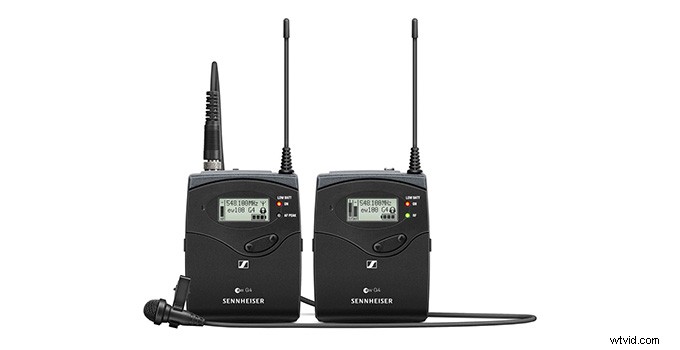
Image Credit: Sennheiser
Dane showcases a Sennheiser G4 with its standard lav attachment. While functional, the mic’s larger surface area increases the risk of clothing rustle. He then demonstrates the Sanken COS‑11D, a professional‑grade lav that is roughly half the size. Its compact profile reduces clothing interference and simplifies placement.
Mounting options abound. For straightforward interviews or vlogs, a simple clip‑on is sufficient. Mark illustrates a more discreet approach, though Dane notes that hiding the mic in the shirt often compromises placement quality.
Proper Lav Positioning
Regardless of microphone model, placement dictates sound quality. For lavaliers, the centre of the chest—just above the collarbone—offers the clearest capture. Moving the mic closer to the throat can introduce undesirable frequency shifts, which may require post‑production EQ adjustments.

Image Credit: Sanken
Preparing the Lav
Effective positioning often relies on specialized mounts. Dane favours a rectangular rubber holder, which can be paired with a wind cap when necessary. This setup mitigates wind noise while preserving the mic’s proximity to the source. For added stability, medical or “snot” tape—both hypoallergenic—can secure the mic to the subject’s clothing or skin. On windy days, a Rycote Windjammer further reduces hiss.
Placing the Lav on the Subject
Choosing the correct tape is vital. Medical tape is skin‑friendly, while snot tape provides a stronger bond to fabric. Attach the mic to the side of the clothing that will generate the most rustle; for example, a thick shirt is best clamped directly to the fabric rather than the skin to avoid excessive noise. Sweat can compromise adhesive, so shirt‑based mounting is preferable in humid conditions. Hair presents a challenge—tape can snag and cause discomfort, so consider a low‑profile clip if the subject’s hair is long.

Image Credit: Rycote
In practice, Dane applies three layers of tape to secure the mic to Mark’s chest, then routes the cable to the side with a bit of slack, securing it with a final strip of tape. This technique prevents the cable from appearing directly down the chest, maintaining a clean aesthetic.
Shotgun vs. Lavalier
A final consideration is whether to rely on a boom or shotgun mic. Shotguns capture a fuller, more natural sound and integrate ambient cues, but they demand proximity and can pick up unintended sounds. Lavaliers, when placed correctly, deliver focused dialogue but may suffer from variability if the subject moves. Understanding these trade‑offs allows you to select the best tool for each scenario.
Mastering lav placement is a critical skill that elevates every filmmaker’s work.
Source: Mark Bone
Order Links:
- Sennheiser G4 Wireless Lavalier Microphone System (B&H, Amazon)
- Sanken COS‑11D Lavalier Microphone (B&H, Amazon)
- Rycote Lavalier Windjammer (B&H, Amazon)
Disclaimer: As an Amazon Associate and a participant in other affiliate programs, we may earn a small commission from qualifying purchases made through some of the links on this page – at no additional cost to you.
About The Author

Shawn Steiner
Shawn studied both cinema and photography with a strong focus on photojournalism and documentary work. You can check out his Instagram, as well as most other social media accounts, @shawncsteiner to see more of his work.