
Sony has made good use of the phenomenal full-frame sensor found in the FX6 and a7S III. The FX3 was the next one to see it and now there is the even more affordable ZV-E1.
We are going to look at those last two in particular since they are both video-focused models and while they share a sensor—and theoretically image quality to some extent – they come in at vastly different price points and with an array of different features.
Filmmaker Anthony LiPani has got his hands on both of these cameras and does a deep dive on the differences between the ZV-E1 and FX3. Is it possible that the ZV-E1 is giving you more for half the price?
Body Design
Premium pricing usually comes with premium features and when it comes to the body design the FX3 is clearly in the lead. It is much more durable and has extra features that make it better suited to professional work.
We are talking about a built-in fan, customizable buttons, dual card slots, a larger grip, an array of 1/4”-20 mounting threads, and a bit more.
That’s not to say there aren’t particular advantages to the ZV-E1. It is smaller and lighter by a far margin. The built-in mic system is designed to work straight out of the box with a little windscreen included.
Though, you do lose a fair amount of physical controls and the HDMI slot is reduced to a micro version.
Still, the FX3 is the better built model.
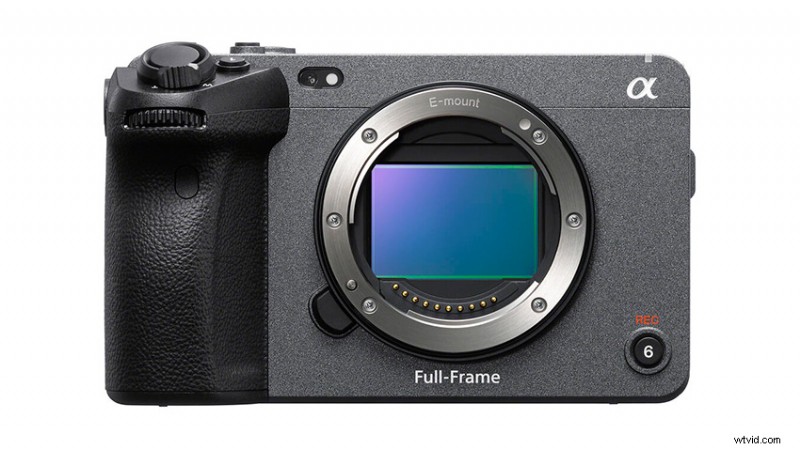
Image Credit: Sony
Software
Being a few years newer does give the ZV-E1 advantages when it comes to features. One of them is the improvement to touchscreen controls. There’s access to an on-screen record button, the subject recognition options, a mode button, and more.
The built-in microphone has options for changing the pickup pattern which is cool.
The FX3 doesn’t have any of those touchscreen controls or newer features. Seems like the newer cameras have some advantages in the tech.
Both can load in custom LUTs and breathing compensation as of the latest FX3 firmware update. For autofocus, the ZV-E1 is a bit better with the latest algorithms for tracking subjects. The new person recognition system in the ZV-E1 is superior.
ZV-E1 is the winner here.
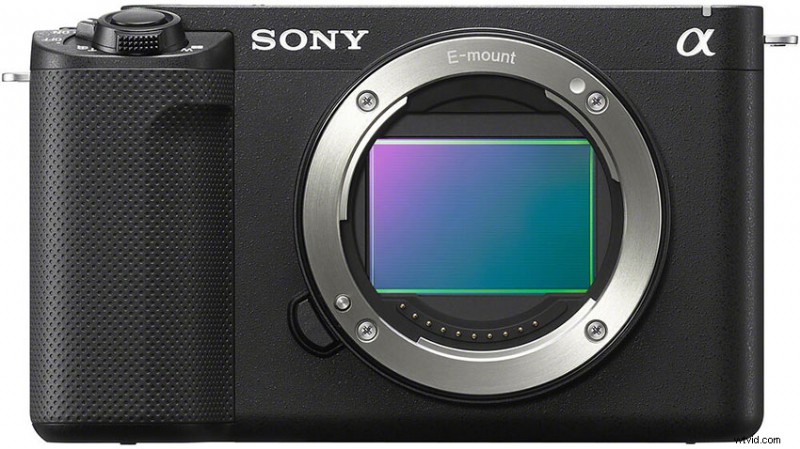
Image Credit: Sony
Stabilization
Both cameras have in-body image stabilization and the Active SteadyShot mode for a combination of digital and optical stabilization. This mode is very effective.
The ZV-E1 does add a Dynamic Active SteadyShot mode that adds a bit more of a crop to do an even better job with the digital stabilization.
Anthony claims that this Dynamic mode will get the ZV-E1 to produce footage that is close to GoPro or gimbal level. That’s impressive.
Audio
Similar to the other ZV series cameras, the ZV-E1 brings a neat on-board mic system that allows you to choose the directionality on the fly. It does a pretty good job of eliminating background noise, too.
You can add the ECM-B1M Shotgun Microphone that pops into the hot shoe for an even better audio experience. For vlogging it works extremely well.
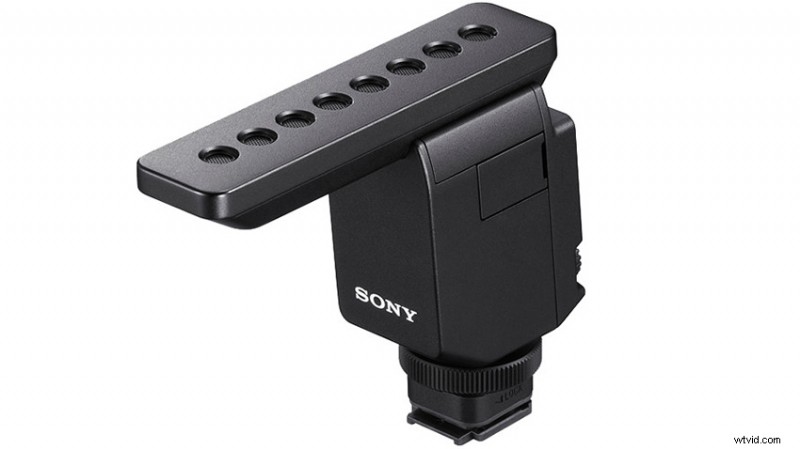
Image Credit: Sony
It doesn’t get mentioned in the video but the FX3, while it doesn’t have the advanced in-camera mic system, it comes with a handle that has XLR inputs and a shotgun mic holder.
It’s bigger but will deliver better quality audio. It’s more gear to get set up though.
Close call here, going to depend on what you need out of your audio.
New Features
A couple vlogging-specific features have come to the ZV-E1 that may seem gimmicky at first: Auto Reframing and Framing Stabilizer.
These modes will basically allow the camera to automatically track a subject and crop in and pan around the frame to keep them as the major focus.
The Auto Reframing tool is meant for when you are on a tripod and want to keep the subject in the frame while they are moving around.
The Framing Stabilizer is for if you are moving and want to keep the subject in a specific part of the frame.
These are on the ZV-E1 and not the FX3.
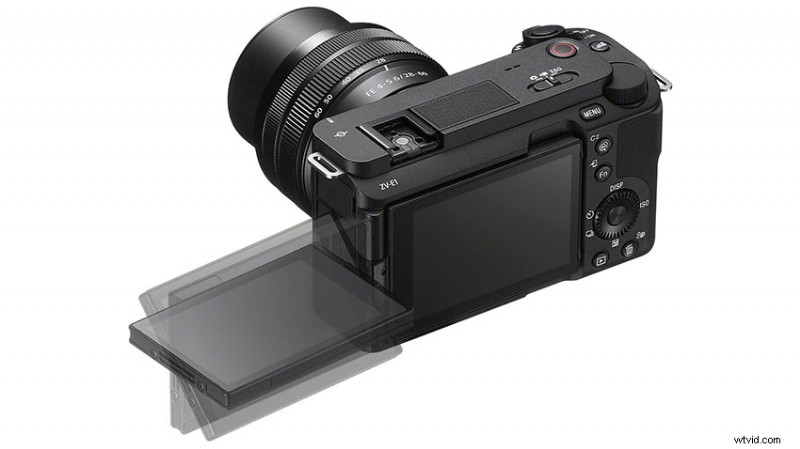
Image Credit: Sony
Overheating
A big question relates to overheating. The FX3 has an advantage here since it has active cooling with its built-in fan.
In Anthony’s experience, this has made it extremely reliable and he has gone entire days with the camera without fail.
With the ZV-E1 he hasn’t had any overheating, but it likely won’t handle itself the same way in the most stressful situations.
Everyday usage didn’t reveal any issues though and it might not be the best pick for critical situations like a wedding.
FX3 wins out here.
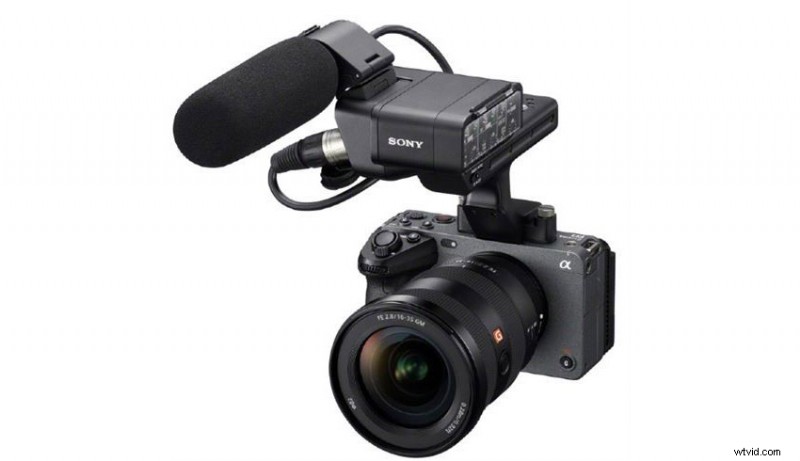
Image Credit: Sony
Final Thoughts
He didn’t spend much time on a lot of features specific to the FX3, like raw output, true 24.00 fps, Cine Ei, and more. So, it tended to give the ZV-E1 a bit more of an edge in these direct comparisons than it maybe deserved.
However, with that said, the ZV-E1 is delivering nearly the same image quality and tons of new features that are outstanding for everyday shooting.
Unless you need the pro features of the FX3, it does seem like the ZV-E1 might not just be a way to save cash, but also give you more features to make shooting easier.
What do you think? Which would you pick?
[source: Anthony LiPani]
Order Links:
- Sony ZV-E1 Mirrorless Camera (B&H, Amazon)
- Sony FX3 Cinema Camera (B&H, Amazon)
- Sony ECM-B1M Shotgun Microphone (B&H, Amazon)
Disclaimer: As an Amazon Associate and a participant in other affiliate programs, we may earn a small comission from qualifying purchases made through some of the links on this page - at no additional cost to you.