
Achieving a Dreamy Glow: Essential Natural Light Techniques
Light is the cornerstone of every compelling image. Understanding how it behaves—and how to harness it—can transform your work from ordinary to extraordinary.
In practice, the amount of light needed depends on your camera’s ISO, aperture, and shutter speed. The lens aperture determines how much light reaches the sensor, while the shutter speed controls exposure duration. A correctly balanced exposure ensures detail, color accuracy, and a lifelike scene—without it, your frame will be a flat black.
Seek the Sun: Where to Find Your Best Light
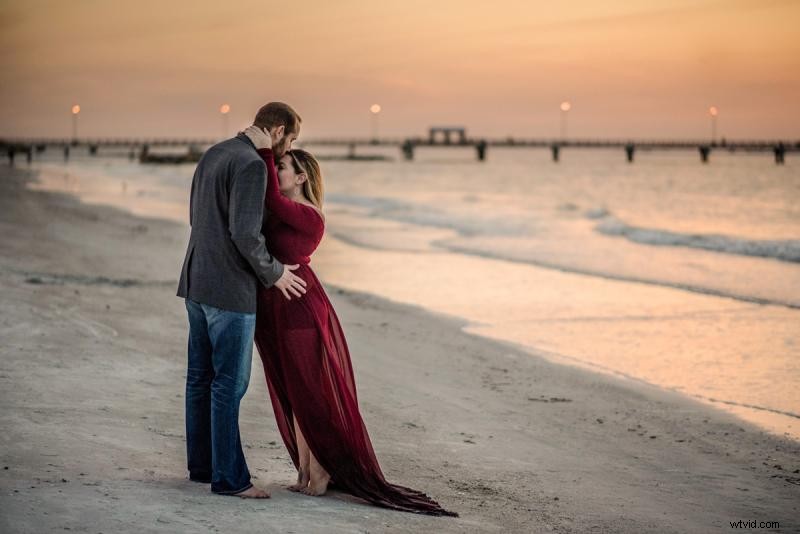
In outdoor settings, the sun is the primary light source. Mid‑day sun can be harsh, producing bright highlights and deep shadows. The golden and blue hours—approximately 30 minutes before sunrise and after sunset—offer softer, warmer light that creates a signature glow. If you’re shooting outside of these windows, the following strategies help you capture beautiful images regardless of the time of day.
Use Shadows to Your Advantage
Locate natural shadows on the ground. Position your subject so their face is oriented toward their own shadow; this places the sun behind them and softens facial highlights. A quick “circle test”—raising a hand and rotating—lets you observe how light moves across skin, helping you spot the most even illumination.
Find Open Shade and Secondary Light Sources
During the brightest hours, search for areas that provide shade while still allowing reflected light. Think of a doorway or a tree canopy that blocks direct sun but lets diffuse, secondary light reach your subject. This technique is especially useful when you cannot move the subject into a darker spot.

Embrace Diffused Light
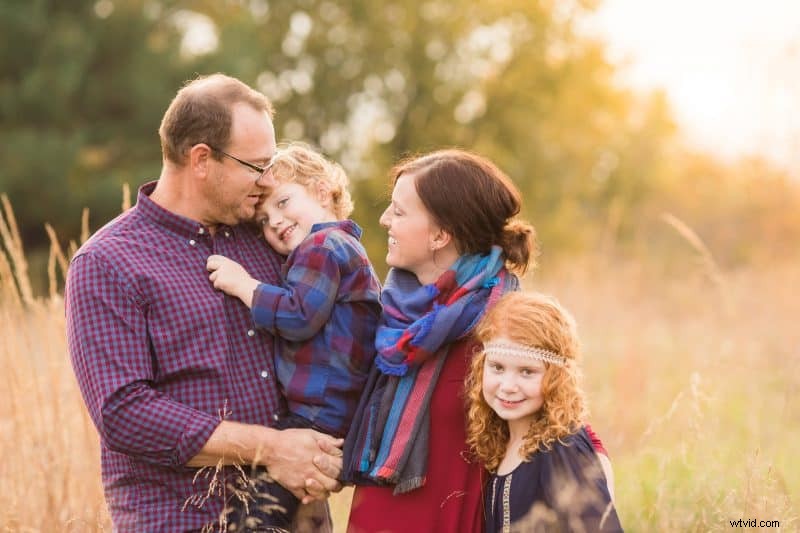
Anything that breaks up harsh rays—tree branches, curtains, or a canopy—creates diffused light. Position your subject so that only part of their face receives direct sun, perhaps illuminating the back of their head. This approach highlights hair and creates a natural backlighting effect without harsh shadows.
Body Blocking and Light Wrapping
When you have no shade or diffusers, consider body blocking: a taller subject can shield another from direct sun, reducing hot spots. Combine this with light wrapping—allowing light to hug the back of the subject’s head and gently flow toward the face—to create a flattering, balanced exposure.

Harness the Power of Backlighting
Backlighting, especially during golden hour, produces a coveted rim of light that separates your subject from the background. To capture this effect, place the sun behind the subject and adjust exposure to avoid over‑blown highlights. Small tweaks—such as slightly adjusting the camera angle—can preserve detail while maintaining that dreamy glow.
Managing Haze and Lens Flare
Directly pointing your camera at the sun can introduce haze—a soft, yellowish wash—or lens flare—bright, often distracting shapes. Keep the sun off the camera axis, or rotate the camera 30° to the left or right, and use a lens hood to minimize flare. Some photographers embrace these artifacts for creative flair; others treat them as nuisances. Experiment to see which style suits your vision.

Utilizing Cloudy or Overcast Conditions
Overcast skies act as a natural softbox, diffusing light and reducing harsh contrast. However, they can cast a cool, gray tone on skin and highlight under‑eye circles. In these conditions, orient your subject toward the sun to brighten skin tones and eliminate shadows.
Natural Light Reflectors
When a professional reflector isn’t available, look for neutral‑colored surfaces—white stone paths, limestone walkways, or light‑colored walls—to bounce light back onto your subject. Avoid dark backgrounds that absorb light, as they create a “black hole” effect. Be mindful of color casts: green grass can tint skin, while white or light gray surfaces provide the most neutral reflection.
Mastering natural light means understanding how to manipulate its quality and direction. With these techniques, you can consistently deliver portraits that radiate warmth, depth, and authenticity.