Understanding Artificial Light Sources
In photography, artificial illumination is generally split into two categories: continuous lighting and flash (strobe) lighting. Each offers distinct workflows, technical requirements, and creative outcomes.
What Is Continuous Lighting?
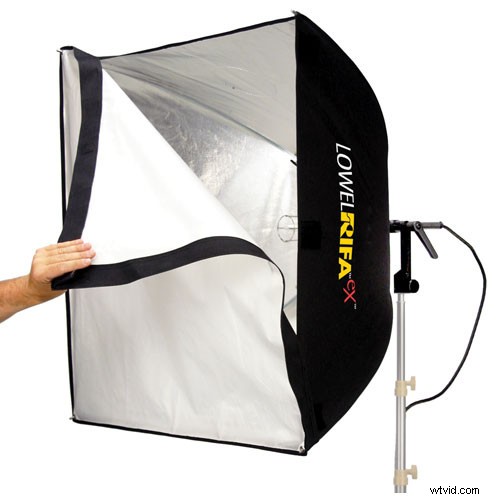
Continuous lights stay on for an extended period. Whether it’s a table lamp, an overhead fixture, or an LED panel, the light is visible in real‑time. This makes it possible to see exactly how a subject is illuminated before the shutter fires.
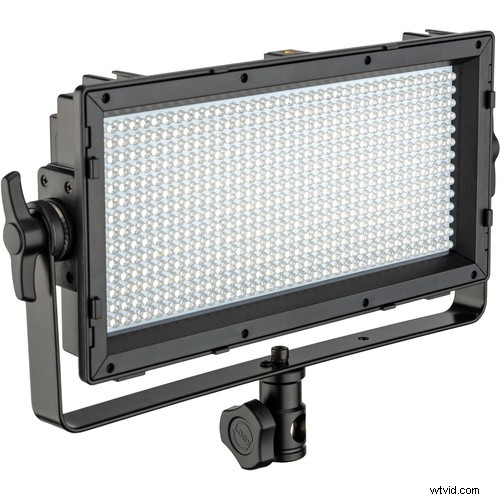
Common continuous‑light technologies include incandescent, LED, fluorescent, tungsten, and even plasma. LED panels, in particular, have become the industry standard due to their energy efficiency, low heat output, and ease of use.
What Is Flash or Strobe Lighting?
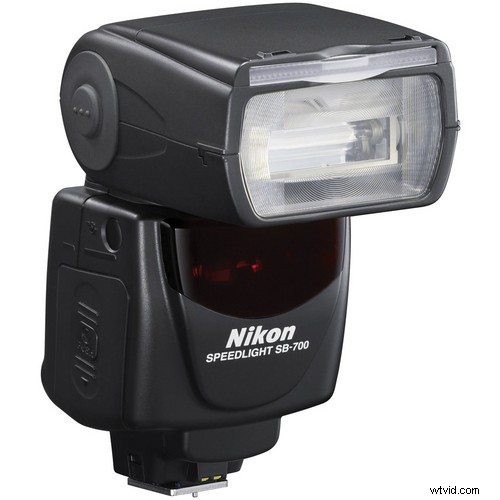
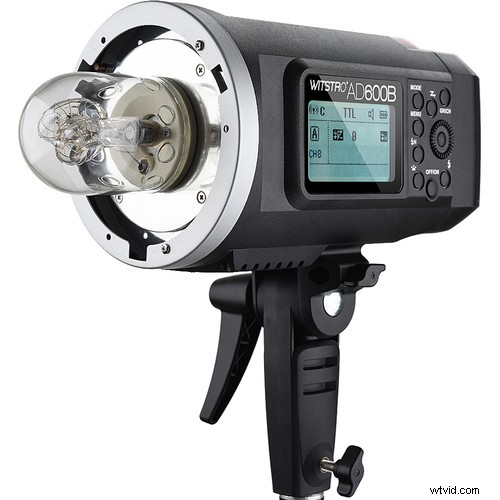
Flash lighting is intermittent. A flash unit fires a brief, intense burst of light that coincides with the camera’s shutter. Speedlights and studio strobes can be used with modifiers, on‑camera, or off‑camera, and they are typically powered by batteries or a mains supply.
Continuous Lighting vs. Flash: Which Is Better for Your Photography?
The answer is context‑dependent. Below we compare the core advantages and limitations of each system to help you decide what fits your style and workflow.
Benefits of Continuous Lighting
• Real‑time visual feedback – You can see how light falls on the subject before you capture the image, making it easier to adjust shadows and highlights on the fly.
• Video compatibility – Continuous light stays on, allowing you to shoot both stills and video without switching equipment.
• Ease of use – No triggers, receivers, or cable management are required; the light simply turns on and stays on.
• Lower entry cost – A basic LED kit can be less expensive than an entry‑level strobe system.
Drawbacks of Continuous Lighting
• Limited power – Many starter kits struggle to provide enough illumination for larger subjects or fast shutter speeds.
• Heat and noise – Incandescent and some LED units can become hot, and high‑power models often require a fan that may generate audible noise.
• Dependence on a power source – Continuous lights must be plugged in, which limits portability and makes outdoor shooting cumbersome.
• Higher ISO and noise risk – Insufficient light can force you to raise ISO, potentially adding digital noise.
• Inadequate for event lighting – Continuous illumination can be distracting in weddings or conferences where ambient mood matters.
Benefits of Flash Lighting
• High power output – A single speedlight can deliver more illumination than most entry‑level continuous kits, and powerful strobes can even overpower the sun.
• Portable and battery‑powered – Speedlights and strobes can run on rechargeable batteries, freeing you from cables and allowing easy setup anywhere.
• Motion freeze – The brief burst of light freezes action, making flash ideal for sports, portraits, and any scene with movement.
• Ambient control – Flash can completely eliminate background light, creating a dramatic, studio‑like effect even in bright environments.
• Versatile placement – Strobes can be positioned far from the subject and still provide adequate illumination, unlike many continuous lights.
Drawbacks of Flash Lighting
• Steeper learning curve – Mastery requires understanding triggers, sync speeds, power settings, and modifier usage.
• No real‑time visual feedback – You must take a test shot, review it, and adjust, which can slow down a shoot.
• Not suitable for video – The flash fires only when the shutter opens, so it cannot be used for continuous video capture.
• Potential health risks – Flash can trigger seizures in some individuals; continuous lights pose no such risk.
• Fan noise in some studio units – High‑end strobes may have fans that cycle on and off during a session.
LED Lights and Panels
LED panels have largely displaced older continuous‑light technologies. They provide consistent color temperature, low heat, and minimal power consumption, making them ideal for studio, product, and portrait work.
Because LED panels are flat, their light distribution differs from the omnidirectional output of a strobe bulb. Understanding this difference helps you choose the right modifiers and positioning.
Combining Continuous and Flash Light
Many photographers use both systems simultaneously. For example, a continuous LED wash can set the overall scene, while a strobe adds fill or highlights. Just ensure all lights share the same color temperature to avoid color correction headaches.
Choosing the Right Kit for Your Needs
• Indoor portraits or product photography – A high‑quality LED kit is a solid starting point, especially if you value real‑time feedback.
• Action, events, or outdoor work – Flash (speedlights or strobes) offers the power and portability required.
• Video production – Continuous lighting is mandatory; a small LED panel or ring light is often sufficient.
• Growth mindset – Learning both systems expands your creative toolbox. Even if you start with continuous lights, mastering flash opens new possibilities.
Investment Tips and Common Pitfalls
Beware ultra‑cheap kits that offer “everything” for a fraction of the price. These often feature flimsy stands, low‑quality bulbs, and unreliable power supply. They can also pose fire or safety hazards.
When buying, read professional reviews, and choose reputable brands such as Godox, Profoto, Elinchrom, or Flashgear. Trusted retailers like Adorama, B&H, and local camera shops offer warranties and support.
Remember: a higher upfront cost often translates to lower long‑term maintenance and replacement expenses.
Final Thoughts
Both continuous and flash lighting have earned a place in the photographer’s arsenal. Your decision should be driven by the subjects you shoot, the environments you work in, and your willingness to learn new techniques. With the right equipment and a solid understanding of light, you can create compelling images in any setting.