
Before you set your drone’s rotors spinning, you must meet federal requirements to avoid fines or grounding. Gaining a Part 107 Remote Pilot Certificate not only keeps you compliant but also unlocks creative and commercial opportunities.
1. Does Your Drone Weigh Under 55 lbs?
Part 107 covers unmanned aircraft that weigh less than 55 pounds at take‑off. If your drone exceeds that threshold, you’ll need a different approval pathway.
2. What Are You Flying For?
The Small UAS Rule (14 CFR Part 107) outlines the rules for drones under 55 lb. Whether you’re filming a wedding, inspecting a roof, or scouting a new location, you’ll need Part 107 certification unless you fall into a specific exemption.
3. The Recreational Flyer Exception
Recreational pilots can operate without Part 107 certification *if* they meet the FAA’s criteria. Key points:
- Flying is for personal enjoyment, not compensation.
- You must pass the Recreational UAS Safety Test (TRUST) and carry proof of passing.
- You must follow the FAA’s recreational flying rules.
While this route can save paperwork, it limits what you can legally do. For instance, photographing a friend’s property for a commercial project would exceed the recreational scope and could trigger penalties. For long‑term flexibility and peace of mind, Part 107 certification is the safest path.
4. How to Get Your Remote Pilot Certificate
- Obtain an FAA Tracking Number by completing the Integrated Airman Certification and Rating Application (IACRA) online.
- Pass the UAS General – Small (UAG) Knowledge Test. You must be at least 16, read/write English, and demonstrate safe flight knowledge.
- Complete Form 8710‑13 through IACRA to formalize your certification.
- Register Your Drone at FAA DroneZone. Registration is valid for three years and requires a Remote ID serial number if your drone has the capability.
Once you’ve finished these steps, you’ll enjoy three years of compliant flight—though not all skies are open.
5. Identifying Permitted Airspace
Even a certified pilot must avoid restricted areas. Key restrictions include:
- Event zones (sports, concerts, etc.)
- Airport airspace (controlled and uncontrolled)
- Military and other restricted airspace
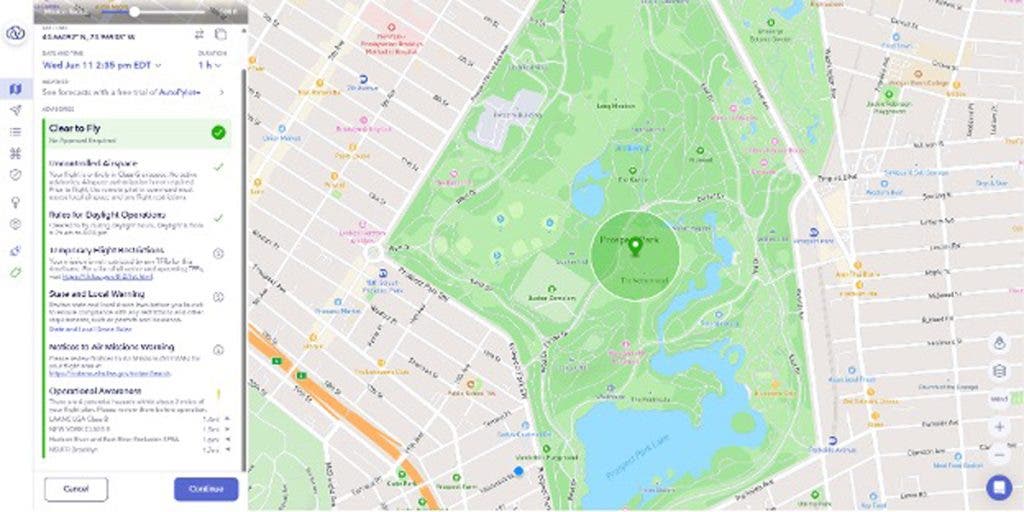
The B4UFLY app (iOS, Android, Desktop) displays real‑time no‑fly zones and safe operating windows. It’s an essential tool for every pilot.
6. FAA‑Recognized Identification Areas (FRIAs)
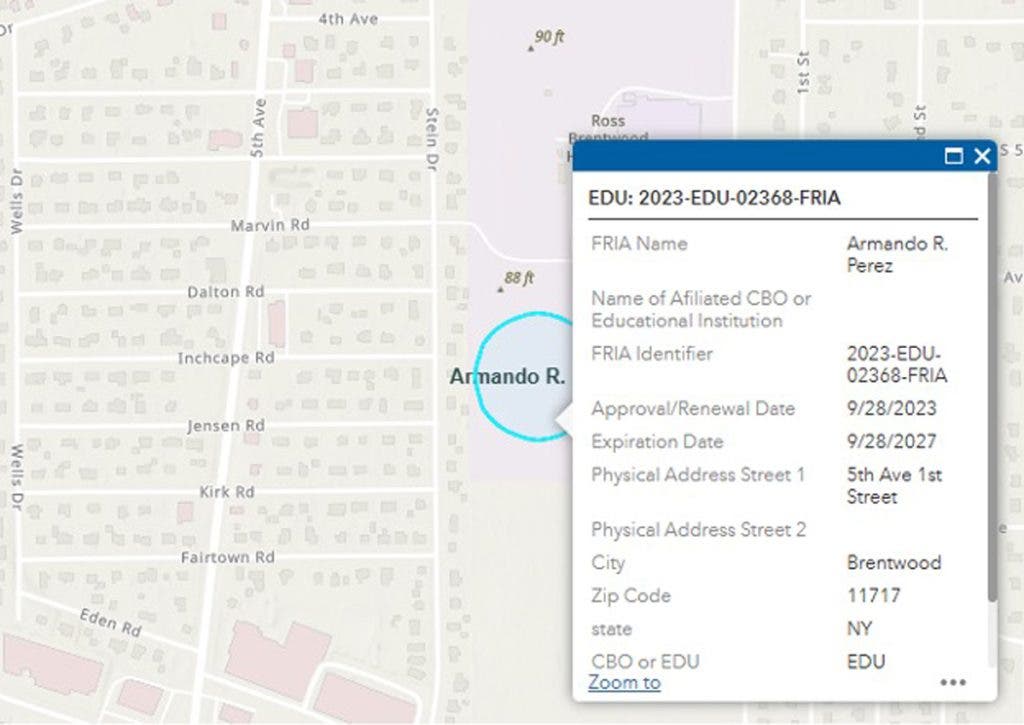
A FRIA is a designated geographic zone where drones without Remote ID can operate, provided the pilot maintains visual line of sight at all times. The FAA publishes a nationwide FRIA map that can be accessed online. Keep in mind that many FRIAs are small and may not cover your intended flight area.
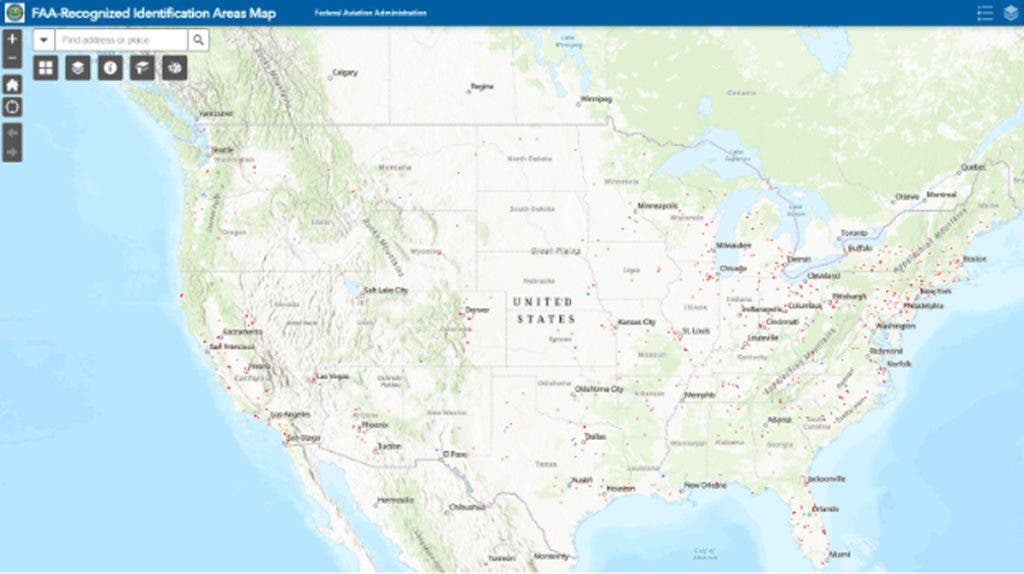
As illustrated, FRIAs are limited in number and size. Check the FAA map before planning a flight outside a certified zone.
7. Check Your State’s Regulations
State and local governments can impose additional rules. The National Conference of State Legislatures’ Current Unmanned Aircraft State Law Landscape is a good starting point, though it’s wise to consult official state agencies for the most current guidance.
8. Visiting the U.S. with Your Drone?
Foreign visitors must still adhere to Part 107 and state rules. The FAA provides a dedicated page outlining how to bring drones into the United States for tourism or business.
9. Flying Your Drone Abroad
Every country has its own drone regulations, which can change rapidly. Rely on official aviation authority websites rather than third‑party aggregators. For example, the European Union’s Drone Regulatory System offers up‑to‑date EU rules.

Todd Terwilliger
Todd Terwilliger is a freelance digital marketing consultant and content creator based in Brooklyn, New York. He helps organizations manage and develop their websites and digital marketing experiences with an eye toward usability and accessibility. When not helping clients optimize their digital spaces, he runs a website and YouTube channel dedicated to tabletop roleplaying games.