
We may earn revenue from the products available on this page and participate in affiliate programs. Learn more ›
Capturing birds in their natural habitat demands a lens that balances reach, sharpness, and discretion. A well‑chosen telephoto keeps you at a respectful distance, reduces the risk of startling wildlife, and delivers crisp detail even in challenging light.
- Best Canon: Canon EF 100‑400mm f/4.5‑5.6L IS II USM Lens
- Best Canon premium: Canon EF 500mm f/4L IS II USM Lens
- Best Nikon: Nikon AF‑S FX NIKKOR 200‑500mm f/5.6E ED
- Best Nikon premium: Nikon AF‑S FX NIKKOR 600mm f/4E FL ED
- Best Sony: Sony FE 200‑600mm f/5.6‑6.3 G OSS
- Best Sony premium: Sony FE 400mm f/2.8 GM OSS Lens
- Best Fujifilm: Fujifilm XF 100‑400mm f/4.5‑5.6 R LM OIS WR Lens
- Best Micro Four‑Thirds: Olympus M.Zuiko Digital ED 300mm f/4 IS PRO
- Best Budget: Sigma 150‑600mm 5‑6.3 Contemporary DG OS HSM
How We Selected the Best Lenses for Bird Photography
The Pop Photo editorial team has decades of experience across major camera systems and photographic genres. Our selection process blended personal testing, industry insight, peer reviews, user feedback, and manufacturer specifications to identify lenses that excel in reach, image quality, autofocus speed, and durability.
Because bird photography relies on a telephoto lens to stay out of sight, we prioritized focal lengths of at least 300mm. We evaluated every major brand, including consumer‑level and professional options, and considered low‑light performance, weight, size, autofocus performance, image stabilization, weather sealing, and, above all, image quality.
Best Lenses for Bird Photography: Reviews & Recommendations
Best Canon: Canon EF 100‑400mm f/4.5‑5.6L IS II USM Lens
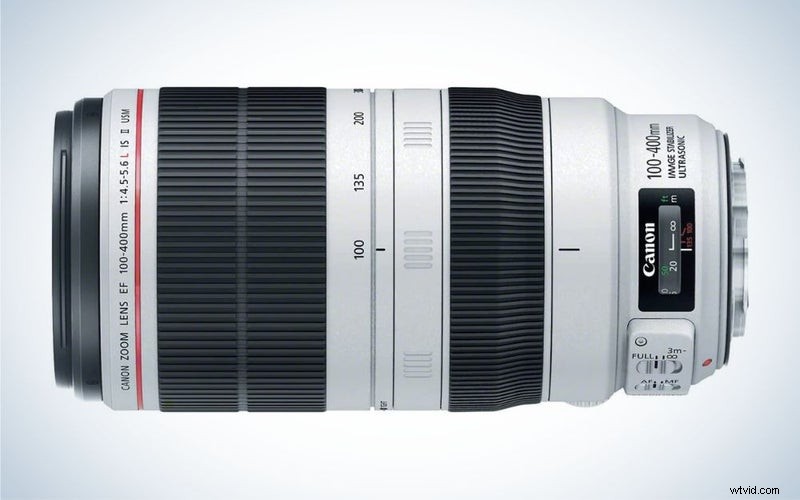
Why it made the cut: A rugged, high‑performance zoom that delivers exceptional sharpness across its full range without the bulk of a prime.
Key features:
- Maximum aperture: f/4.5‑5.6
- Weight: 3.61 lb
- Filter size: 77 mm
- Minimum focusing distance: 3.22 ft
Pros
- Ideal 100‑400mm zoom for birding
- Four stops of image stabilization
- Weather‑resistant construction
- Exceptional sharpness
Cons
- Heavy for handheld use
- Premium price point
This second‑generation Canon lens improves on the 1998 original by adopting a twist‑zoom mechanism and a sealed body, making it a favorite for wildlife shooters. The four‑stop IS and selectable modes (Standard, Panning, Exposure‑Only) keep you flexible in diverse shooting scenarios. The fast, silent autofocus helps avoid disturbing birds, and the consistent sharpness throughout the zoom range confirms its status as a top choice for enthusiasts.
Best Canon premium: Canon EF 500mm f/4L IS II USM Lens
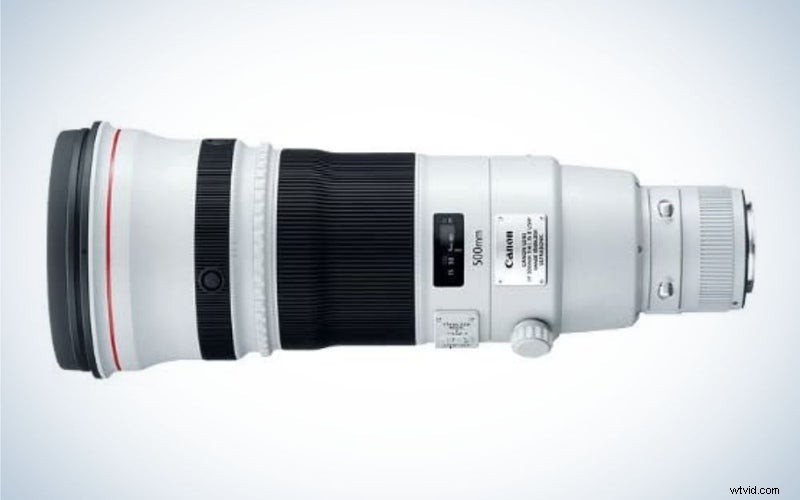
Why it made the cut: A premium prime that offers unmatched speed, clarity, and autofocus precision for the most demanding bird photographers.
Key features:
- Maximum aperture: f/4.0
- Weight: 7.02 lb
- Filter size: 52 mm (drop‑in)
- Minimum focusing distance: 12.14 ft
Pros
- Superior image stabilization with three modes
- Exceptional sharpness even wide open
- Fast, quiet autofocus
- Weather‑sealed build
Cons
- High price tag
Canon’s 500mm L‑series lens delivers extraordinary detail and color fidelity, thanks to advanced optics and coatings. Its fast autofocus, focus‑preset system, and focus limiter allow you to capture fast‑moving birds with confidence. The built‑in stabilization, combined with Sony‑style in‑lens control, ensures sharp images even at high frame rates or low light. While heavier, the balanced weight distribution makes handheld use more manageable.
Best Nikon: Nikon AF‑S FX NIKKOR 200‑500mm f/5.6E ED
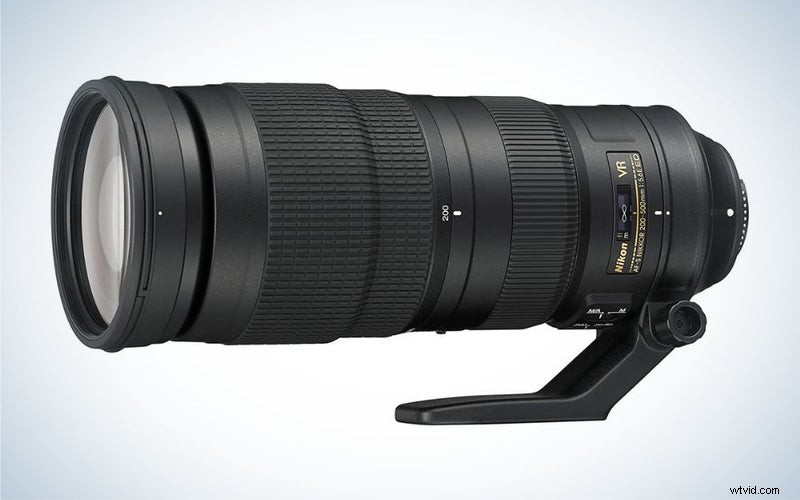
Why it made the cut: A budget‑friendly zoom that delivers a constant f/5.6 aperture, smooth focus, and solid performance for both APS‑C and full‑frame bodies.
Key features:
- Maximum aperture: f/5.6
- Weight: 5.07 lb
- Filter size: 95 mm
- Minimum focusing distance: 7.22 ft
Pros
- 4.5 stops of image stabilization
- Excellent value for the performance
- Compatible with teleconverters
- Smooth focus ring
Cons
- Slow zoom range transitions
- Heavier than entry‑level counterparts
At a price below $2,000, this lens offers a constant f/5.6 aperture and robust VR, making it a practical choice for hobbyists and pros alike. The focus limiter and quiet autofocus help keep birds calm, while the two VR modes (Normal & Sport) give flexibility for stationary or in‑flight subjects.
Best Nikon premium: Nikon AF‑S FX NIKKOR 600mm f/4E FL ED
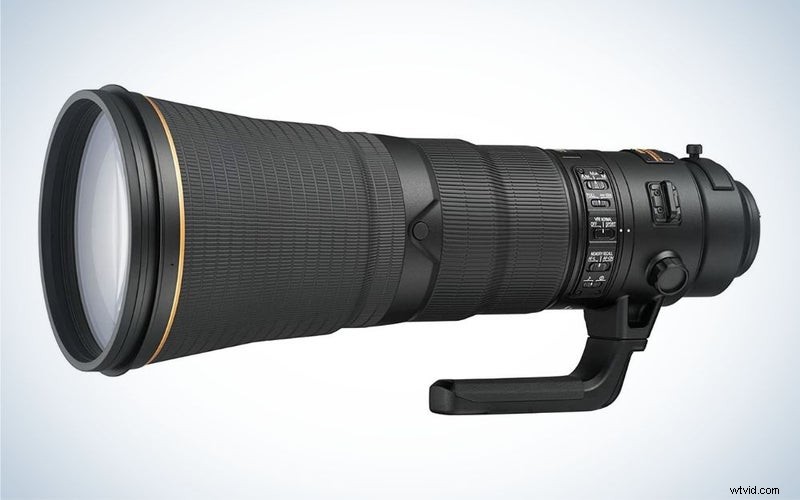
Why it made the cut: A high‑end super‑telephoto that combines unparalleled sharpness, fast autofocus, and robust low‑light performance.
Key features:
- Maximum aperture: f/4.0
- Weight: 8.4 lb
- Filter size: 40.5 mm (drop‑in)
- Minimum focusing distance: 14.44 ft
Pros
- Four stops of vibration reduction
- Quiet autofocus suitable for video
- Exceptional edge‑to‑edge sharpness
- Balanced weight distribution
Cons
- Heavier than most lenses
- Premium price
Released in 2015, the updated 600mm dramatically reduced weight and improved balance, making handheld use more feasible. The wide f/4 aperture and four‑stop VR allow for low‑light shooting at dawn and dusk, while the rapid autofocus captures fleeting moments. Coupled with high‑resolution bodies like the D850, it delivers razor‑sharp, cinematic imagery.
Best Sony: Sony FE 200‑600mm f/5.6‑6.3 G OSS
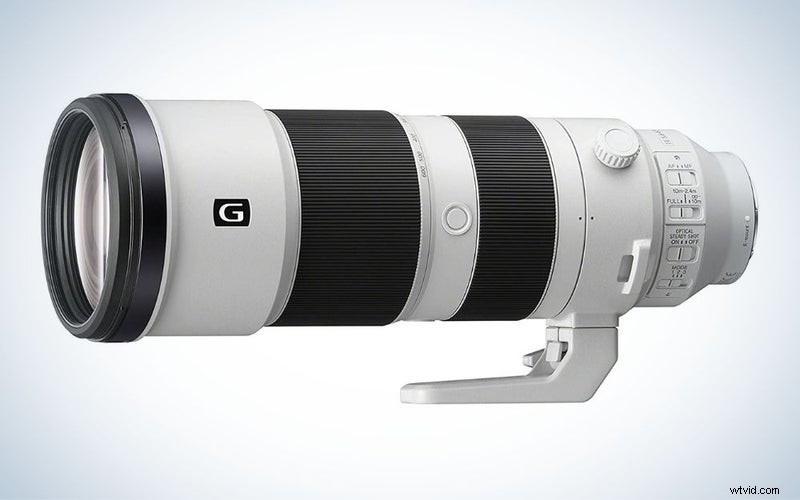
Why it made the cut: A versatile zoom that offers an impressive 600mm reach, integrated OSS, and Sony’s renowned autofocus performance.
Key features:
- Maximum aperture: f/5.6‑6.3
- Weight: 4.65 lb
- Filter size: 95 mm
- Minimum focusing distance: 7.87 ft
Pros
- Extensive zoom range
- Internal zoom mechanism
- Weather‑sealed construction
- Fast, accurate autofocus
Cons
- No full‑time manual focus override
Launched in 2019, this lens provides 600mm reach without the need for expensive teleconverters. The internal zoom keeps the barrel length constant, simplifying handling. OSS adds an extra layer of stability, making it suitable for low‑light situations despite the narrower aperture. The autofocus is nearly silent, an advantage for wildlife shooting.
Best Sony premium: Sony FE 400mm f/2.8 GM OSS Lens
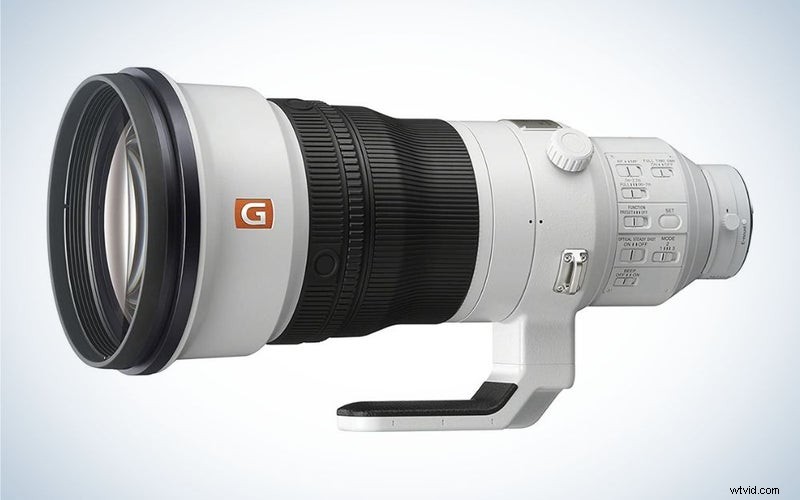
Why it made the cut: A high‑performance prime that delivers a fast f/2.8 aperture, exceptional sharpness, and robust stabilization for challenging conditions.
Key features:
- Maximum aperture: f/2.8
- Weight: 6.38 lb
- Filter size: 40.5 mm (drop‑in)
- Minimum focusing distance: 8.86 ft
Pros
- Fast f/2.8 aperture for low light
- Excellent sharpness and bokeh
- Advanced autofocus with three stabilization modes
- Fully weather‑sealed
Cons
- Higher price
Although it has a shorter focal length than some super‑telephoto options, the 400mm GM lens excels in detail and background blur. Its three‑mode OSS, combined with in‑body stabilization, ensures sharp images even in tight situations. The magnesium‑alloy body and weather sealing make it suitable for rugged fieldwork.
Best Fujifilm: Fujifilm XF 100‑400mm f/4.5‑5.6 R LM OIS WR Lens
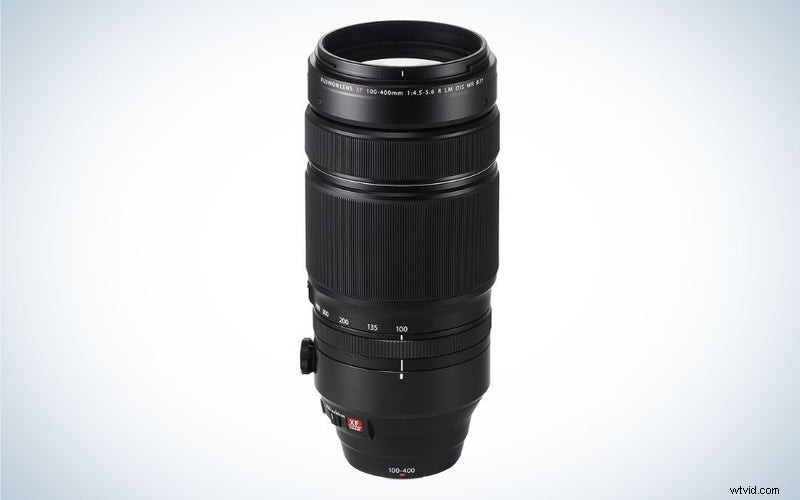
Why it made the cut: A lightweight, weather‑sealed zoom that delivers 152‑609mm full‑frame equivalent focal length on APS‑C bodies.
Key features:
- Maximum aperture: f/4.5‑5.6
- Weight: 3.03 lb
- Filter size: 77 mm
- Minimum focusing distance: 5.74 ft
Pros
- Lightweight for the class
- Five stops of stabilization
- Weather‑sealed design
- Quieter autofocus
Cons
- Some softness at full zoom and wide aperture
Introduced in 2016, this lens remains Fujifilm’s longest zoom. Its rugged build features 13 weather seals and cold‑temperature tolerance, making it reliable in harsh environments. The twin‑motor autofocus is fast, but the focus‑by‑wire design may require an adjustment for users accustomed to tactile rings. Overall, the image quality is sharp, with minor softness that can be mitigated by stopping down.
Best Micro Four‑Thirds: Olympus M.Zuiko Digital ED 300mm f/4 IS PRO
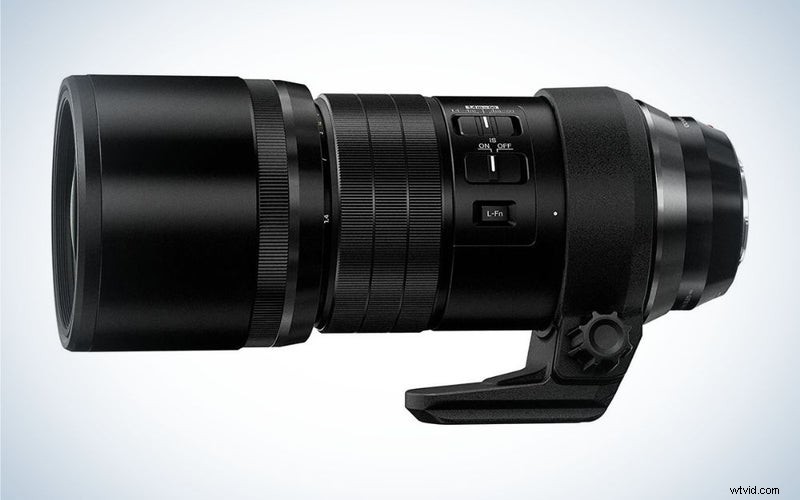
Why it made the cut: An exceptionally rugged, lightweight super‑telephoto that offers six stops of stabilization when paired with in‑camera features.
Key features:
- Maximum aperture: f/4.0
- Weight: 2.8 lb
- Filter size: 77 mm
- Minimum focusing distance: 4.59 ft
Pros
- High durability with 17 weather seals
- Six stops of IS (with camera support)
- Precise autofocus
- Lightweight design
Cons
- Higher price point
Built for Olympus’s adventurer lineup, this 300mm f/4 lens delivers a full‑frame equivalent of 600mm. Its rugged construction and integrated IS make it ideal for remote or low‑light shoots. The focus limiter and minimal focus distance of 4.59 ft allow for detailed close‑up shots of feathered subjects.
Best Budget: Sigma 150‑600mm 5‑6.3 Contemporary DG OS HSM
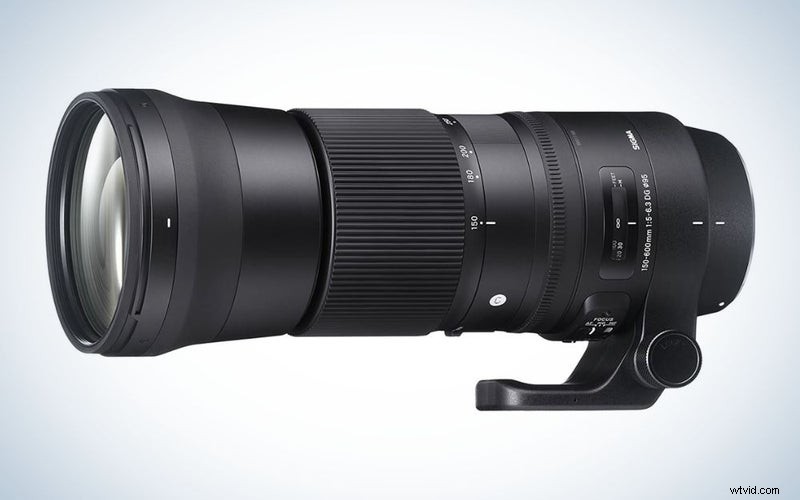
Why it made the cut: A cost‑effective zoom that offers a versatile focal range, solid stabilization, and respectable sharpness for entry‑level shooters.
Key features:
- Maximum aperture: f/5.0‑6.3
- Weight: 4.03 lb
- Filter size: 95 mm
- Minimum focusing distance: 9.19 ft
Pros
- Affordability
- Wide zoom range suitable for birds and landscapes
- Good image stabilization
- Sharp images overall
Cons
- Not fully weather‑sealed
- Visible chromatic aberration in some frames
For photographers just starting out or those who want to keep costs low, this Sigma lens delivers impressive performance. The two‑mode stabilization and focus limiter help maintain sharpness, while the optical design offers respectable detail across the zoom range. Minor chromatic aberration can be corrected in post‑processing.
Prime or Zoom Lens
Prime lenses offer a single focal length with typically higher optical quality, whereas zooms provide flexibility and convenience. Premium teleports often use prime optics for maximum sharpness and speed, while zooms remain more affordable and versatile for travel or rapid composition changes.
Focal Length
Bird photography demands a telephoto reach of 300–500mm for most scenarios, with 600mm or more required for larger or more distant subjects. Tele‑extenders can extend reach but may reduce aperture and optical performance.
Focusing Speed
Fast autofocus is essential for capturing sudden movements. While manufacturers rarely publish specific speed metrics, high‑end motors and advanced algorithms enable quick, accurate focus on most modern bodies.
Aperture
Ultra‑telephoto lenses typically feature f/5.6 or narrower apertures. A wider maximum aperture (e.g., f/4 or f/2.8) benefits low‑light shooting and enhances background separation, but is less common at longer focal lengths.
Weight
Long‑telephoto lenses are inherently heavier, but selecting a lighter model can reduce fatigue on extended trips.
FAQs
Q: What lenses do bird photographers use?
Bird photographers rely on ultra‑telephoto lenses—typically 300mm and above—to capture subjects without intruding on their natural behavior.
Q: What size lens is best for bird photography?
A focal length between 300mm and 500mm works well for most situations; 600mm is advisable for larger or more distant birds.
Q: Is 300mm enough for bird photography?
300mm is the minimum viable reach. It suffices for calm, close‑to‑ground birds but may fall short in high‑flight or densely vegetated scenes.
Q: What is the best shutter speed for birds?
A minimum of 1/1000s freezes motion. Faster speeds are preferable for high‑flight or rapid subjects.
Final Thoughts on the Best Lenses for Bird Photography
Regardless of your camera system, a well‑chosen lens is the cornerstone of successful bird photography. By aligning your budget, focal‑length needs, and shooting environment, you can select a lens that delivers sharp images, reliable autofocus, and enduring durability.