
Imagine a time before selfies, before the internet, before the convenience of modern digital video. In that era, filmmakers relied on bulky 16mm cameras, and storytelling required a complex workflow that involved projecting film, recording audio on magnetic tape, and then re‑filming the projection to broadcast the story.
To overcome the logistical challenges of syncing audio and visual elements, studios introduced a second projector to show supplementary footage—this gave birth to the concept of B‑roll. Though technology has evolved dramatically, B‑roll remains a vital storytelling tool across news, documentaries, advertisements, and social media videos.
What Is B‑Roll?
In film and video production, B‑roll refers to supplementary footage that complements the primary narrative (the A‑roll). While the A‑roll carries the core message, B‑roll enriches the story by adding context, depth, and visual interest.
Typical B‑roll categories include:
1. Undirected On‑Site Footage
These are shots captured directly at the location that support the main narrative. For example, a testimonial set in Liverpool City Centre might feature B‑roll of commuters walking the streets to establish the setting before the interview begins.
2. Stock Footage
Pre‑recorded clips available through stock libraries can quickly fill narrative gaps. While many platforms charge a licensing fee, free options are also available. Stock footage is especially useful when you need to illustrate abstract concepts or reinforce key points.
3. Establishing Shots
Establishing shots anchor the viewer in time and place. Think of sweeping views of a landmark—these shots orient the audience and create atmosphere before the story unfolds.
A‑Roll vs. B‑Roll
The primary distinction is purpose: A‑roll is the core story; B‑roll is supplemental. In practice, A‑roll demands meticulous attention to lighting, sound, and framing. B‑roll offers more creative freedom—audio can be omitted, and rough framing can be corrected in post‑production.
Why not rely solely on A‑roll? A video comprised exclusively of A‑roll can feel static and monotonous. B‑roll breaks pacing, reinforces credibility, and allows you to mask continuity errors or missing shots.
How to Shoot Effective B‑Roll
1. Integrate B‑Roll Into Your Plan
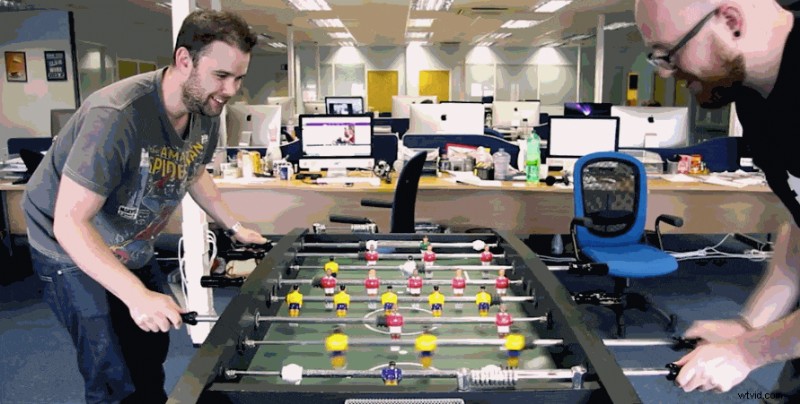
Review your script or shot list and earmark scenes that would benefit from supplementary footage. For instance, a testimonial filmed in an office may call for exterior shots of the building or interior shots of the break room.
2. Use Diverse Angles
Capture the same subject from multiple perspectives—high, low, bird’s‑eye, and tilted shots—to provide editors with a versatile palette.
3. Shoot More Than You Need
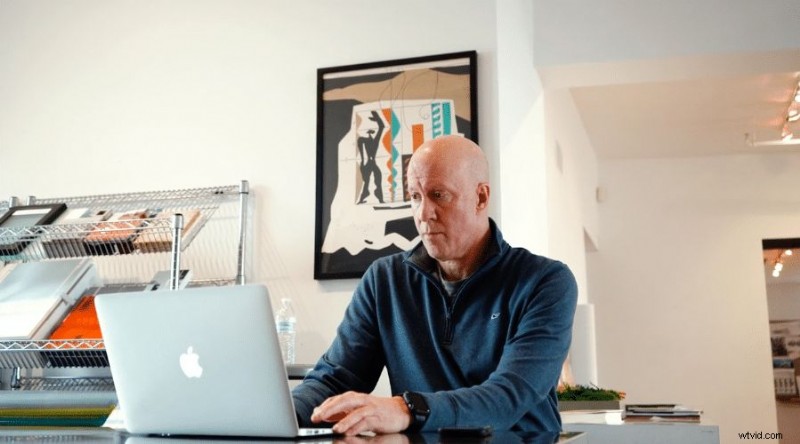
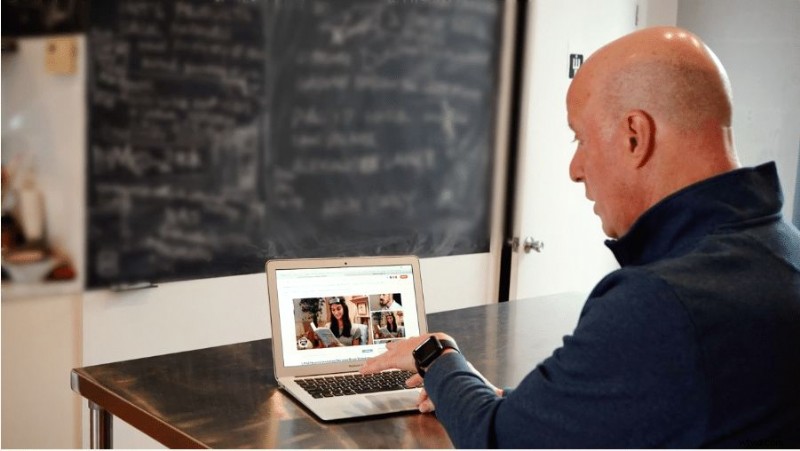
Keep the camera rolling when possible. You may capture spontaneous moments or decide to incorporate a time‑lapse that adds dynamic value to the final edit.
Best Use Cases for B‑Roll
1. Testimonials
Research shows that two out of three viewers are more likely to purchase after watching a testimonial video. B‑roll helps establish context, build authority, and illustrate the product’s impact.

2. Advertisements
Ads thrive on rapid pacing and visual intrigue. B‑roll—often brief, high‑energy clips—keeps viewers engaged and complements the main narrative.
Example: A Doritos commercial intersperses quick B‑roll cuts that maintain momentum and support the call‑to‑action.
3. Documentaries
Documentaries use B‑roll to set scenes, reinforce storytelling authority, and showcase real‑world evidence.
Example: Netflix’s “Our Planet” blends B‑roll of natural landscapes with narrative voice‑over to emphasize environmental themes.
4. News Reports
News anchors rely on B‑roll to break the monotony of talking heads and provide visual evidence, enhancing credibility.
Example: A Food Insider segment uses B‑roll of food preparation to illustrate the story’s claims.
5. Film & Television
In scripted media, B‑roll establishes mood, fixes continuity errors, and offers cutaway shots that enrich the visual language.
Classic example: “Friends” frequently cuts to New York City streets to anchor scenes in the city’s iconic environment.
Final Thoughts
B‑roll may appear simple, but its strategic use can transform ordinary footage into compelling narratives. Whether you’re crafting a testimonial, an ad, a documentary, or a news segment, thoughtfully planned B‑roll elevates your production’s quality and audience engagement.
Every business can benefit from a strong testimonial video—start building trust, authority, and conversion with effective B‑roll.
Explore our video testimonial services to learn how to harness B‑roll for your brand.