
Last updated on 1st December 2023
In today’s highly competitive marketplace, brand loyalty is rare. Yet the rewards of cultivating loyal customers are immense.
According to InMoment, 61 % of loyal customers will actively seek out their favourite brands, and a comparable 60 % purchase from them more frequently.
This underscores the critical role of customer onboarding.
Onboarding equips customers with the knowledge and confidence to maximize your product or service. A thorough onboarding experience—and the ongoing support that follows—dramatically increases the likelihood of long‑term engagement.
How Onboarding Optimises User Retention – 5 Key Statistics
In 2020, we surveyed 216 customers to understand how onboarding shapes their experience and identify areas for improvement.
Here are the most compelling findings and what they mean for your business.
1. Over 90 % of customers feel companies could improve onboarding
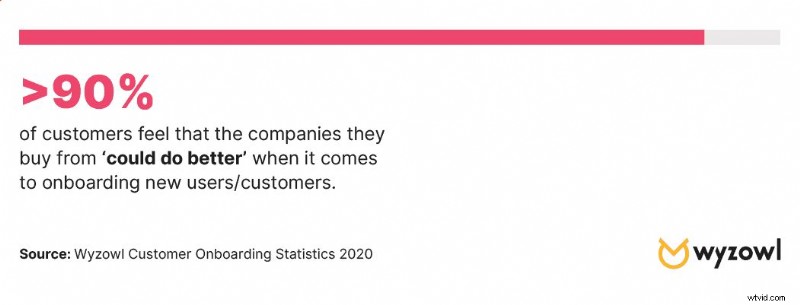
The most striking insight is that while 90 % of customers find onboarding lacking, they still continue to buy from those brands. This explains why 44 % of companies prioritize acquisition over retention, yet the opportunity to stand out lies in superior onboarding.
A robust onboarding program sets you apart, reduces churn, and eliminates the cost premium of acquiring new customers—often 5–25 times higher than retaining existing ones.
Effective onboarding starts with clear expectation management. Communicate your product’s unique value and streamline the journey to proficiency.
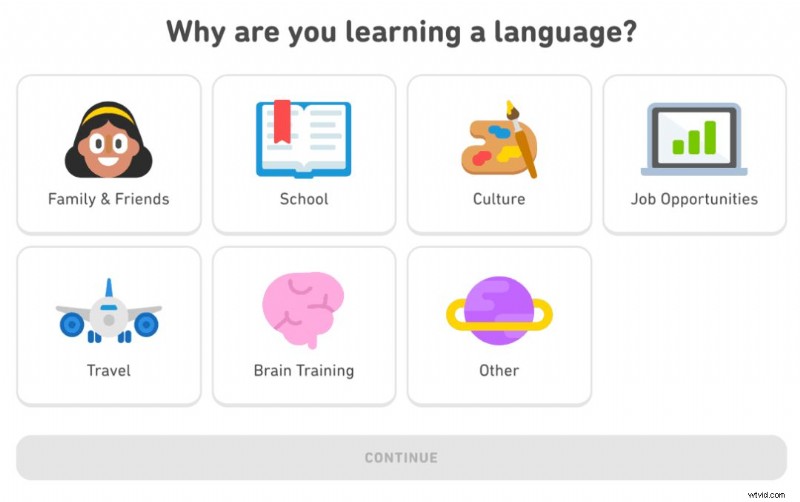
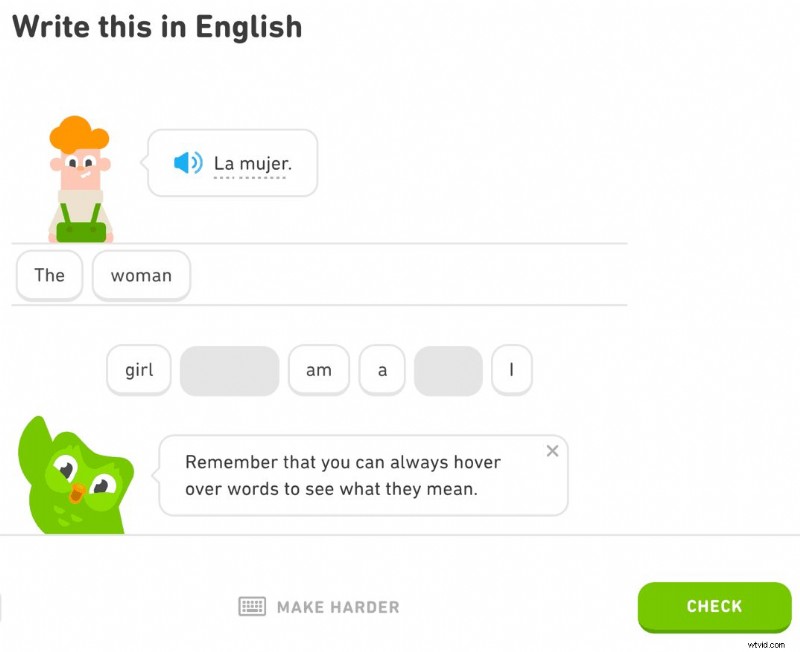
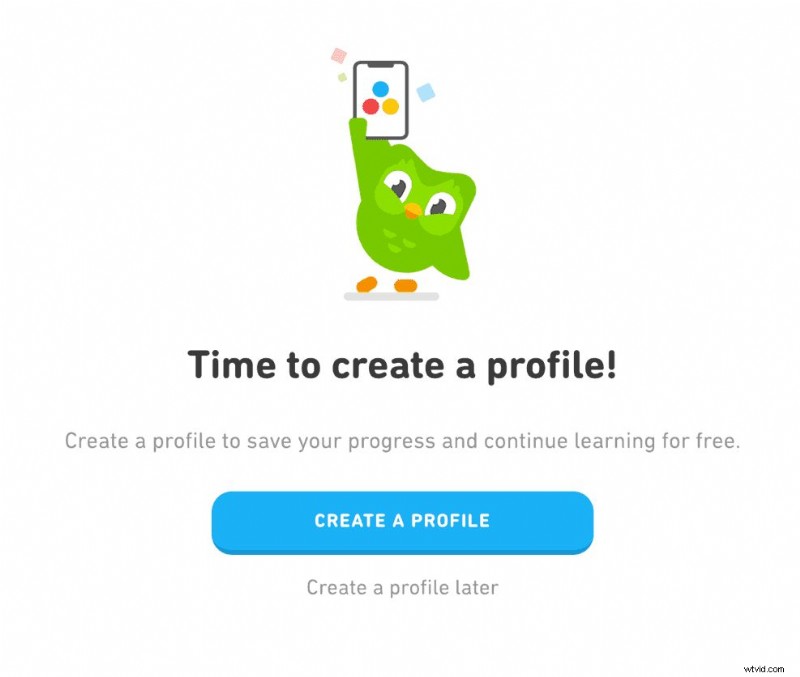
Duolingo exemplifies this approach. Their gradual engagement model reveals features before registration, personalizes goals, and rewards early milestones with points, gifts, and streak bonuses—all while keeping the process fun and free of hard sales.

2. 86 % of people say they’d stay loyal if a business invests in post‑purchase onboarding
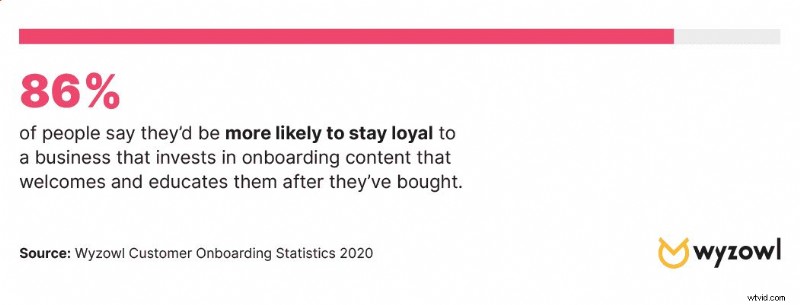
Our research shows a strong willingness to reward well‑executed onboarding with loyalty. Retention is a relationship that requires ongoing nurturing—regular check‑ins, problem resolution, and education about new features.
Data from Groove HQ indicates that 40–60 % of software users never log in after the first open. Bridging the gap between sign‑up and first success with tutorials, support, and encouragement is essential.
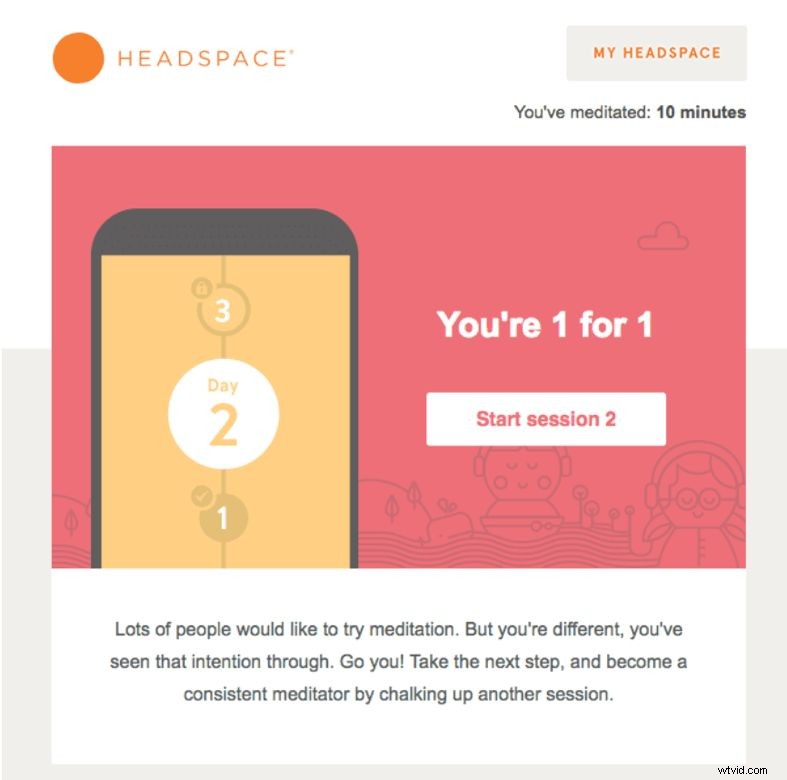
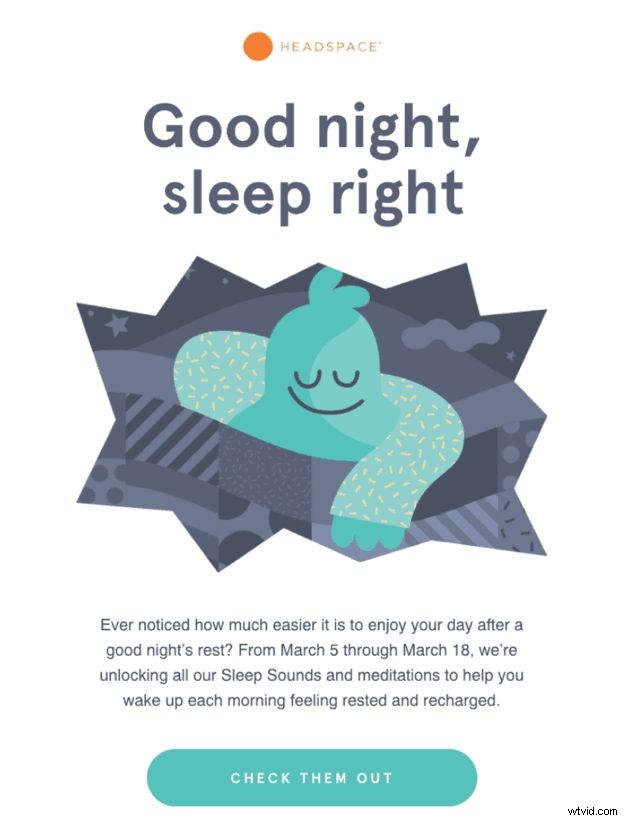
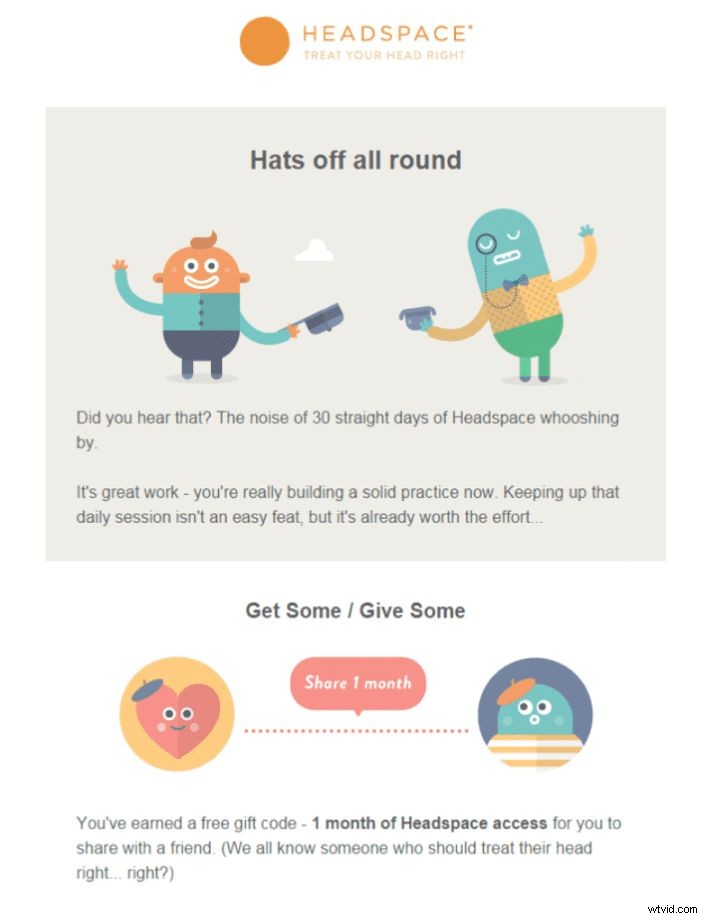
Headspace demonstrates this with frequent follow‑ups and incentives. By day 66—the average time to form a new habit—it checks in to keep users motivated, offers exclusive unlocks, and introduces referral incentives once users have a solid 30‑day engagement.
3. 8 in 10 users delete an app because they don’t know how to use it
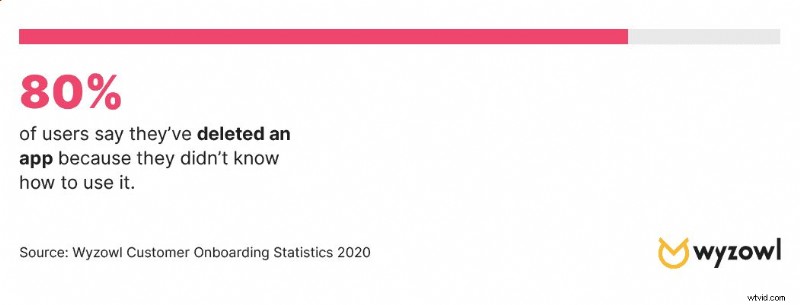
AppsFlyer reports that nearly half of all apps are uninstalled within 30 days due to usability issues. A clear, interactive onboarding experience can reverse this trend.
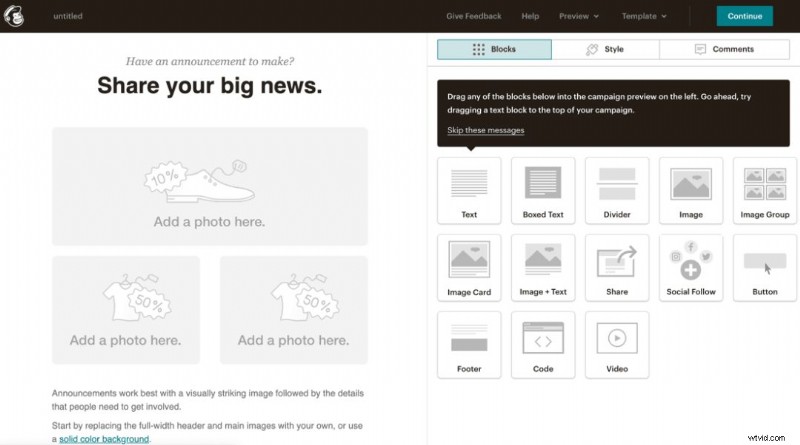
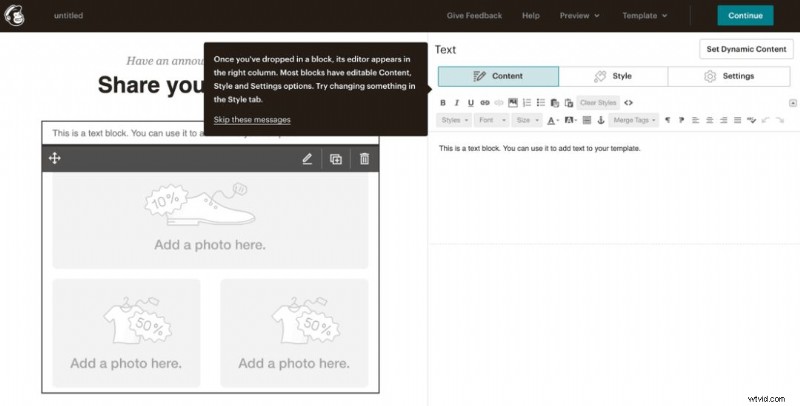
Tools like setup wizards and contextual “empty‑state” help eliminate friction. Mailchimp illustrates best practice by pairing intuitive UX with concise tutorials and pop‑up tip banners that guide users without overwhelming them.
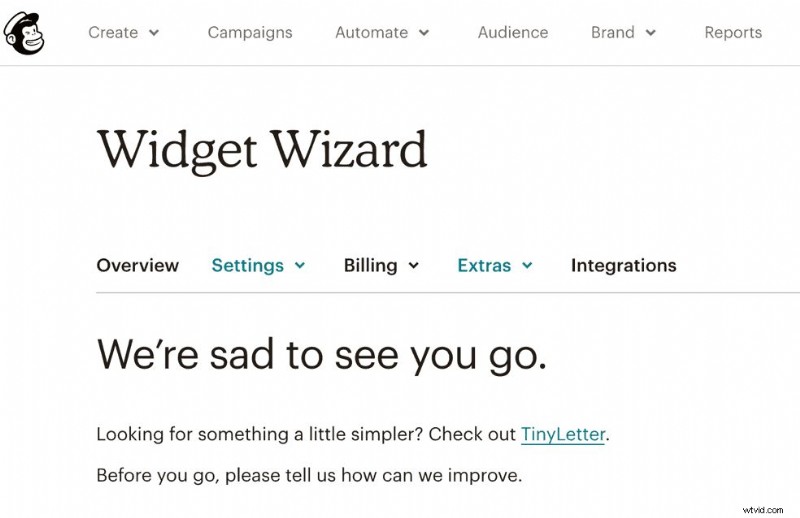
Gathering feedback from those who leave is vital. Mailchimp offers a simplified sibling platform, TinyLetter, as an alternative and actively solicits reasons for churn to refine onboarding.
4. 55 % of people return a product because they didn’t understand how to use it
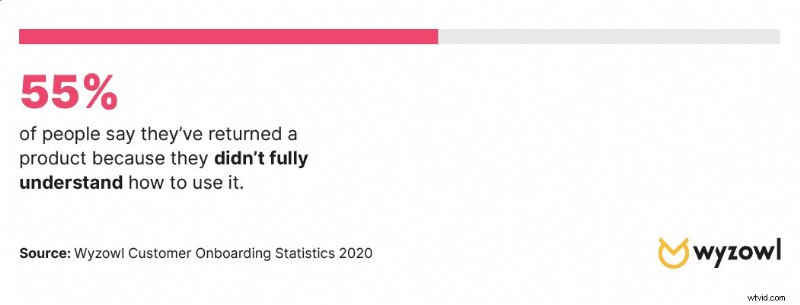
Customer tolerance for complexity is low. Providing clear, accessible learning resources—FAQs, blog posts, and email tips—reduces returns, refunds, and support costs.
5. 63 % of customers consider onboarding support when deciding to purchase
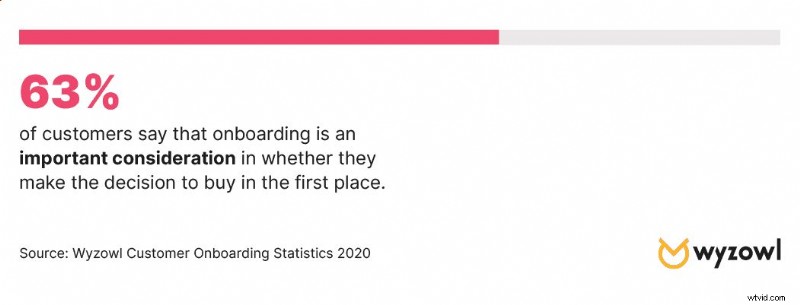
Social proof, such as reviews and case studies, can reinforce the value of post‑sale support. HubSpot notes that 55 % of consumers trust brands less than before, making strong onboarding even more critical.
Use testimonials, case‑study videos, and customer‑generated content to showcase how onboarding has turned users into advocates.
Hootsuite’s video featuring Herschel Supply Co. demonstrates how ongoing support can turn a fledgling startup into a global brand.
Summary
Our research confirms that only a minority of brands master onboarding. Those that invest in continuous support see higher retention, larger margins, and sustained growth.