
Aesthetic photography transcends mere technical proficiency; it’s about curating images that resonate visually and emotionally. These photographs stand out by commanding attention, exuding boldness, and delivering visual harmony.
In this guide, we’ll explore the essence of aesthetic photography, dissect the building blocks that shape a photographer’s aesthetic, and equip you with practical techniques to elevate your images.
What Are Aesthetic Pictures?
The term “aesthetic” derives from the study of beauty. Aesthetic images are, in essence, works of art that delight the eye. They possess a captivating quality that satisfies viewers on a deeper level.
Photographers employ a blend of compositional principles—such as symmetry, balance, and leading lines—alongside color theory to craft images that feel cohesive and harmonious.
In short, aesthetic photography is the art of marrying technical skill with design sensibility to produce images that are both beautiful and memorable.
Aesthetic vs. Style
While an artist’s style describes the tools and processes they favor, their aesthetic reflects the visual signature that marks their work.
A style might involve using a particular lens or shooting technique, whereas an aesthetic is manifested through color palettes, composition choices, and thematic consistency.
For instance, Jovana Rikalo’s Instagram feed showcases a distinctive fantasy aesthetic—elaborate costumes, focused color themes, and meticulous staging—all of which stem from her chosen style.
Why a Strong Photography Aesthetic Matters
Developing a recognizable aesthetic turns your photographs into a personal brand. When clients encounter your images, they instantly associate them with you, fostering trust and repeat business.
For professionals, brand recognition is a critical asset—your aesthetic becomes a promise of consistency and quality, attracting the right clients who appreciate your unique visual language.
Moreover, a clear aesthetic helps you articulate your niche, guiding you to projects that align with your artistic vision.
12 Aesthetic Photography Tips
We’ve organized the advice into two categories: Tips for Creating Aesthetic Pictures and Tips for Developing a Personal Aesthetic.
- Tips for Creating Aesthetic Pictures
- Tips for Creating a Personal Aesthetic
Tips for Creating Aesthetic Pictures
Below are actionable strategies to produce images that embody aesthetic principles.
1. Keep Composition Simple
Avoid cluttering your frame. A clean, focused composition allows the viewer to absorb the image as a unified whole, rather than being distracted by extraneous details.
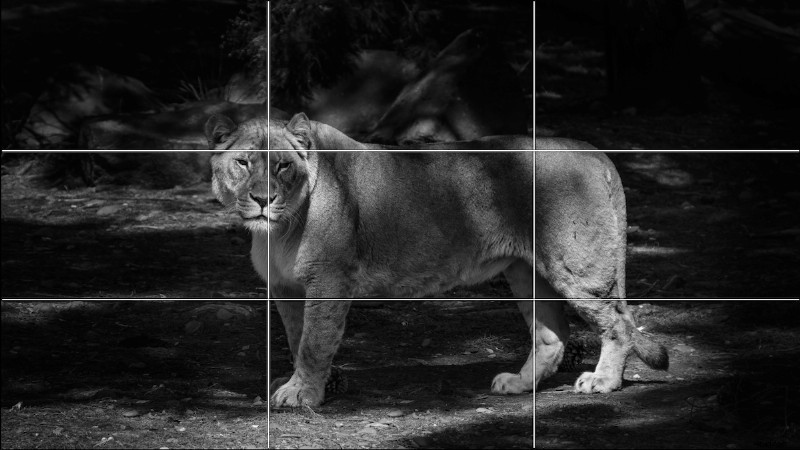
2. Employ the Rule of Thirds
By mentally dividing your frame into a 3×3 grid, you position key elements along the lines or intersections, creating balance and guiding the eye.
Many cameras offer a grid overlay; practice with it to internalize the technique before disabling it.
3. Guide the Eye with Leading Lines
Natural or man‑made lines—such as railings, roads, or architectural details—direct the viewer’s gaze toward focal points, adding depth and narrative.
Prefer smooth, continuous lines to evoke serenity; abrupt or jagged lines can introduce tension.

Shot with a Sony a7C full‑frame mirrorless. 60 mm, f/6.3, 1/250 s, ISO 250. Photo by Dibakar Roy
4. Harness Symmetry
Symmetrical compositions resonate instinctively with viewers, conveying order and balance. Seek vertical or horizontal symmetry in architecture, reflections, or repetitive patterns.
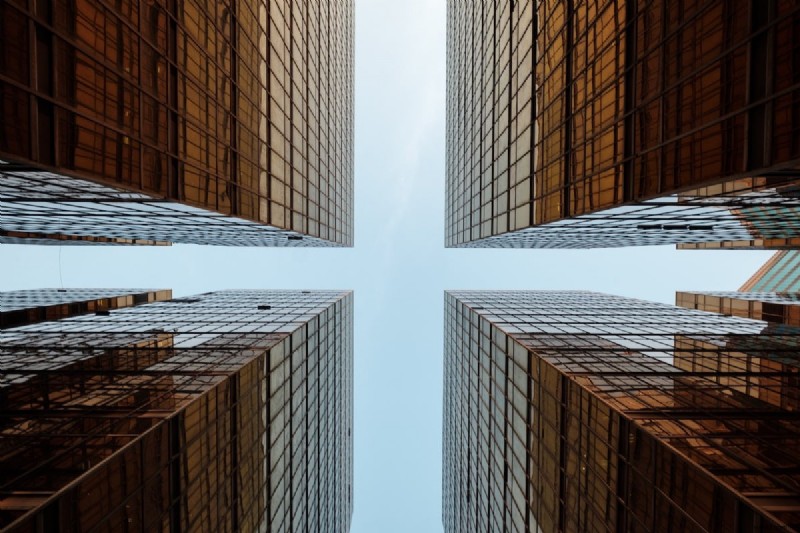
Shot with a Fujifilm X‑T2. 10 mm, f/8, 1/45 s, ISO 200. Photo by The Creativv
5. Use Complementary Colors
Color theory underpins effective aesthetics. Pairing complementary hues—such as red and green or blue and yellow—creates striking contrast and visual interest.
Triadic or analogous schemes also yield harmonious palettes; experiment to find what best supports your subject.
6. Highlight a Prominent Subject
Apply the Gestalt principle of figure‑to‑ground: ensure your subject stands out against its background. A distinct foreground element anchors the composition and eases viewer focus.

Shot with a Sony a7 III. 42 mm, f/5.6, 1/250 s, ISO 100. Photo by Ilham Putra
7. Employ a Shallow Depth of Field
By narrowing the depth of field, you isolate the subject, creating a pleasing bokeh that softens the background and emphasizes the focal point.
This technique is especially effective in portraiture, imparting a dreamy quality that captures attention.
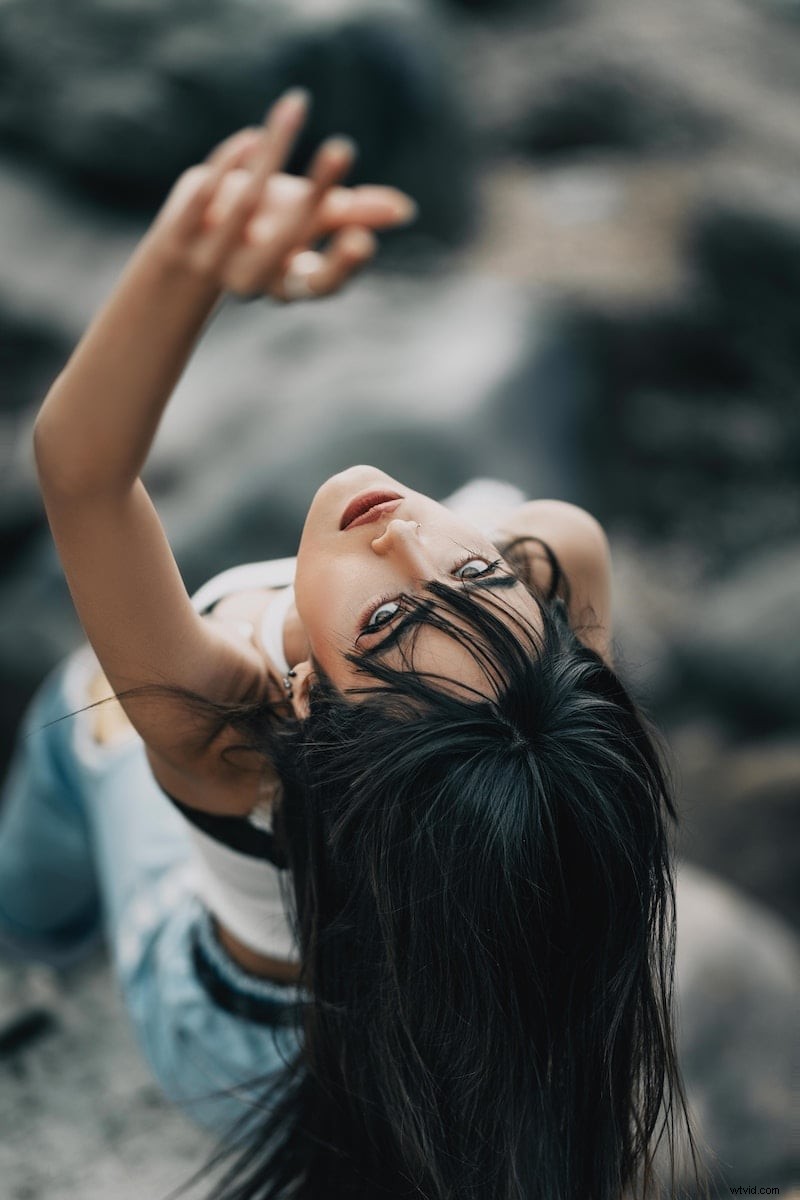
Shot with a Sony a7R IV. 85 mm, f/1.4, 1/100 s, ISO 100. Photo by Amir Rostami
8. Find Rhythm and Repetition
Recurrent shapes or patterns establish visual rhythm. Whether it’s rows of trees, architectural columns, or repeating textures, rhythm adds a musicality that enriches the aesthetic.
Tips for Creating a Personal Aesthetic
Building a distinct aesthetic requires deliberate practice across all facets of your workflow.
9. Develop Your Technique
Experiment during early stages, then refine. Master the settings that consistently deliver the look you desire—whether you shoot with a DSLR, mirrorless, or film camera.
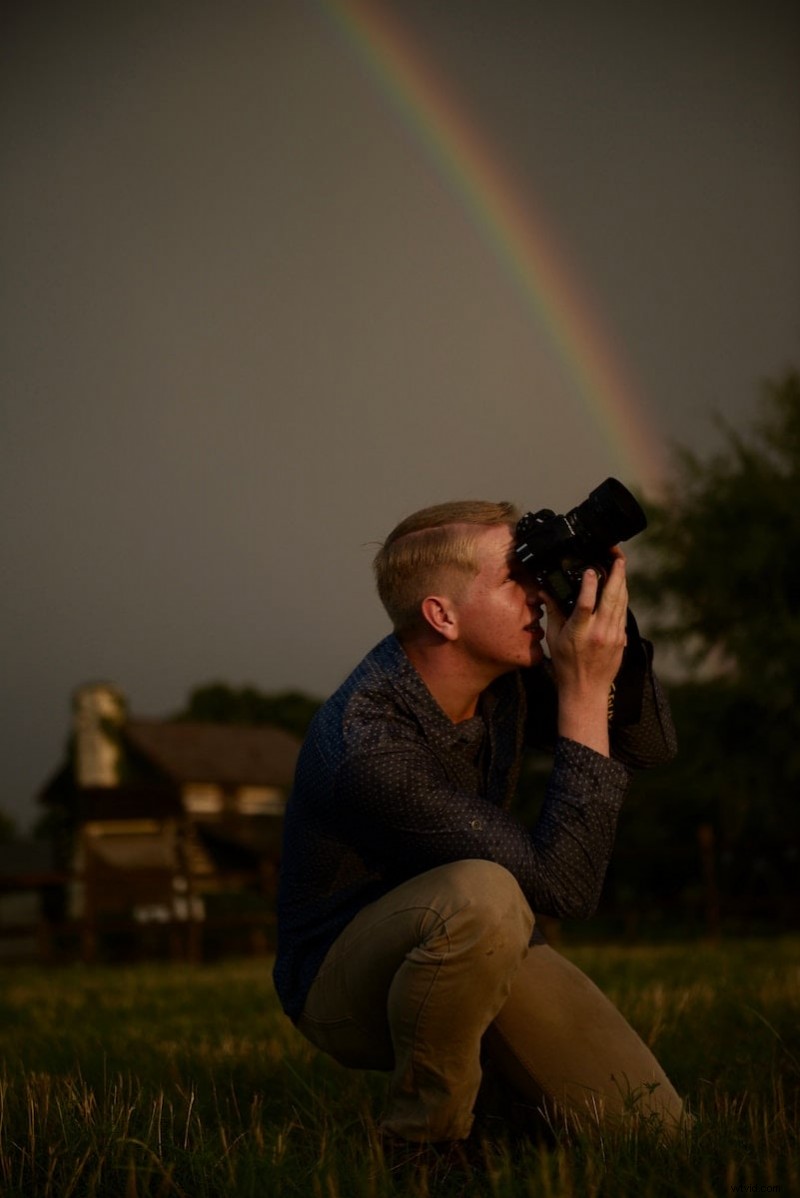
Shot with a Nikon D800. 70 mm, f/2.8, 1/1600 s, ISO 640. Photo by Stephen Wheeler
10. Be Consistent in Your Editing Process
Consistency in post‑processing cements your signature style. Whether you prefer a minimalist approach or a more dramatic edit, apply the same workflow across images.
Tools like Adobe Lightroom, Photoshop, or Luminar Neo can support your style—use presets or custom adjustments to streamline the process.

Photo by Glenn Carstens‑Peters
11. Choose One Style of Lighting
Lighting is foundational. Decide whether natural light, golden hour, studio flash, or nocturnal neon will define your aesthetic, and commit to that choice.
Examples: Rosie Matheson favors soft daylight in portraits; Louis Dazy captures cinematic neon at night; Carianne Older embraces high‑contrast flash for a kitschy glam look.
12. Evaluate Your Body of Work
Periodically step back and review your portfolio as a whole. Consistency across images reinforces your aesthetic; stray pieces can dilute your brand.
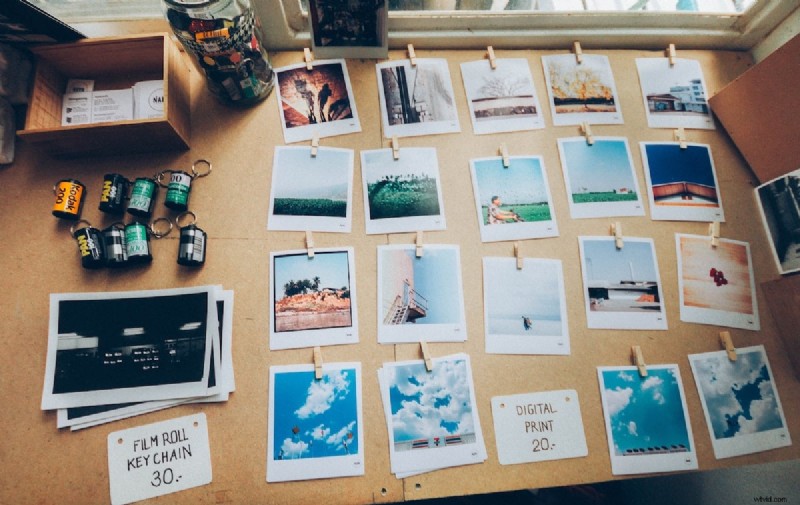
Photo by Soragrit Wongsa
13. Consider Your Display Platform
How you present your work matters. For Instagram, square images maximize engagement; on a personal website, you have more flexibility with aspect ratios.
Prints require careful consideration of size, paper type, and framing to preserve the integrity of your aesthetic.
Conclusion
Creating aesthetic photographs is a blend of disciplined composition, intentional color, and a consistent visual narrative. By mastering the techniques above and cultivating a unique aesthetic, you transform every image into a signature piece of art.
Ready to refine your skills? Explore our Effortless Editing course to master professional Lightroom techniques that elevate every shot.