
Before you book your first wedding, build your website, or post a single photo on Instagram, pause to audit the images you already own.
It isn’t about the shots you wish you had or the projects you plan for next month. It’s the body of work that lives in your hard drives, camera rolls, and folders from every shoot you’ve ever done.
What You Actually Have
Many new photographers discover they have more usable material than they realize—yet still not enough to showcase their true capabilities. Examine every piece: personal projects, secondary assignments (if you’re allowed to publish them), engagement sessions for friends, portraits, and any work where you controlled the light, the moment, and the final image.
Identify the fifty strongest images across this body of work. Don’t worry about variety yet—just pick those that are technically clean, emotionally resonant, and that you’d proudly show to a stranger.
Next, assess the gaps. If wedding photography is your goal, your portfolio must demonstrate proficiency in low‑light environments, capturing motion, and uncovering authentic moments. It should include ceremony coverage, reception highlights, portraits, and detail shots—enough to prove you understand the flow of a wedding day without listing every wedding you’ve shot.
What Clients Truly Want to See
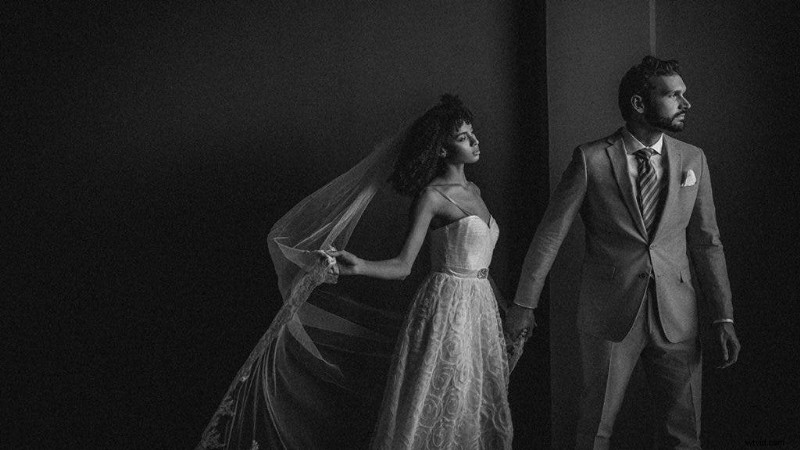
Couples look for images that reflect their own story. They want to see, "That could be us." This is why consistency matters more than sheer volume. A cohesive set of thirty images that share a distinct point of view will book more weddings than a sprawling gallery of two hundred stylistically disparate shots.
Clients also crave authenticity: real smiles, natural poses, and genuine moments between people who trust the photographer enough to let go of the camera. A portfolio full of technically perfect yet emotionally sterile images signals a problem that must be addressed before marketing.
How to Get Work When You Have None
There’s no shortcut—growth comes from deliberate, purposeful effort.
Offer to second shoot established photographers in your market. Approach them with a professional email that includes a link to your best work. By working on real wedding days, you learn how an experienced photographer manages timelines, handles challenges, and communicates with clients and vendors—knowledge that can’t be found online.
Image Usage: Second shooting is often a paid role. The lead photographer owns the day’s images and may or may not grant usage rights. Treat each engagement as a learning opportunity and a relationship builder, not a portfolio source.
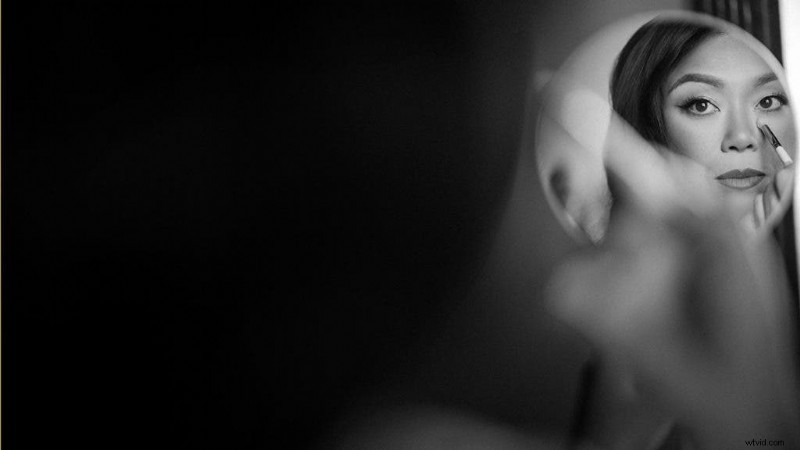
When you’re just starting, consider photographing friends, family, or coworkers who are engaged or married. This isn’t a charity—exchange your expertise for images that will populate your website and social channels. Obtain written permission for portfolio use and treat it as a professional transaction.
Reach out to stylists running themed shoots and ask to join. These sessions provide real lighting, props, and composition practice without a client’s agenda.
All of this takes time, but each step builds skill, reputation, and a robust portfolio.
Building Your Website
Your site is your digital storefront and first impression. Keep it simple, fast, and visually driven. The gallery should front‑load with your top ten to fifteen images; avoid overloading visitors with everything you’ve shot.
The about page carries significant weight. Couples want to know the person behind the camera. Write conversationally: why you’re passionate about wedding photography, what they can expect, and how you will contribute to their day. Authenticity beats a polished press release.
Social Media for Beginners

Instagram remains the primary platform for wedding clients. Focus on quality over quantity—three strong images per week outshine a flood of mediocre shots. Every post should showcase work you’re proud of and align with the vision you want to present.
Share behind‑the‑scenes moments, light discoveries, and candid glimpses to build anticipation. Consistent, thoughtful posting establishes a long‑term relationship with potential clients.
Don’t wait for a “perfect” portfolio before you start posting. Begin with what you have, grow it, and let your feed evolve into a narrative of growth and vision.
The Never‑Ending Portfolio
A great portfolio is a living document. The best photographers continually add, edit, and reassess to ensure it reflects their current goals and style. This discipline keeps the portfolio fresh and relevant.
Start with what you have. Be honest about what you need. Then go get it.

Susan Stripling
Susan Stripling has photographed weddings, portraits, and theater for over twenty years. Her work has appeared in Inside Weddings, Martha Stewart Weddings, Grace Ormonde Wedding Style, Modern Bride, Town and Country Weddings, the New York Times, New York Post, Rangerfinder, PDN, and in advertising for Nikon USA, Epson, and Canon USA.