
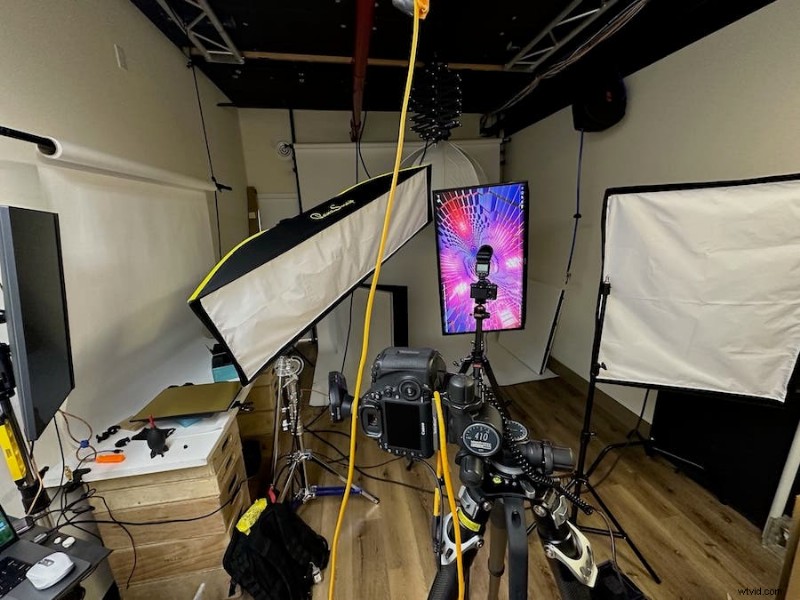
In a compact, windowless studio on Adorama’s third floor in New York City, product photographer Josipth “G” Gaviria turns ordinary objects into engaging visual stories. With a setup he calls "clean chaos," he blends softboxes, strobes, modifiers, and custom 3‑D‑printed supports to create the perfect backdrop for every shoot.
During a recent session, he suspended a lavender scuba mask on a nearly invisible string to maintain buoyancy and shape. The resulting image appears crisp, dimensional, and ready for e‑commerce—all while the string is removed in post‑production. It’s a subtle trick that keeps the illusion intact.
Day in the Life
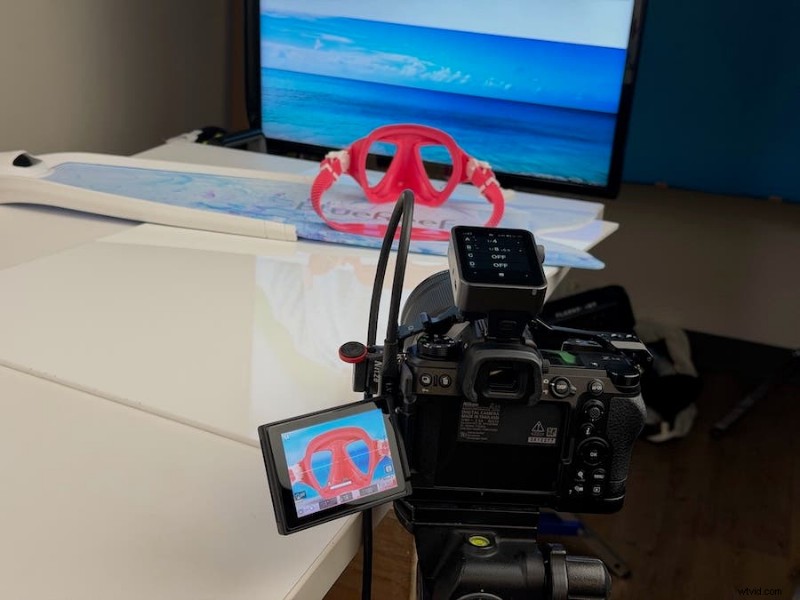
Before joining Adorama, Gaviria honed his speed and adaptability in a high‑volume e‑commerce warehouse, photographing hundreds of items daily—from luxury handbags to satellite dishes. That experience ingrained a core principle that still guides him: eliminate visual noise to tell the product’s story clearly and efficiently.
Daily Workflow and Organization
Each morning, Gaviria reviews his queue in Jira, noting shoot schedules and deadlines. This pre‑shoot checklist gives him a clear roadmap for the day, whether he’s tackling a single complex item or managing ten variants.
Shooting Strategy and Consistency
He asks, "What does the customer need to know?" and designs each shot to answer that question. Consistency is key: six color variations of a kids’ scuba mask, for example, share identical angles and lighting to maintain a cohesive brand look across Adorama’s platforms.
Technical Execution
Gaviria builds images through focus stacking—combining multiple exposures with Helicon Focus and Capture One—to ensure every detail is sharp. Lighting ranges from two to five fixtures depending on the product’s complexity.
Product Photography Gear List
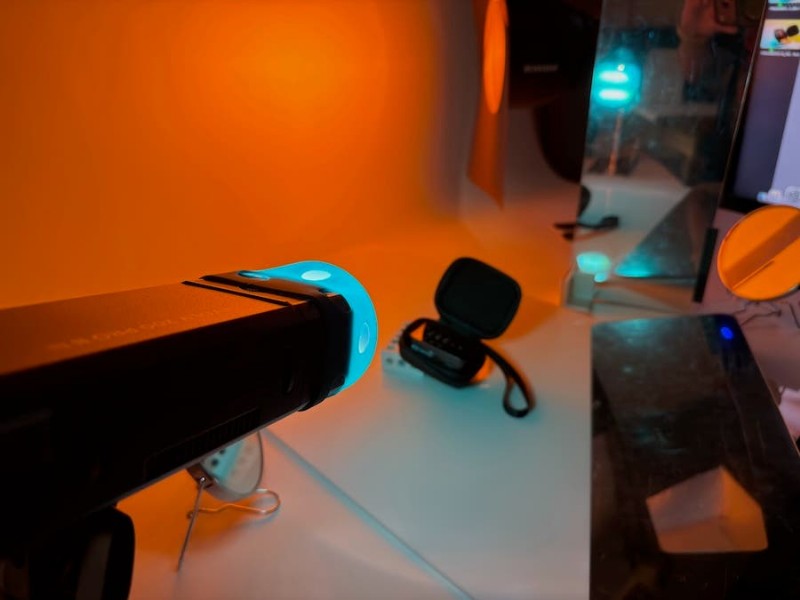
His streamlined kit includes:
- Cameras: Nikon Z6 III, Sony A1
- Lenses: Nikon 105 mm f/2.8 Macro, Nikon 24‑70 mm II f/2.8, Canon TS‑E 135 mm f/4L Tilt‑Shift, Canon TS‑E 90 mm f/2.8 Tilt‑Shift, Canon TS‑E 45 mm f/2.8 Tilt‑Shift
- Lens Adaptors: Sigma MC‑11, Megadap ETZ21 Pro
- Lights: Flashpoint XPLOR Power 2400, XPLOR 600 II, XPLOR 200 II
- Tripods & Stands: YC Onion Pineta Peak, Studio Titan Side Kick, Flashpoint C‑stands, Combo Stands
- Boards: V‑FLAT WORLD Tabletop V‑Flat Small, V‑FLAT WORLD Light Cone
- Consumables: Tack it Puddy, SpiderWire Stealth Translucent Fishing Line, Gaffer Tape
- 3D Printer: Bambu Labs X2D & P2S
Cue the Lights
Lighting is where Gaviria’s vision takes shape. He skillfully uses foam boards, reflectors, flags, and highlights to sculpt depth and texture. Rather than eliminating reflections, he embraces them to add dimension. He recommends mixing hard and soft light and experimenting with negative fill to enhance contrast and shape.
Early Years and Inspiration
Growing up as a graffiti artist, Gaviria was influenced by WildStyle 3‑D lettering and the visual drama of B&W photography. Icons like Ansel Adams and Henri Cartier‑Bresson taught him contrast and white space, while comic books and film sharpened his sense of framing and lighting for commercial contexts.
The Nuts and Bolts: Capture to Completion
After shooting, Gaviria performs an initial review of color, exposure, and composition. He then hands the files to an editor who cleans backgrounds and removes distractions. His meticulous file naming and setup tracking maintain consistency across product variants.
He prefers the Nikon Z6 III with a 105 mm macro for detail work and a 24‑70 mm for versatility. While the camera is important, Gaviria emphasizes mastering light and interacting with the subject as the real drivers of quality.
For stability, he uses the YC Onion Pineta Peak with a Manfrotto 410 3‑Way head for quick adjustments, and the Studio Titan Side Kick for larger pieces.
Tips and Tricks
For aspiring product photographers: shoot everything you can. Everyday objects—soda bottles, cleaning sponges, toys—offer varied materials and lighting challenges that refine your skill set.
Always log your decisions: focal length, angle, lighting rationale, and how it communicates the product’s value. Gaviria typically shoots at f/16‑f/18 for deep focus and then applies focus stacking if necessary to deliver sharp, ready‑to‑edit files.
He advises starting with a single light, then layering additional lights to track their effect. Negative fill and subtle gradients can prevent flatness and add visual interest.
Final Thoughts
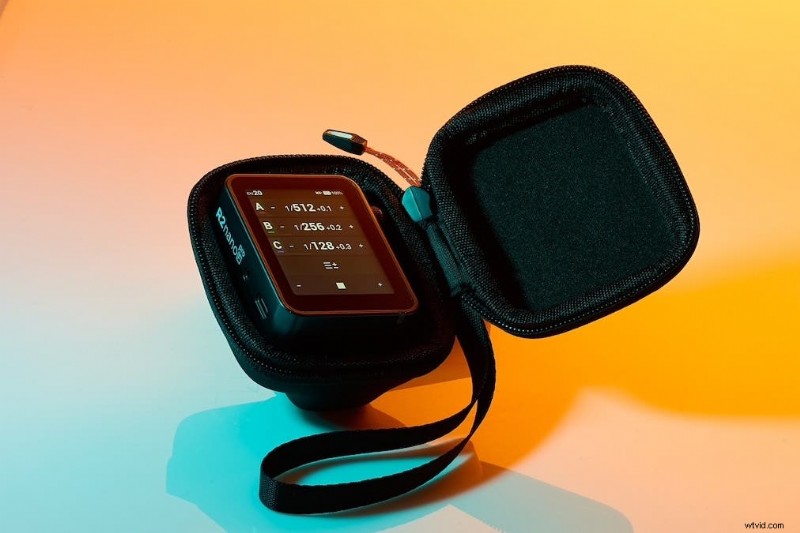
Gaviria’s approach is a blend of science and play. He tinker with Play‑Doh, Legos, sculpting putty, wood scraps, a 3‑D printer, strings, and magnets to rig any product. The result? Images that feel alive and engaging.
Explore more of Gaviria’s work on his website.

Jacqueline Tobin
Jacqueline Tobin began her career in 1986 as an editor and writer at Photo District News. She later led the 70‑year‑old photo brand Rangefinder as Editor‑in‑Chief for 12 years. Tobin authored two best‑selling photo business books and currently serves as Managing Editor at World’s Best Wedding Photos.