
Also known as a three‑quarters shot, a medium long shot captures the subject from the knees or mid‑thigh upward. This framing reveals how the character interacts with the surrounding environment. Commonly abbreviated as MLS on a shot list, it can feature one, two, or three actors.
Film historians refer to this framing as the “American shot” or “cowboy shot” because it became a staple of classic Westerns, positioning cowboys in confident, heroic poses. Today, it is also employed to expose a character’s inner state—whether tension, triumph, or vulnerability.
When to Use the Medium Long Shot
The medium long shot is versatile. Directors often use it as an establishing frame that sets the tone, or to highlight a character’s emotional arc or psychological evolution.

Scene from “Skyfall”
It allows you to communicate a subject’s relationship to the environment or to other characters. When a tighter focus is required, a medium close‑up is preferable—particularly in suspense or horror sequences.
Medium Long Shot Examples
Roger Deakins employed the medium long shot masterfully in “The Assassination of Jesse James by the Coward Robert Ford.” The image below functions as an establishing shot, placing the protagonist against a stark, dramatic backdrop.

Scene from “The Assassination of Jesse James by the Coward Robert Ford”
Mary Harron’s “American Psycho” uses several medium long shots to peel back layers of the protagonist’s psyche. In the illustration, the character’s silhouette is back‑lit by a window, hinting at his dark interior.

Scene from “American Psycho”
“Zero Dark Thirty” leverages medium long shots to expose the emotional weight carried by its subjects.
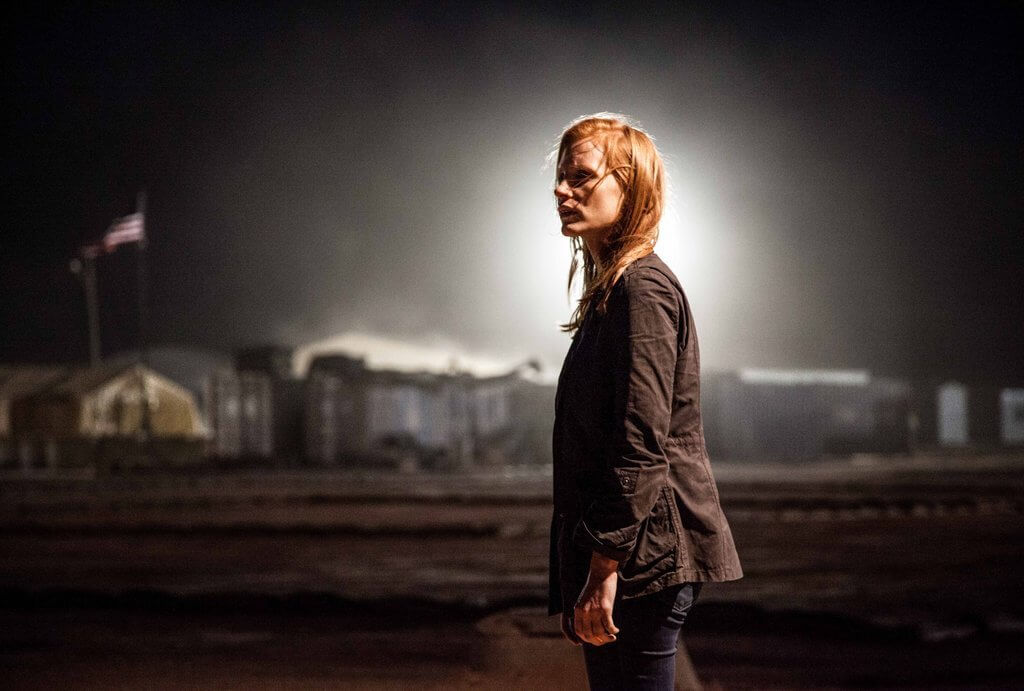
Scene from “Zero Dark Thirty”
In “Forrest Gump,” the medium long shot frames the titular character in a distinctive composition, underscoring his journey.
In “Mr. and Mrs. Smith,” a medium long shot juxtaposes the two leads, revealing their complex dynamic.
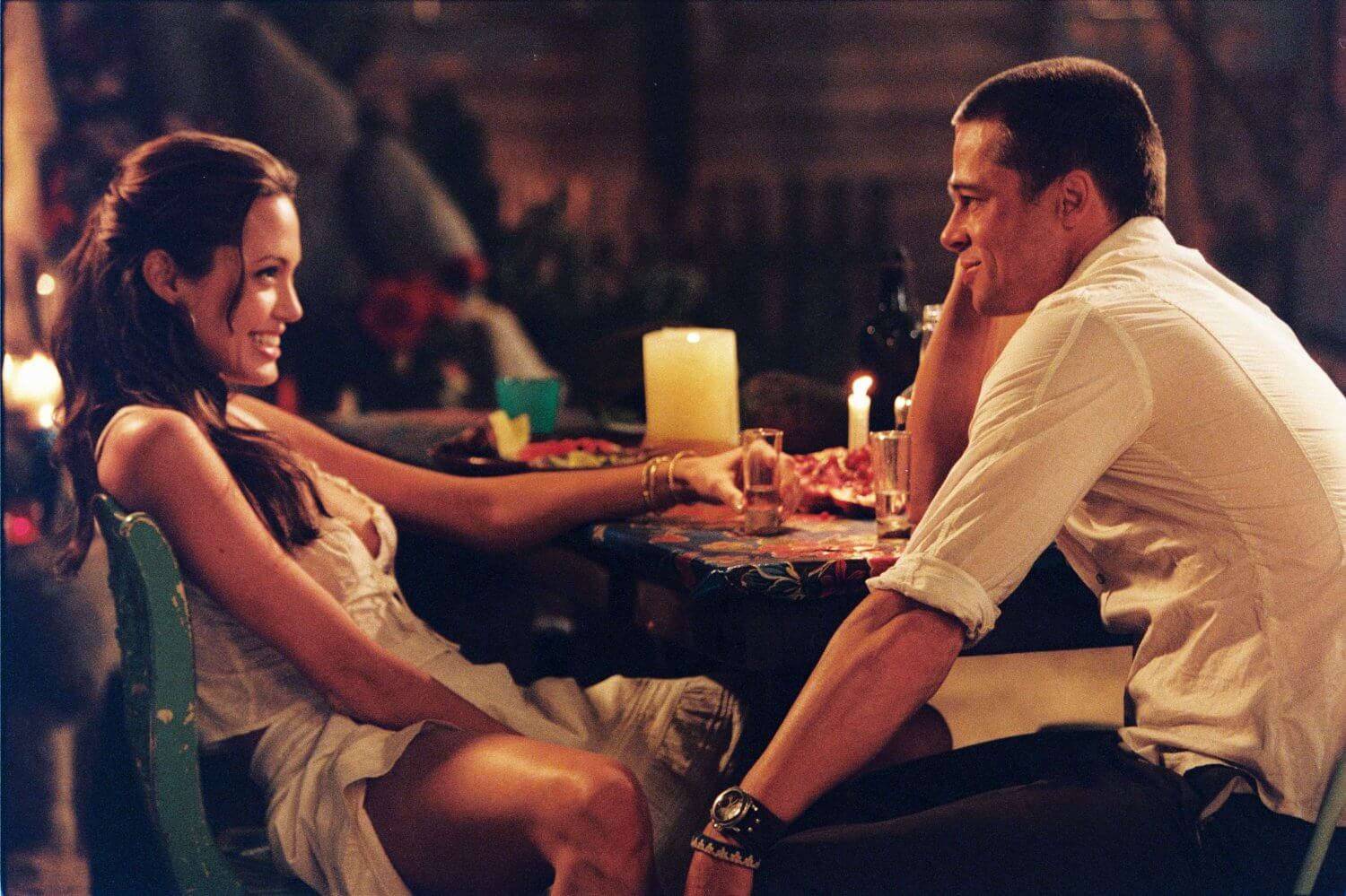
Scene from “Mr. and Mrs. Smith”
Medium Long Shot Films
John Ford, a titan of the Western genre, frequently used the medium long shot to establish scene. “The Searchers” features several iconic instances.
These framing choices appear in pivotal fight sequences and emotional climaxes alike.
Deakins again turns to the medium long shot throughout the James Bond film “Skyfall,” presenting the protagonist in his most confident stance.

Scene from “Skyfall”
Deakins’ lighting approach—diffused illumination that emphasizes both character and setting—adds depth. He often employs ring lights to craft a crisp, balanced frame, a technique any filmmaker can replicate with a basic ring light setup.
9 Camera Shots Indicating Subject Size
From tight close‑ups to expansive long shots, a wide range of framing options allows you to control the narrative pace and emotional resonance.

Scene from “True Grit”
Choker
A choker frames the subject from the chin to the forehead, zeroing in on facial expressions that convey nuanced emotions.
Close‑Up
By capturing the face from just below the chin to the top of the head, a close‑up accentuates subtle reactions.
Cowboy Shot
Also known as a medium shot, the cowboy shot captures the figure from the mid‑thigh upward, often showcasing a weapon or holster.
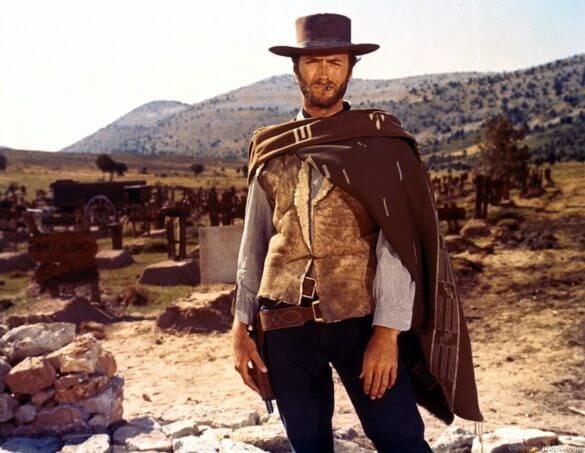
Scene from “The Good, the Bad, and the Ugly”
Extreme Close‑Up
Targeting a specific facial feature—like the eyes—this shot magnifies detail.
Extreme Long Shot
Showing the subject from a great distance, extreme long shots emphasize scale and context.
Long Shot
Also called a full or wide shot, a long shot captures the character from head to toe and situates them within their environment.
Medium Shot
Known as a waist or mid‑shot, it balances character focus with environmental backdrop.
In “Creed,” the continuous waist shot captures both action and determination as the protagonists face off.

Scene from “Skyfall”
This mid‑shot allows viewers to feel the protagonist’s somber mood against the city’s bright lights.
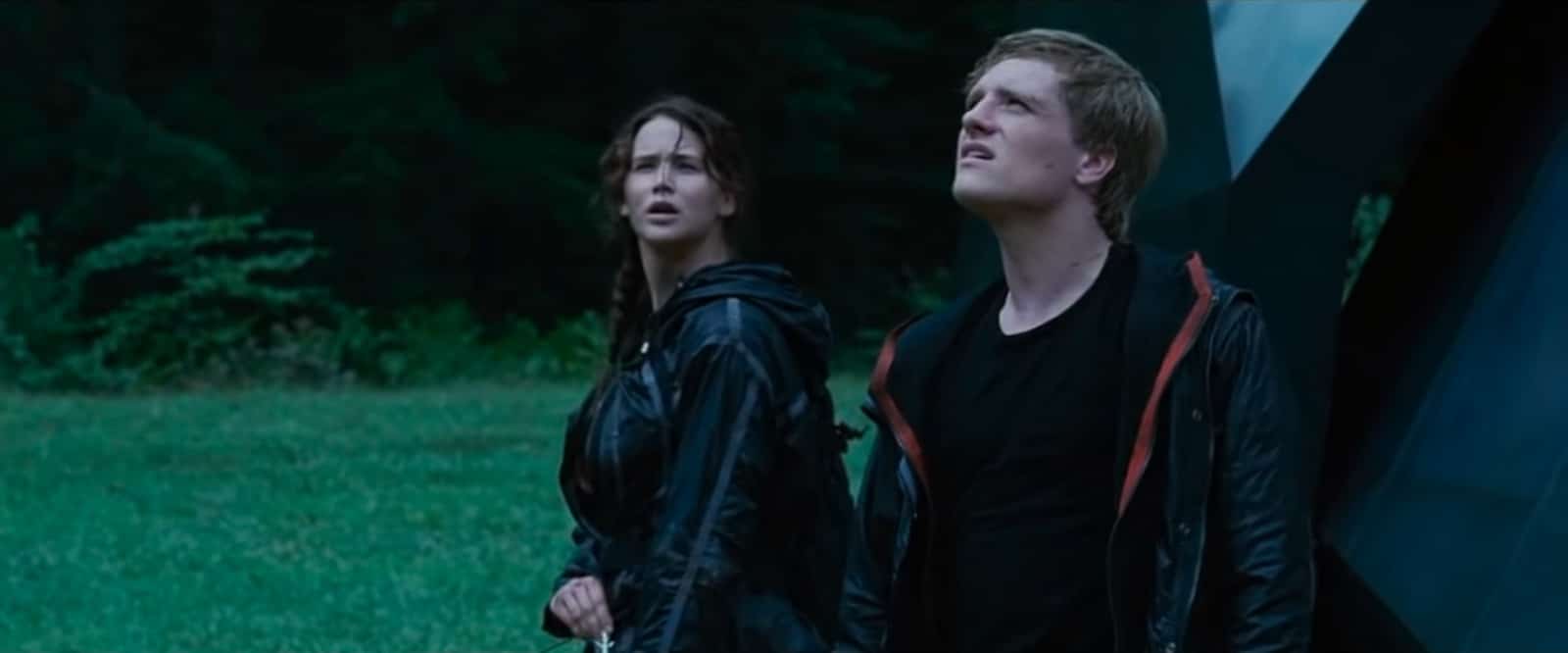
Scene from “Hunger Games”
Here, the shot captures Katniss and Peeta’s astonishment as they survey the arena.
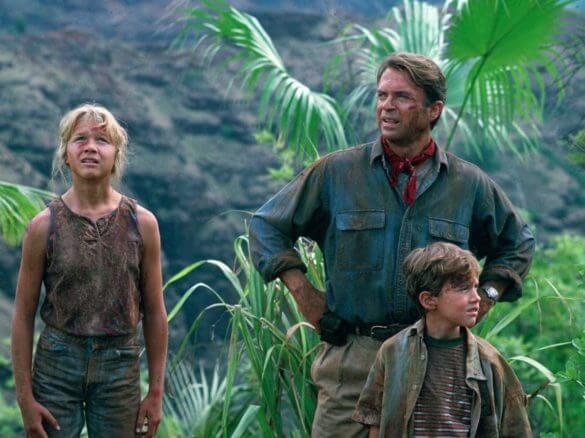
Scene from “Jurassic Park”
In this mid‑shot, the expansive forest heightens the characters’ apprehension.
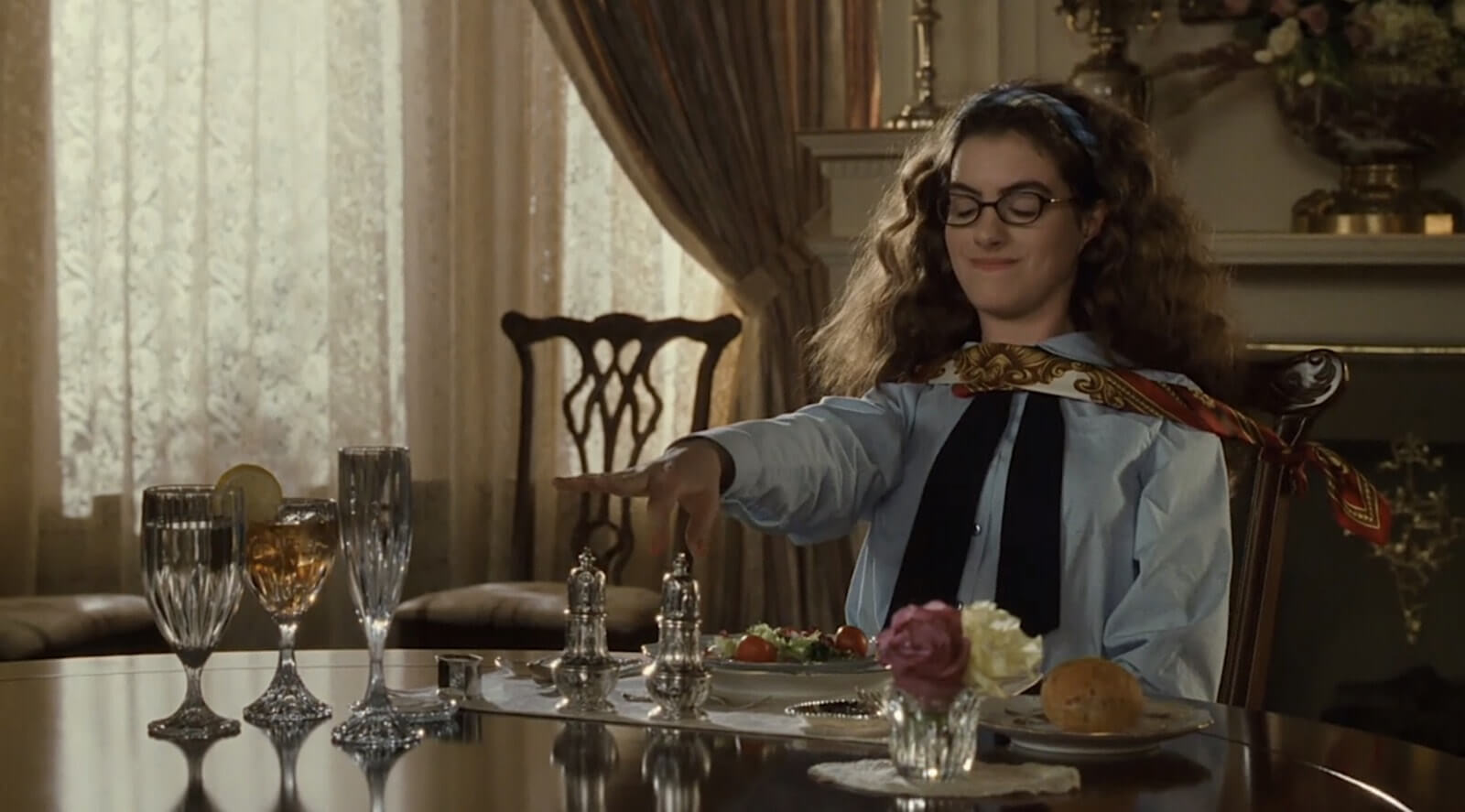
Scene from “The Princess Diaries”
Here, Mia’s mid‑shot showcases her journey toward regal composure, amplifying the scene’s humor.
Medium Close‑Up Shot
This shot frames from the shoulders or chest upward, spotlighting the subject while minimizing background detail.

Scene from “The Big Lebowski”
10 Shots Indicating Camera Angle or Placement
Camera positioning—whether aerial or handheld—can dramatically alter the story’s tone.

Scene from “A Beautiful Mind”
Aerial Shot
Placed high above the scene, aerial shots often use drones to capture sweeping vistas.
Bird’s‑Eye View
Also called a top shot, it frames the subject from several feet overhead, offering broader context.
Crane Shot
Mounted on a crane, this shot rises or recedes, frequently closing a scene with grandeur.
Dolly Shot
Moving the camera toward or away from the subject, the dolly often opens a scene with a smooth glide.
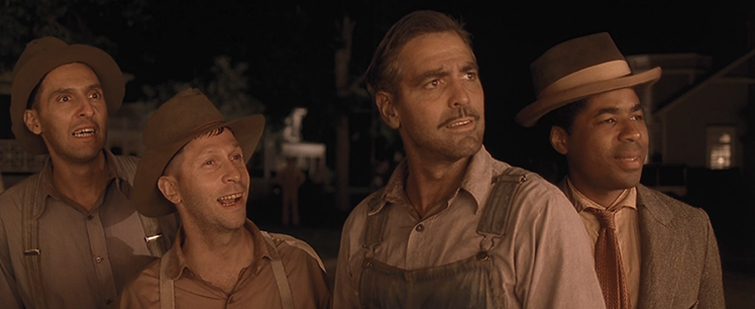
Scene from “O Brother, Where Art Thou?”
Dutch Angle or Tilt Shot
Tilting the frame, this technique conveys unease or tension.
Eye‑Level Shot
At eye level, the camera offers a neutral, natural perspective.
Handheld Shot
Ideal for intimate moments, the handheld approach creates immediacy.

Scene from “Shawshank Redemption”
High Angle
Positioned above, high angles render subjects vulnerable or powerless.
Low Angle
From below, a low angle elevates the subject, conveying strength or authority.
Over‑the‑Shoulder Shot
Framing from behind a shoulder, this shot emphasizes interpersonal dynamics.
10 Other Common Shot Types
These additional techniques—cut‑in, two‑shot, and more—provide further narrative tools.

Scene from “O Brother, Where Art Thou?”
Cut‑In
Shifting from the subject to a detail and back, cut‑ins draw attention to key elements.
Cutaway
Moving away from the main action, cutaways provide context before returning.
Establishing Shot
Placed at a scene’s start, it sets location, time, and mood.
Master Shot
Capturing the entire scene in one take, the master shot offers continuity.
Pan Shot
Horizontal movement reveals characters or action across the frame.
Point‑of‑View Shot
From a character’s eyes, this shot fosters audience empathy.
Reaction Shot
Showcasing how a character responds, reaction shots underscore emotional beats.

Scene from “No Country For Old Men”
Reverse Angle Shot
Flipping 180°, this angle often captures a dialogue exchange.
Steadicam or Stabilizer Shot
Using a steadicam keeps the camera steady while moving, ideal for dynamic sequences.
Two Shot
Featuring two subjects, it highlights relationships or shared moments.

Scene from “Lost in Translation”
To master these techniques, enroll in the Cinema Product Diploma program at Nashville Film Institute today.