
A spec script is a screenplay written on speculation, with no commission or pre‑arranged sale. Writers develop original ideas in hopes of selling the script or securing representation that leads to paid assignments.
Only the script reader sees your work, so originality and impact are essential to cut through the volume of submissions.

Scene from “A Quiet Place”
Writing “On Spec”
New writers typically produce all of their early work on spec. Spec scripts may cover:
- Feature‑film scripts
- Television pilots and series episodes
To stand out, you must channel imagination into a script that is both compelling and original.
Length Expectations
Spec scripts follow the same page‑count standards as commissioned work. A standard 90‑minute feature is usually 110–120 pages.
Key Elements of a Winning Spec Script
Preparation is crucial. Study filmmaking fundamentals and refine your craft before drafting:
- Commit to screenwriting as a career
- Read high‑quality screenplays
- Study screenwriting literature
- Re‑watch films you admire and outline their structure
- Use dedicated screenwriting software
- Master industry formatting standards
- Learn about agents, television writing, and pitching techniques
A strong spec script incorporates these core elements:
- Concept
- Well‑defined characters
- High stakes and clear conflict
- Scenes that read as pivotal moments
- Smooth pacing
- Clean, professional formatting
Concept
The logline is your hook. A concise, compelling concept—ideally under 25 words—drives the script and captures a reader’s interest.
High‑concept stories pair a bold gimmick with an engaging premise. The gimmick might be a unique character, a striking situation, or an inventive idea, while the concept is the narrative that unfolds around it.
Examples:
- In Jaws, the gimmick is the shark; the concept is the community’s united effort to eliminate the threat.
- In Jurassic Park, the gimmick is a dinosaur theme park; the concept is the catastrophic breakdown of safety protocols.
To differentiate your concept, experiment with genre mash‑ups, test loglines, and seek feedback from trusted peers.
Characters
Avoid flat protagonists by giving them contradictions and clear arcs. Share character sketches with others to gauge distinctiveness and depth.
High Stakes and Conflict
Constantly raise the stakes. Conflict is the engine that keeps readers engaged; introduce it regularly to maintain momentum.
Moments vs. Scenes
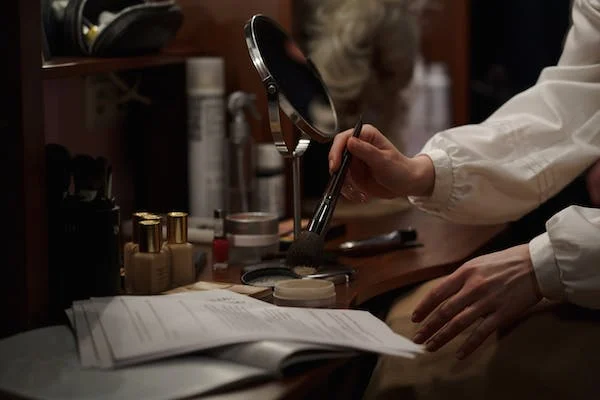
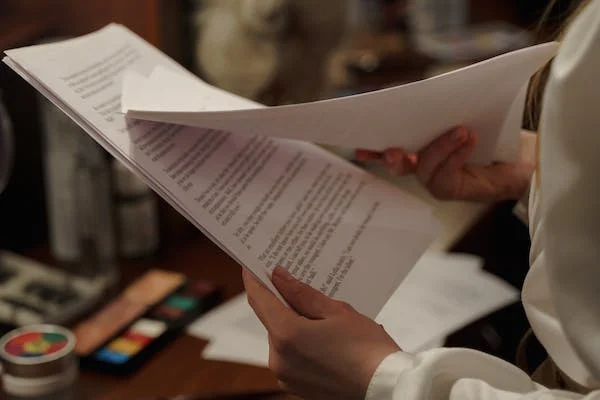
Each scene should feel like a single, emotionally charged moment that propels the story forward. End scenes with an open question to compel the reader to continue.
Scene from “Sophie’s Choice”
Tips for crafting effective scenes:
- Draft a beat sheet or outline first.
- Ensure every scene ends with a query or cliffhanger.
- Push characters beyond their comfort zones.
- Vary settings and situations.
- Keep surprises consistent for both characters and readers.
Scene from “Good Will Hunting”
Streamlined Aesthetics and Fluid Pacing
A spec script should be quick to read while fully engaging. Less is more—focus on tight storytelling that hooks from the first page.
Formatting Guidelines
Consistent, industry‑standard formatting signals professionalism. Keep it simple:
- Scene headings
- Action lines
- Dialogue
- Character names
- Minimal transitions
What to Avoid in a Spec Script
Steer clear of these elements that clutter or distract:
- Acting demands or stage directions
- Camera instructions
- Cast lists
- Dates, logos, or brand names
- Scene numbers
- Set or prop inventories
- Excessive capitalization or action repetition
Writing Tips for a Polished Spec Script
- Write for the ear: Read aloud to catch awkward phrasing.
- Use active voice: Immediate action keeps readers focused.
- Present tense: Adds immediacy and tension.
- Speak to the reader: Craft dialogue that feels personal.
- Employ action verbs: Inject vitality into scenes.
- Limit numbers: Use sparingly to avoid clutter.
- Advance the plot: Every page should propel the story.
Where to Submit Your Spec Script
Target outlets that actively seek fresh voices. Leading options include:
- Amazon Studios
- BBC Script Room
- The Blacklist
Potential Earnings from a Sold Spec Script
A spec script that lands can fetch roughly 2%–5% of the final film budget. For instance, on a $100 million production, the writer could earn between $2 million and $5 million.
While spec writing is less common today, studios still purchase original stories. Recent deals demonstrate ongoing demand for fresh voices.
Professional development programs and mentorships can guide you through the business side of screenwriting. Attending film school also offers insight into the filmmaking process, enriching your narrative craft.
Explore further resources at the Nashville Film Institute: here.