
Swan Song director Todd Stephens and star Udo Kier share insight into how they worked together to develop the perfect on-screen character.
Regardless of the project or film, it takes a strong relationship between a director and actor to truly unlock the best performances. However, in those special instances where a film features an iconic lead actor portraying a larger-than-life character—who’s literally in every single scene—it’s absolutely necessary to build the strongest working relationship possible.
This is the case with Swan Song, the SXSW standout directed by Todd Stephens (known for his important coming-of-age and coming out films Edge of Seventeen, Gypsy 83, and Another Gay Movie) and starring ubiquitous character actor Udo Kier (known for decades of collaboration with acclaimed filmmakers like Lars von Trier, Gus Van Sant, and Werner Herzog).
After watching their film at the Oak Cliff Film Festival in Dallas, Texas, we caught up with Stephens and Kier as they shared insight into how they developed this important actor/director relationship, as well as advice for aspiring filmmakers and stars looking to launch their own cinematic careers.
1. It Starts with the Writing
Swan Song tells the story of former hairdresser Pat Pitsenberger, played by Kier and based on a real person in Stephens’ hometown of Sandusky, Ohio. To call Pitsenberger an outlandish character would be an understatement.
The film follows the geriatric hairdresser on a rare journey outside of his retirement home after he’s tasked with one final hair job for a former client’s funeral. Along the way, Pitsenberger revisits familiar characters and romps from his past as he comes to terms with his own life and legacy.
As Stephens puts it, Swan Song is “very outside the Hollywood system,” as it lacks much of the sex and violence you might usually associate with notable character roles. However, for Kier, the allure of playing a character like Pitsenberger has more to do with the writing, which Stephens credits as the key to landing stellar performers in the first place.
2. Develop the Relationship Early On

For aspiring filmmakers and actors alike, the secret to unlocking iconic performances is developing the critical director/actor relationship as early as possible.
Luckily, once Kier was able to read the script, he and Stephens were able to connect right away. They undertook the long, and often intense, process of getting to know each other—both personally and artistically—and began to develop their filmic relationship.
3. Try to Create Together
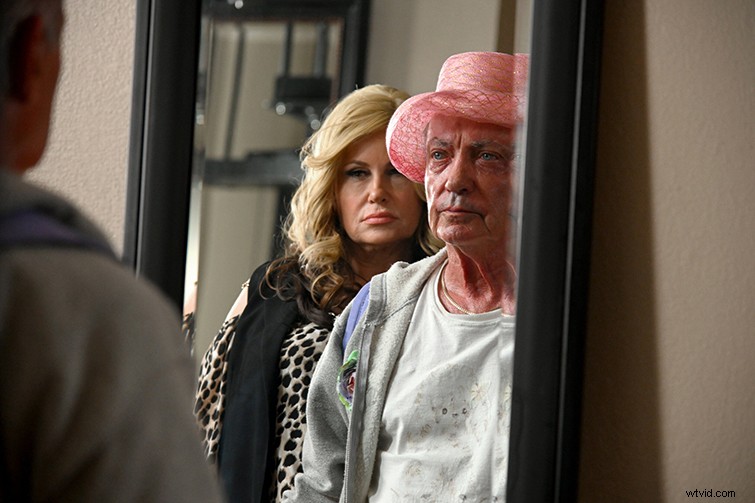
The director/actor relationship for Swan Song actually began long before the launch of production proper, as Stephens was even able to enlist Kier’s help with the initial Kickstarter video that propelled the film’s crowdfunding campaign.
However, the relationship only truly begins to grow once the director and actor are allowed to create together, a process Kier credits as crucial to his own ability to feel fully engaged in a role. (Although, Kier is also quick to note that while creating in the moment does happen, it’s best to give ideas to the director sooner rather than later.)
4. Draw Out Each Other’s Ideas
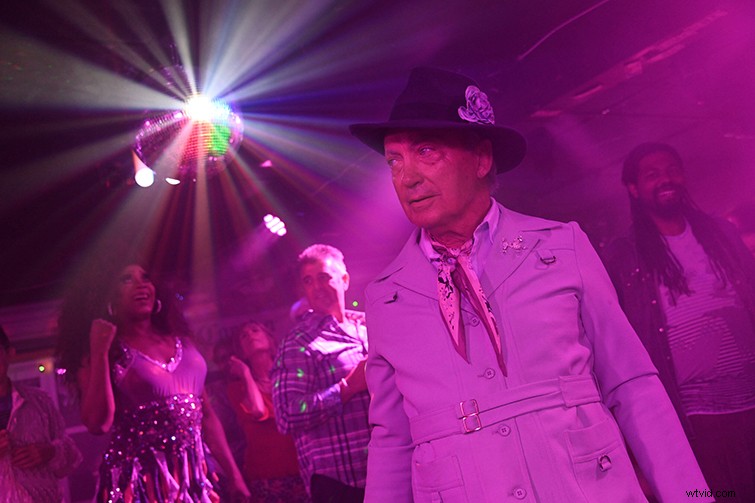
While the discussion between actor and director will always be an on-going process, Stephens notes that his relationship with Kier was unique in just how conversational it became. Unlike other films, Kier and Stephens decided to shoot without much rehearsal, which actually opened up their relationship to even more improv of both movement and performance.
Many of the scenes benefit from this feeling of improvisation and surprise, as Kier explores and gives into the nuances and idiosyncrasies of his iconic character. It’s almost like we’re watching a cinematographic documentary of Kier’s complete embrace of the role.
5. A Good Director Listens to the Actors

Stephens, who teaches film at NYC’s School of Visual Arts, is acutely aware of the wide range of simultaneous challenges faced by those embarking on a feature film. In addition to concentrating on schedules, sets, props, safety, and cinematography, a director must remain fully present with their actors.
Stephens knows that sometimes the best approach to being present, particularly with an accomplished performer like Kier in the lead, is having the confidence and trust to occasionally get out of the way.
Just like in everyday life, there’s no blueprint that reveals the steps for building a healthy, productive director/actor relationship. Nonetheless, as both Stephens and Kier stress, staying as open and communicative as possible with your creative partners is a good place to start.