
In this tutorial, we’ll explore how you can create a small, inexpensive filmmaking backup kit.
So what exactly is a “backup kit” for filmmaking? Think of it like your own personal insurance, in case you were to forget something. For me, it’s a small kit that I leave in my vehicle that’s saved me many times out on shoots. They’re great if you’re doing a lot of one-man-band filmmaking.
Let’s get started looking at the basic gear I recommend for your backup kit, which you can usually piece together from between twenty to fifty dollars. Keep in mind, your kit design may be a bit different, depending on your needs.
Kit Case
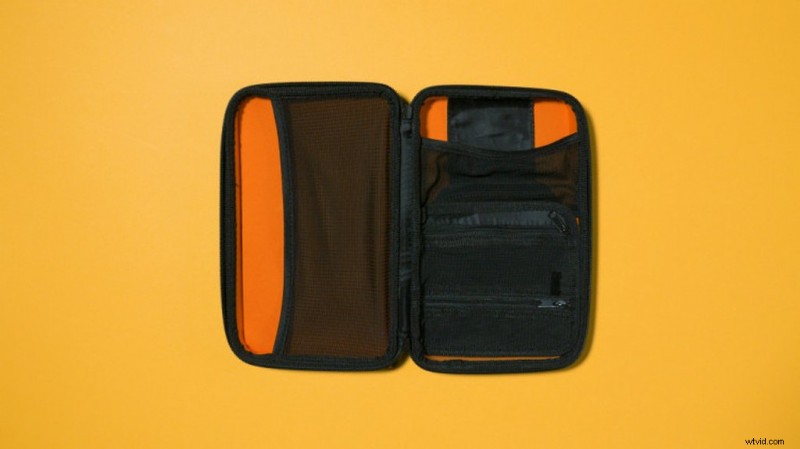
Starting out, you’ll need a case to put everything in. I use this Amazon Basics Travel Case. I like it because it’s small, has lots of pockets, and can easily fit behind a car seat. But, you can use any spare small cases or bags you have on hand. A lot of film gear comes with small cases that you might not use, so you can easily re-purpose them for this.
Memory Card
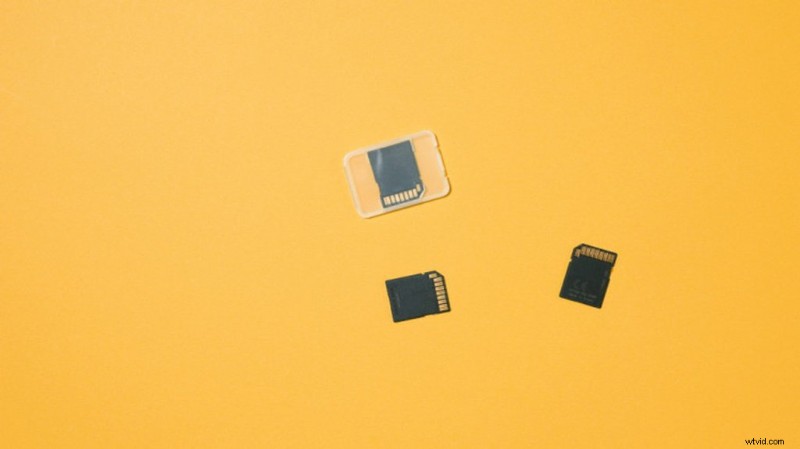
The first item I recommend is pretty obvious, and that’s a memory card. They’re just too easy to forget, or lose, and you can get a great SD card for around $15 that can handle 4K at 60fps.
Micro SD Card Adapter
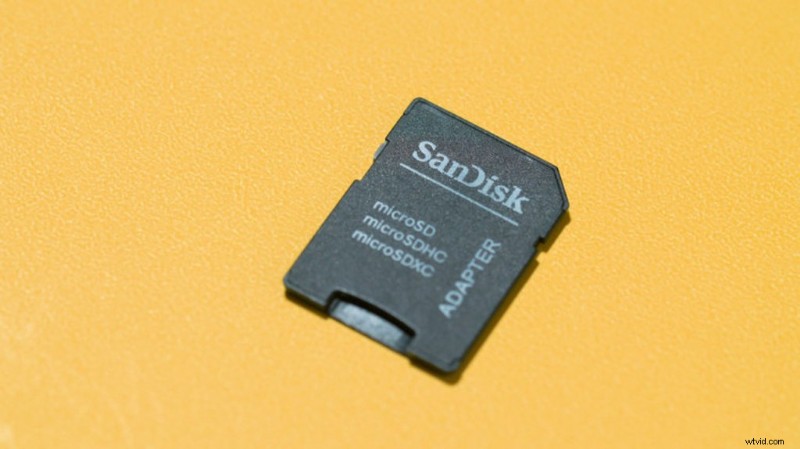
The second item is a micro SD card adapter. If you use micro SD cards, you probably have several of these lying around. Put one in your kit, and if you need to transfer footage to a client on location, it’ll make the process a lot easier.
Gaff Tape
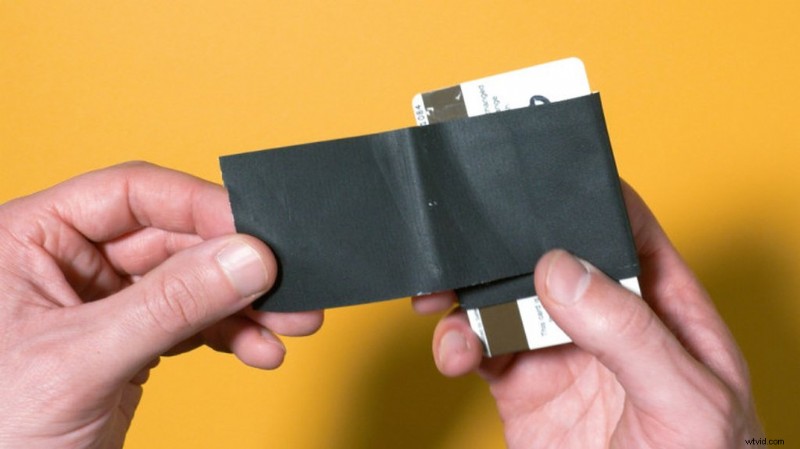
The next item is going to be some gaff tape. A cool trick you can do is take an old gift card that has a glossy surface, then wrap a few feet of gaff tape around it. This creates a nice, low-profile roll that’ll fit easily in your kit. Then, just peel some off as you need it.
Wooden Clothespins
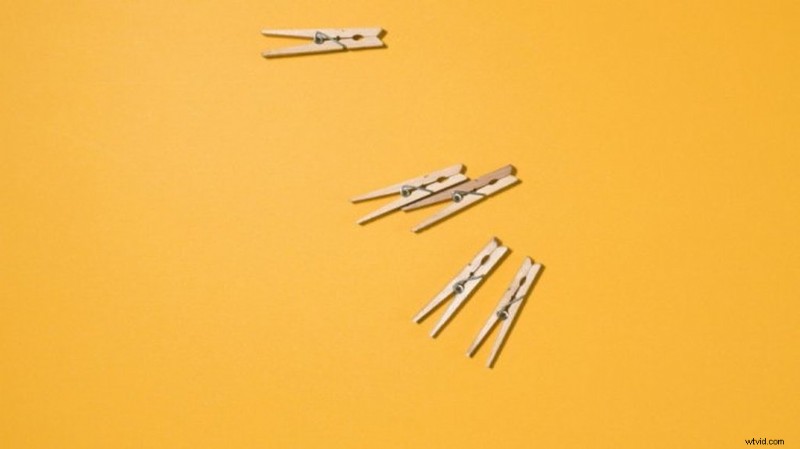
Wooden clothespins have a million uses on set. Plus, they’re small and cheap. A great use for them is securing diffusion paper or gels on light barn doors. Since they’re made of wood, they don’t conduct much heat.
Lens Cleaning Cloths
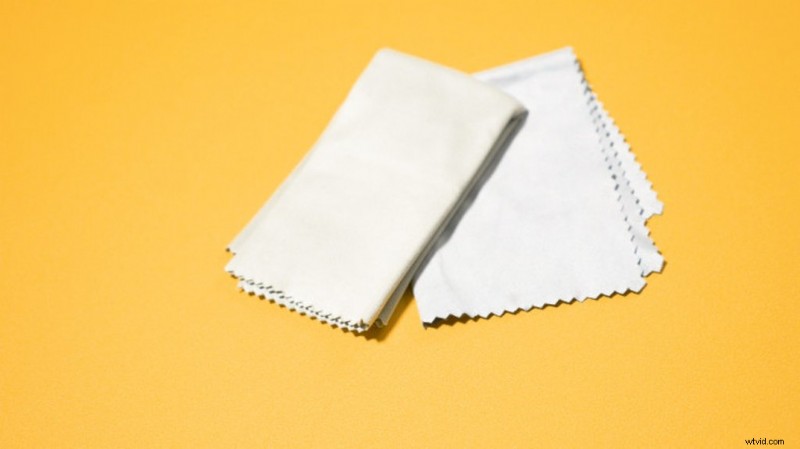
It seems like it doesn’t matter what kind of film gear you buy, they always come with a free cleaning cloth. You might as well put a couple of them in your kit. They work great for removing fingerprints before you film any mobile devices or electronics.
Quick Release Plate
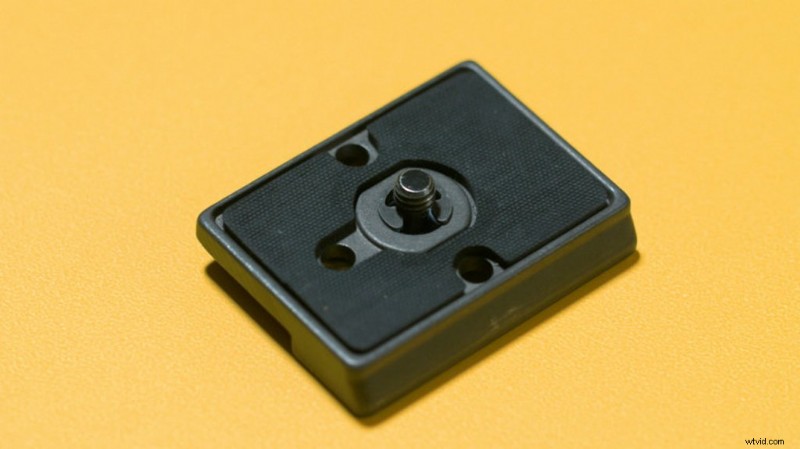
Next would be an extra quick release plate. This is just one of those items that’s easy to forget, and it can be very problematic if you don’t have a spare. There are many different styles. The one I feature in the video tutorial is the Manfrotto 200PL.
Earbud Headphones
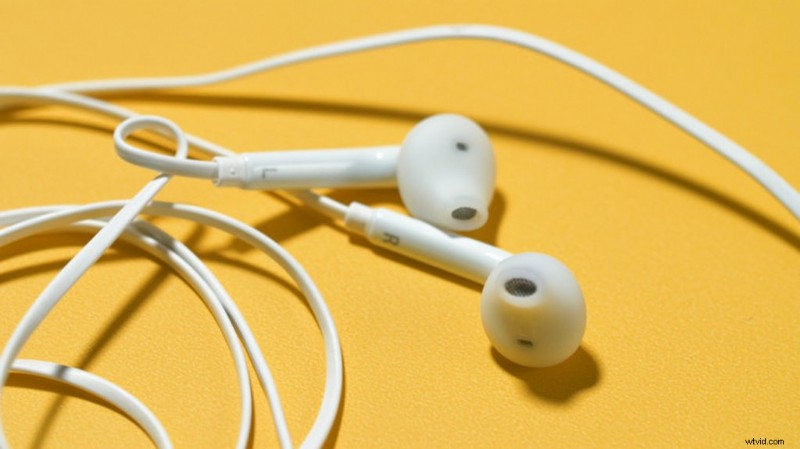
Another great item is a pair of earbud headphones. Again, you probably have some of these lying around. They can be great if you’re in an unexpected noisy environment, or if you want to review footage from your shoot at the location.
Gear Car Chargers
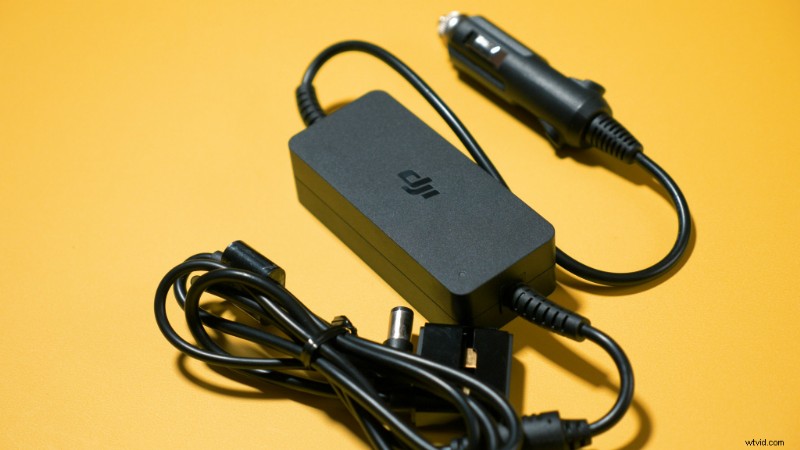
Put any car chargers you have for your gear inside your backup kit. Since they’re designed for use in a car, it just makes sense to store them in your kit.
Camera Strap
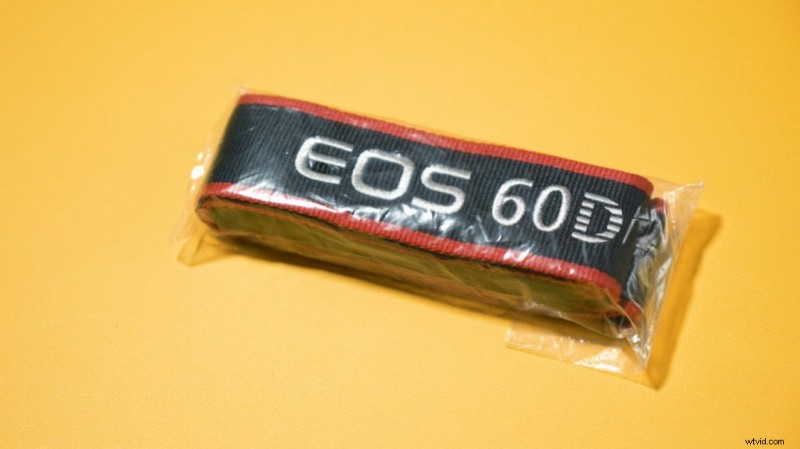
I typically don’t use a camera strap on my cameras. However, if I ever need one, it’ll probably be during a shoot. So, if you have an extra one, you might as well include it in your kit.
Piece of White Paper

Finally, just a simple piece of white copy paper. This can be handy if you forget your gray card or color checker. You’ll at least have something solid white to help pull a correct white balance with.
More Gear Suggestions
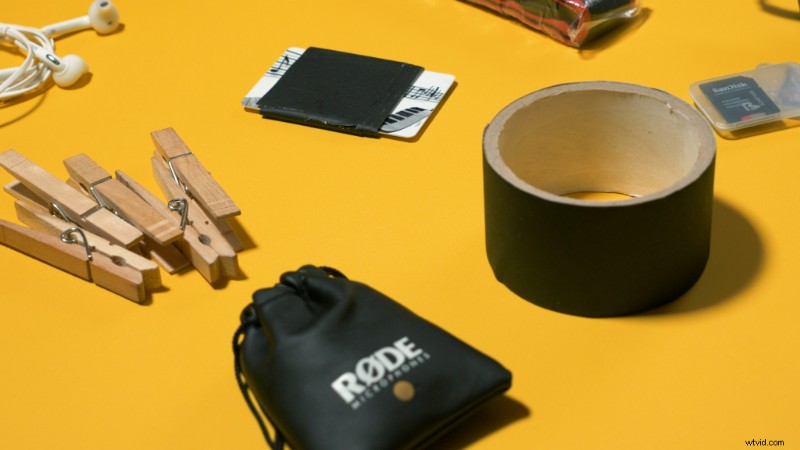
Obviously, there is more gear you could store in this kit. If you need some more ideas, here’s a quick list:
- HDMI monitor cables
- Rechargeable batteries
- Drone props
- USB drives
- Multi-tool
- Hex wrench keys
- Zip-ties
- Business cards
- Rode Smart Lav+
Interested in the tracks we used to make this video?
- “UX Paradise” by Tiny Music
- “Life in Phase” by Tonemassif
Looking for more filmmaking tutorials? Check these out.
- Which Aperture Should You Use For Filming Establishing Shots?
- 10 Years, 13 Cameras, What I’ve learned.
- How to Set Up a YouTube Tutorial Studio Anywhere
- How Many People Do You (Really) Need On a Film or Video Set?