
If you’re a filmmaker or videographer, one of the best things you can do for your workflow is go to the movies to stay on top of market trends and interests.
Top image via Liu zishan.
Be it video, photography, or graphic design, if you’re a content creator, you know how important it is to stay in the know about trends in media consumption. Whether you create for yourself, for a client, or for your own personal business, producing the best, most relevant content is the only way to stay competitive in your field. How trends and popular interests arise is a mysterious combination of seemingly arbitrary tastes, but with practice, you can learn to spot them as they emerge and put them to use in your work.
So let’s take a look at some of the reasons why filmmakers, in particular, should be taking notes on the current styles, tones, and forms of mainstream content in theaters right now.
Cinematography
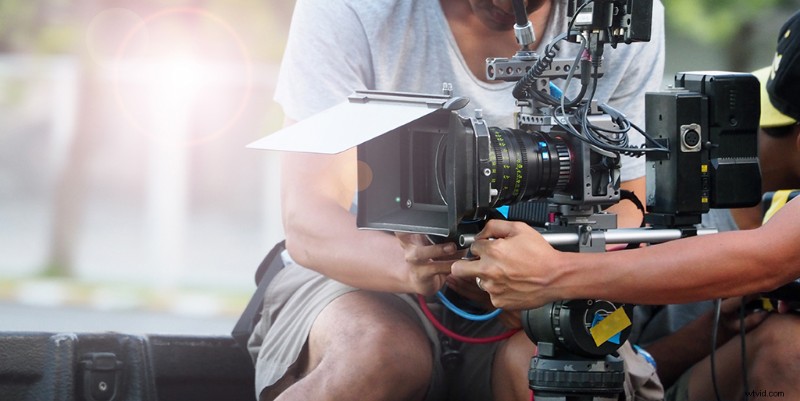
Image via gnepphoto.
The most obvious reason to go to the theater to see the latest big movie is to check out the technological prowess of whichever cinematographer shot the film. In addition to simply enjoying the visuals, notice lighting setups, color grades, and shot composition. Each of these will help you with your own project elements later. Often, you’ll get requests from clients to create something that looks similar to whichever movie is currently generating a lot of buzz. The reason why going to the movies matters in this case is that you can study the film in the format the director intended — IMAX, 70mm, or 3D. The resolution and size of the screen will help you notice more nuances and draw more inspiration from the work that the DP put into the movie.
Editing
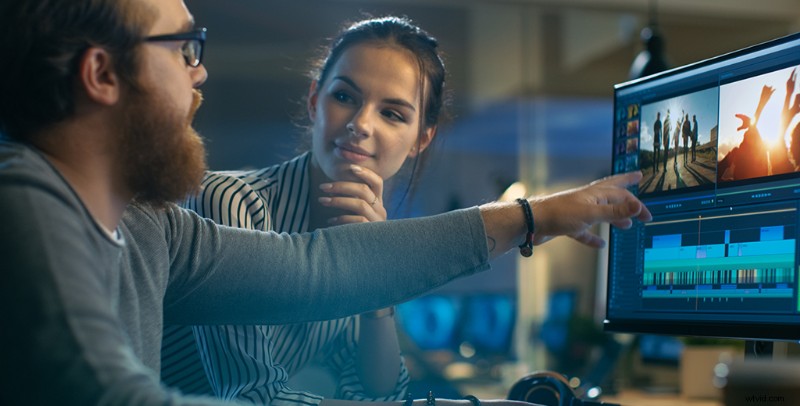
Image via Gorodenkoff.
Any time I go to the movies for a specific director, whether it’s Quentin Tarantino, Martin Scorsese, or David Fincher, I feel overwhelmed by the many filmmaking aspects to take in, like editing, cinematography, acting, writing, or the score. That being said, each movie features unique techniques that are all attempting to capture your attention. Watching the pace of the editing and the timing of the cuts requires a lot of attention; however, if you actively study the editing, you can learn a lot about how the film is telling its story. Is it fast? Is it slow? Does this enhance the story or hinder it?
New stories with new and exciting narrative techniques come out year after year. It’s important that we, as filmmakers and creators, challenge these developments and push our content in new directions. If you see a film that is truly unique and weird, go home and try to emulate that edit in a way that excites you — which is the first step to exciting your clients or viewers.
Currently, movies (especially popular ones) seem to be growing more and more fast-paced. Expect much faster and more hectic editing on the horizon if you’re working with big corporate clients.
All Things Sound
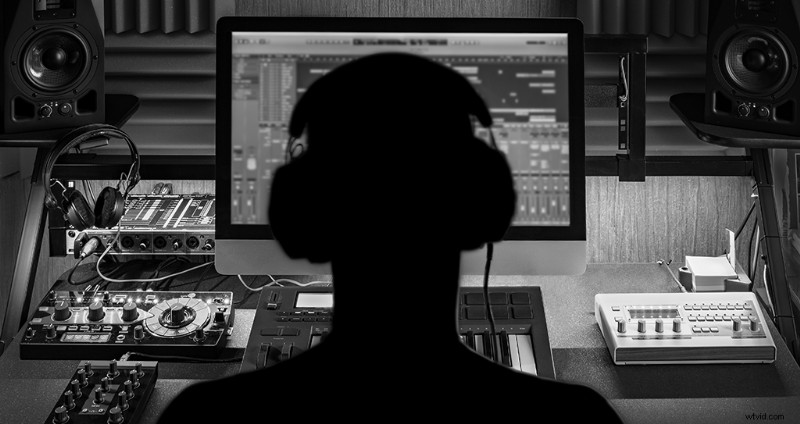
Image via Evgeny Drablenkov.
Another tricky technical area is the sound. Aside from obvious aspects like the score or the sound effects, try to notice the sound mixing and sound editing. One of the biggest reasons I attend the movies regularly is because I know I will most likely never be able to hear the movie that clearly ever again. The fullness of the sounds and emotions truly express the filmmaker’s intentions. As audio engineers and designers get more creative freedom and push technical boundaries, we get to enjoy some truly spectacular sound design. Capturing good sound is one of the trickiest aspects of low-budget filmmaking, but it can also be an excellent way to tell a story without insane visual effects or tricky camera work.
On the other end of the spectrum, we’re also hearing some of the best scores ever recorded. Blade Runner 2049 featured one of the best soundtracks I’ve heard in a long time, which is one of the reasons I made sure to see it in theaters (more than once, I might add). But experiencing the vibrations and surround sound of the theater is a perfect way to study what you can do with sound in your own projects — and what’s most popular with audiences. Right now, for example, synthwave pop and electronica is taking over the movies and television.
Telling the Story

Image via Bartek Zyczynski.
Studying the story is a deceptively simple aspect of keeping up with films in theaters. Again, if you’re in the business of corporate video production or personal branding, following trending topics or storytelling techniques can make or break your next deal. Telling a story with an unlikely protagonist, a scattered narrative, or an innovative structure can be the development that brings you more work — or expands your personal reach.
One of the biggest trends lately is the resurgence of original, dark sci-fi, either in space or on earth. These ideas come in waves, and this wave is currently cresting. Working in the genres that are big at the moment can help you create content that gets picked up by a festival.
These are only a few of the reasons why going to the movies can benefit you as a filmmaker. But, if anything, go to the movies to remember why you do the work you do — and find inspiration to keep at it. There are plenty of original, brilliant stories on the big screen every month, so seize the opportunity and create your own masterpiece.
Looking for more filmmaking tips and tricks? Check out these articles.
- Color Grading 101: What are LUTs and How Do You Use Them?
- Production Tip: Capturing Good Video in Snow and Ice
- Strategies for Promoting Your Youtube Channel and Videos on Social Media
- How You Can Use Cinemagraphs to Tell Your Story
- Choosing the Right Camera for Your Corporate Video Gig