
Knowing how (and when) to pan, tilt, and zoom effectively with your camera set-up is fundamental to successful video projects.
When you’re getting started in filmmaking and video production, mastering the basics is really the surest way you can guarantee successful projects. I know it’s tempting to throw your camera on a giant rig just like your favorite cinematographer, but do this too soon, and you’re only going to make mistakes. (And not the good, educational kind of mistakes.) It’s easy to mess things up during intricate techniques and complex movements, but you can minimize these mistakes substantially by combining solid fundamental movements. In this tutorial, let’s explore the three primary camera movements: the pan, the tilt, and the zoom.
The Pan

The pan moves your camera along a flat, horizontal plane. You may see this often in nature shots or panoramic cityscapes — the types of shots that need to include more information than your camera frame can provide without moving.
An easy way to get a smooth pan is to push or pull your tripod arm with just one finger — you can even out your movements much more easily with only one point of contact instead of a full grip. If you grasp the tripod arm too firmly, you can accidentally introduce camera shake.
The Tilt
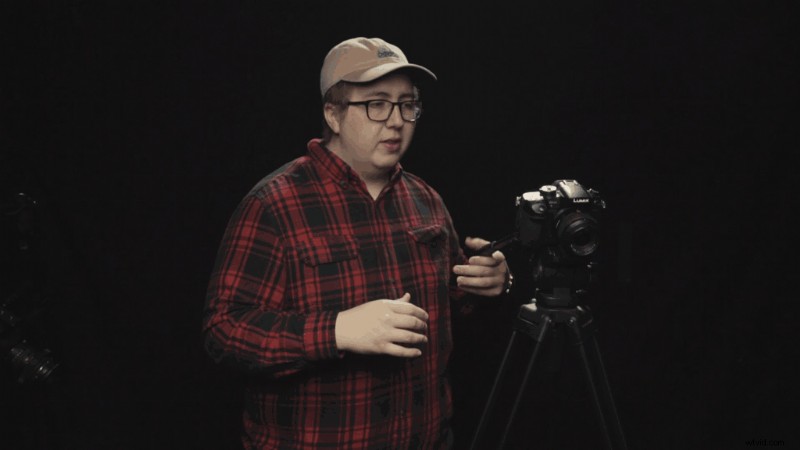
This shot connects two items. Whereas the pan is a horizontal movement, the tilt moves the camera along a vertical plane. The tilt involves a point A and point B — the two locations where you will begin and end your shot. With a tilt, the focus usually falls on point B, since the movement won’t really look very good if you end on an unfocused shot.
Much like the pan, the key to a smooth tilt is a loose grip. As before, a firm grip will give you camera shake. Refer to 38 Special on this one, and make sure to “Hold on loosely, but don’t let go. If you cling too tightly, you’re gonna lose control!”
The Zoom
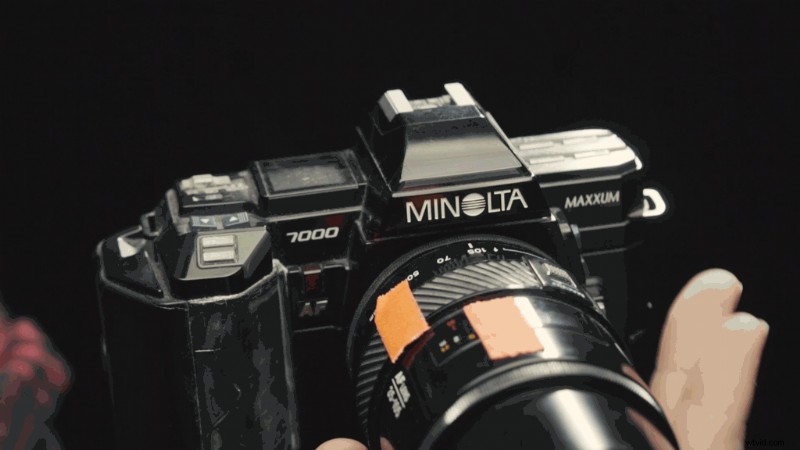
A zoom uses the lens to add motion to a shot. Now, I know that a zoom is pretty straightforward, but it takes a bit of practice to get an effective zoom.
A useful trick for getting a perfect zoom is preparation. Zoom into your subject, and get it in focus. Now, take two pieces of tape, and place one on your lens and the other on the zoom mechanism. After you have done this, you can zoom out, and when you’re ready to take your shot, all you have to do it line up the pieces of tape — all without looking at your monitor!
Looking for more information on filmmaking and video production? Check out these articles.
- The Video Editor’s Guide to the Most Popular NLEs
- The First 5 Things You Should Do When Arriving at a Shoot
- Filmmaking Tip: 10 Video Editing Mistakes to Avoid
- 5 Quick Tips for Editing Music in Your Videos
- Need to Shoot Overhead Video? Check Out This Setup