
Stock footage can extend the runtime of your next film or video and save you the trouble of collecting tedious and expensive B-roll.
If you’re working as a director, cinematographer, or video producer, making the leap to stock footage can seem like a pain. However, more often than not, you might be able to help yourself, your team, and your project out by finding and using the right stock footage. There are many different types of footage and ways to use it, so let’s take a look at some of the ways you might need it.
Archival
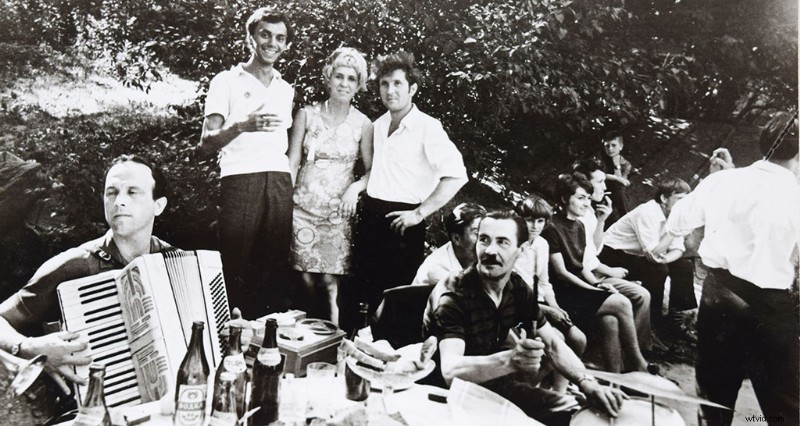
Image via Lyudmila2509.
If you’ve worked on a period piece, you’ve probably pulled your hair out trying to pin down the locations, props, wardrobe, and appropriate music for your film. It is truly a grueling process to successfully create something set in a different time. Luckily for today’s video producers, we have access to more outlets that can make these tasks much easier to handle. Never rule out using stock footage for archival footage — this can serve you well when you need to insert footage into a television screen in the background, feature an establishing shots, cut away, or even just provide reference footage. Stock footage can be an excellent resource if you need some visual fact-checking for your next storyboarding or writing session.
Establishing Shots

Image via Piotr Zawisza.
One of the staples of filmmaking since its inception has been the establishing shot. Letting your audience know where the story is before who or what it is keeps them engaged and informed. So, if you’re working on a tight budget, no budget, or even a hefty budget, you still might not be able to shoot at the exact location you need. This doesn’t necessarily mean your project is dead. Search our collections for the appropriate city or landscape, and figure out which type of shot would fit well into your workflow.
Corrupted Footage

Image via andrey polivanov.
If you find yourself shooting in some precarious situations — whether it’s out in the elements or in other uncontrollable circumstances (like people messing with the camera guy) — you might end up on the cutting room floor looking at some footage ruined by a dead pixel, dirt on the sensor or lens, or unwanted material that could ruin the whole scene. There are a few different ways you can approach this; removing a dead pixel or tiny spec of dirt in post production is a very simple process that we’ve covered in the past here.
Cutaway

Image via Alex Segre.
A seemingly obvious way to incorporate stock footage into your video or film is B-roll in-between scenes, clips, and interviews. These cutaways are an excellent way to bring the audience back to a visual motif if you’re working on something that requires multiple viewings. These clips are very popular with serial television shows and mini-series, often signaling to audiences when the narrative will change locations and sets. Cutaways in general are a good way to keep the audience guessing while propelling the story and adding to the total runtime in case you need to hit a certain length.
Top image via wellphoto.