
We take a look behind the scenes at how a Sundance Award-winning filmmaker shoots dynamic, one-take short films.
All images via Jim Cummings.
We sat down and chatted with the talented and funny Jim Cummings, whose short film “Thunder Road” won the Grand Jury Prize at the 2016 Sundance Film Festival (as well as jury awards at SXSW and several other festivals around the world) and has been called one of the greatest short films of all time.
Cummings, along with Dustin Hahn and several other collaborators, has spent the last several years perfecting the art of the one-shot, one-take short film with ten different award-winning iterations.
In addition to talking about Cummings’s upcoming journey to turn Thunder Road into a feature film (check out their Kickstarter), we asked for some actionable production advice on how to film festival-friendly, one-take short films. Here are some practical tips for filming dynamic and creative one-take shorts.
Book a Full Day
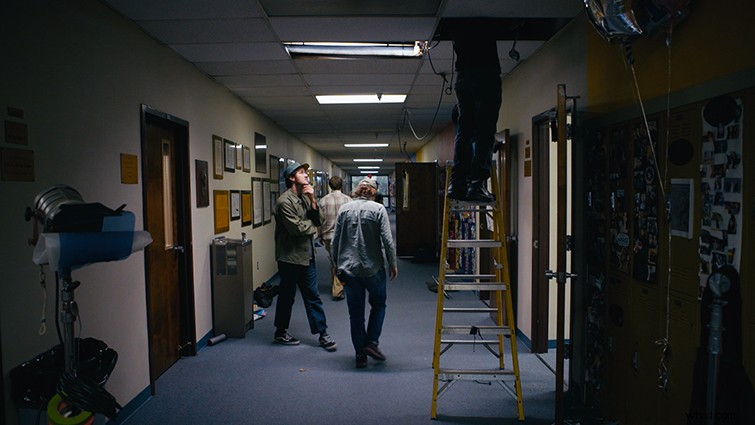
While it may seem easier to film one-take shorts (or at least edit them), it certainly takes a great deal of time, resources, and talent to execute. For Cummings and his teams, filming even the shortest one-take film would typically require one full day of production.
Marks for Cameras and Actors Are Key
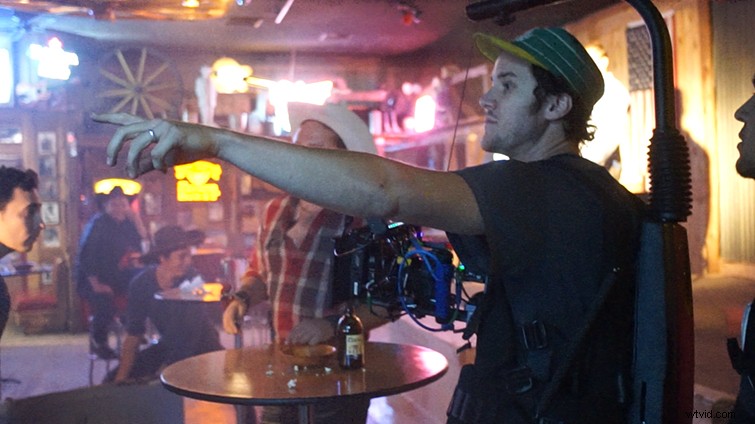
When you watch Cummings’s films, you’ll likely notice a lot of movement and action. These aren’t arbitrary — his films are tightly scripted and choreographed for both the actors and the camera. A feeling of controlled chaos comes across as you watch characters in the throes of mental breakdowns, life-changing moments, and personal revelations.
If a Cup Falls, Pick It Up
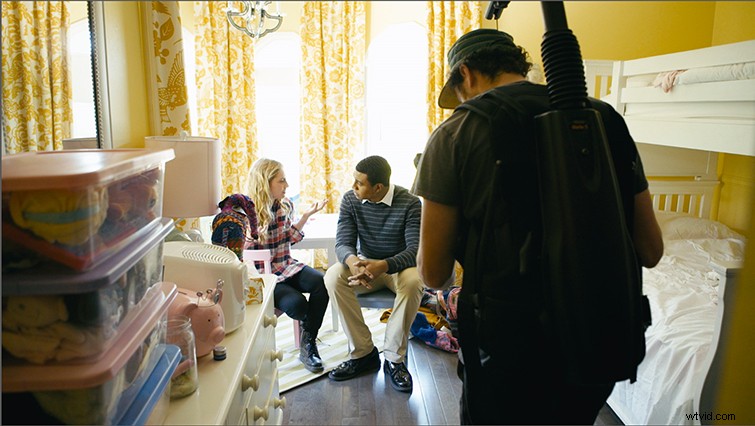
Cummings is quick to point out how each film lets the actors bring it to life. In shorts like It’s Alright, It’s OK (which you can watch here) and The Robbery (which you can watch here), the camera very intently focuses in on the actors, who seem to organically stumble through the scene, running into people and knocking them over — all while engrossed in their characters.
It Takes All Types of Audio Recording Tricks
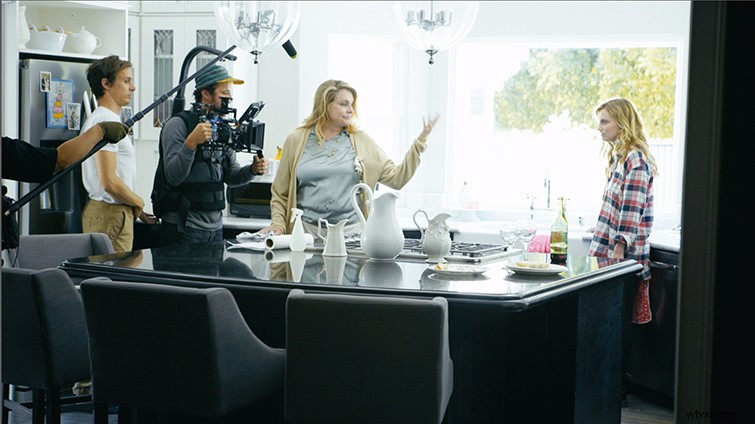
Even in a quiet indoor setting with subtle camera moves, capturing audio in a one-take short can be extremely difficult and require several different approaches, as Cummings reveals for Thunder Road. Along with adding echo to the lav mic audio and mixing it with the boom, Cummings also had to record DIY-ADR using a Zoom H2 while dancing around his apartment to match the energy and movements.
Get Creative with Lighting
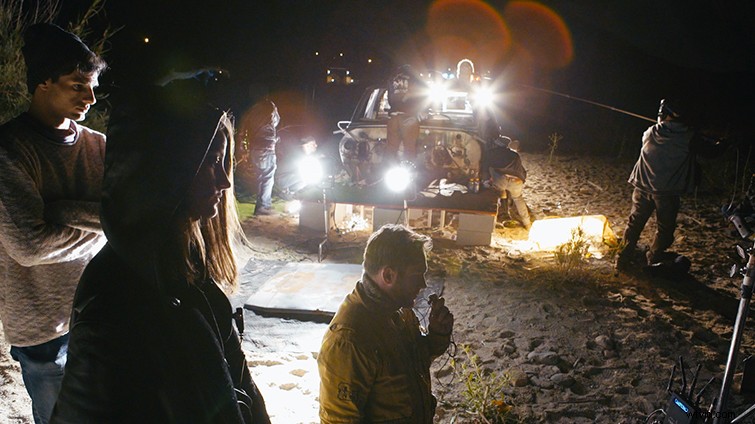
Lighting is an issue on all sets, but it is especially problematic when you can’t stop and move your lights around. One-take sequences, like you see in The Stop (which you can watch here on Fullscreen), are a good example of how to find ways to make creative use of light panels, ultra-violet lights, and paints to keep the lighting compelling.