
Unlock the hidden powers of cinematography by learning the three layers of shot composition: foreground, middleground and background.
When you first pick up a camera and frame a shot, you instinctively look for certain things. You line up your subject and position them in their environment. You check lighting and color temperature. You wrestle with focus and depth of field. You follow or create motion.
However, to truly unlock the power of cinematography, and to train your eye to find the most distinguished compositions, you need to understand, embrace, and master the multiple layers available to you.
Let’s explore the foreground, middleground and background layers of shot composition and how you can harness their distinctive natures to create truly eye-popping and engaging cinematography.
The Foreground
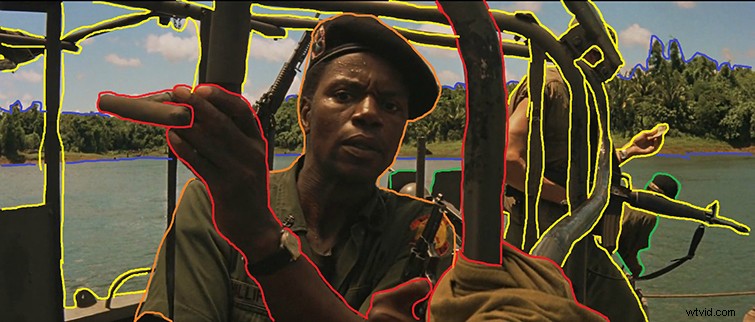
As you might expect, of the three layers, the foreground is closest to the audience’s eye. Using an example from user wowzabob‘s imgur post where he breaks down compositions in Francis Ford Coppola’s Apocalypse Now, we see the foreground layer outlined in red. Focus notwithstanding (more on that below), the red area is the foremost plane in the composition.
The Middleground
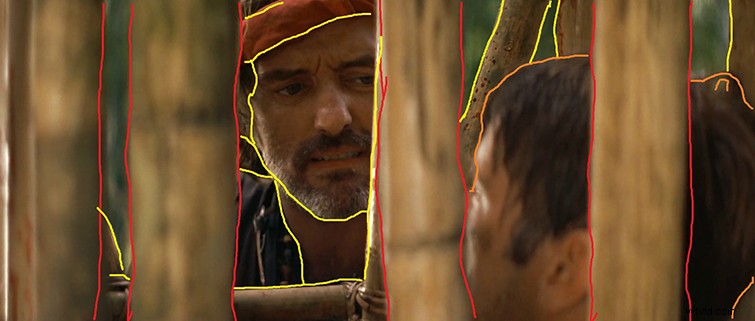
The middleground is the space within a composition between the foreground and the background. In the shot composition above, it is the yellow-outlined space, which you can see juxtaposed against the red foreground (the obstructive bars) and the out-of-focus background.
The Background
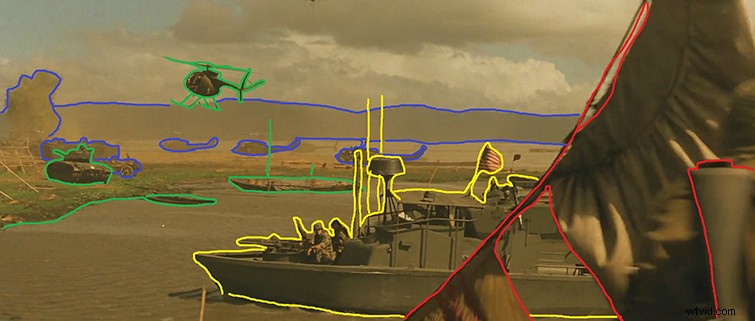
The background is the space further away, behind both the foreground and middleground. You can see it illustrated above: the flag (outlined in red) is in the foreground, and the ship (outlined in yellow) is in the middleground; the land, helicopters, and sky (outlined in green and blue) are in the background.
Working with Multi-Layered Compositions
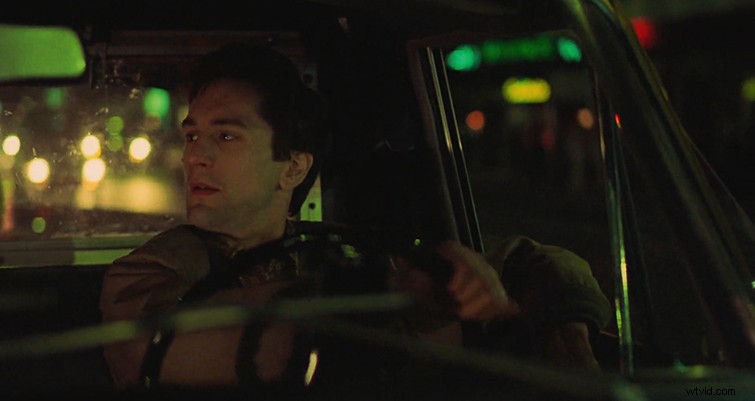
Now let’s look at an image without the outlines. In wowzabob‘s imgur post, we also see a shot composition from Martin Scorsese’s Taxi Driver. Can you spot the three layers in the composition? In the foreground we have the out-of-focus steering wheel, in the middleground we have Robert DeNiro’s character, and in the background we have the extremely out-of-focus cars.
Notice how the three different layers work together to provide depth and complexity. Focus is a large part of where your eye comes to rest, but beyond that, you see a sophisticated composition that makes full use of the available imagery. See how the above image from Taxi Driver compares to a composition from a different film: the 2005 adaption of The Producers.
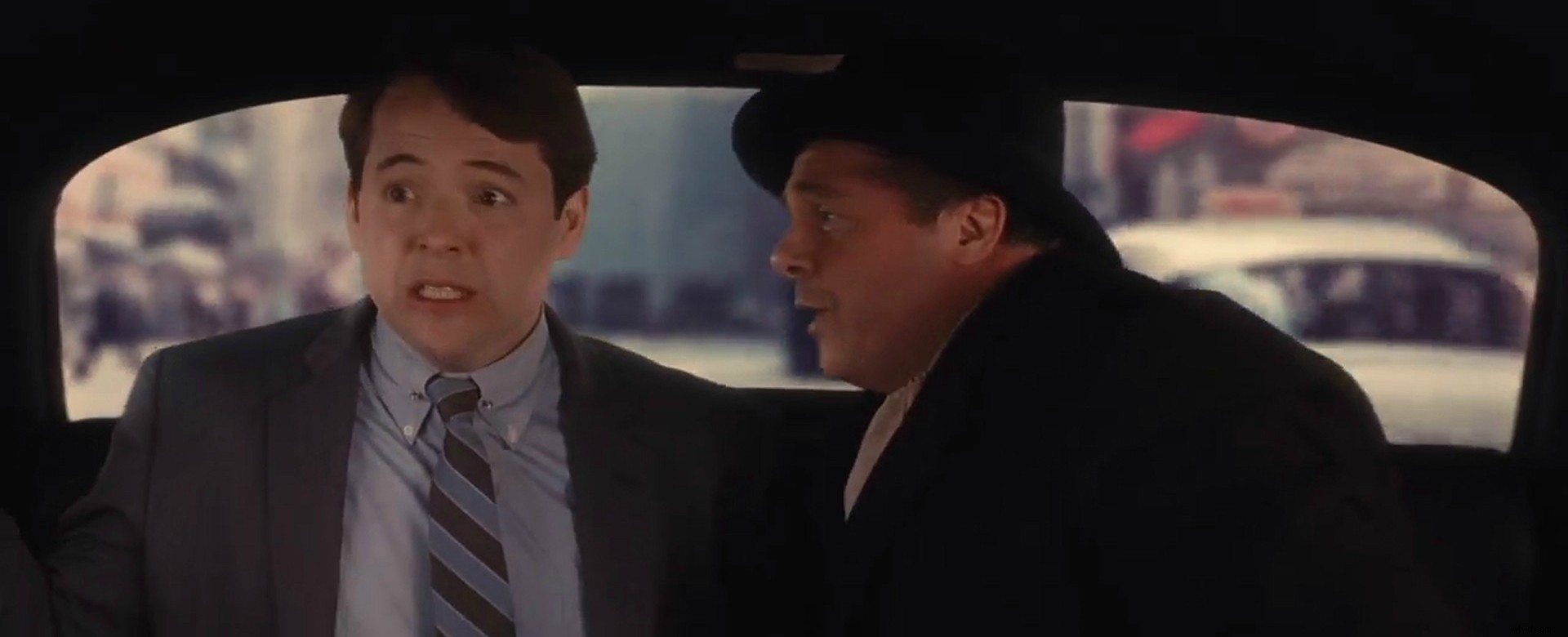
This composition is much more simplistic. There are only two layers, a middleground (or foreground, depending on how you look at it) and a background. For some, this may seem more inviting, while, for others, it may just be boring and bland.
Using Focus and Depth of Field

Without getting too deep into the technical aspects of focus and depth of field or range, it’s important to understand how you can use focus to emphasize different layers. In the image above, you can see the three distinctive layers. However, only one of the three is in focus.
The foreground (where the cat’s paw is) is slightly out-of-focus, while the background (the vague colors behind) is severely out-of-focus. You can see the difference in the following two photos.
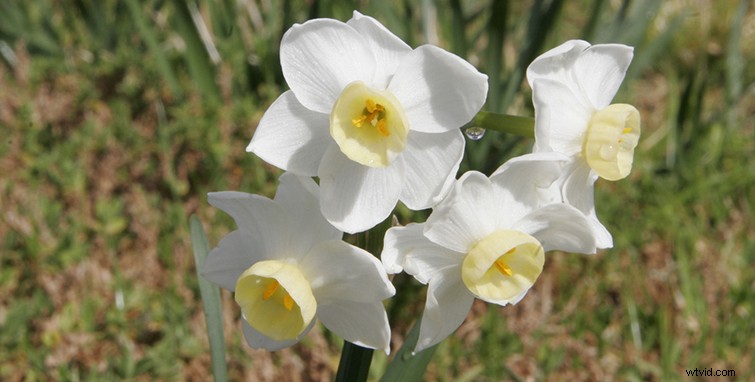
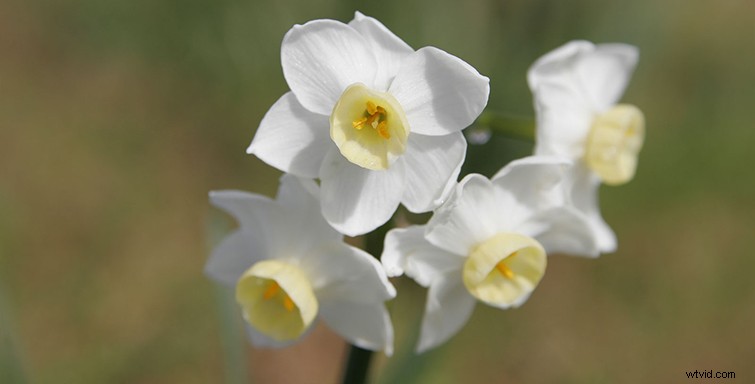
In the top photo, the foreground is in focus, and the background is slightly out-of-focus. Your eye moves naturally to the flower in the foreground, but just barely. The background can still draw some of your attention.
In the bottom photo, the flower in the foreground is still in focus, but the background is heavily out-of-focus. This forces you to focus exclusively on the foreground since the background is merely a smear of colors.
Understanding Deep Focus
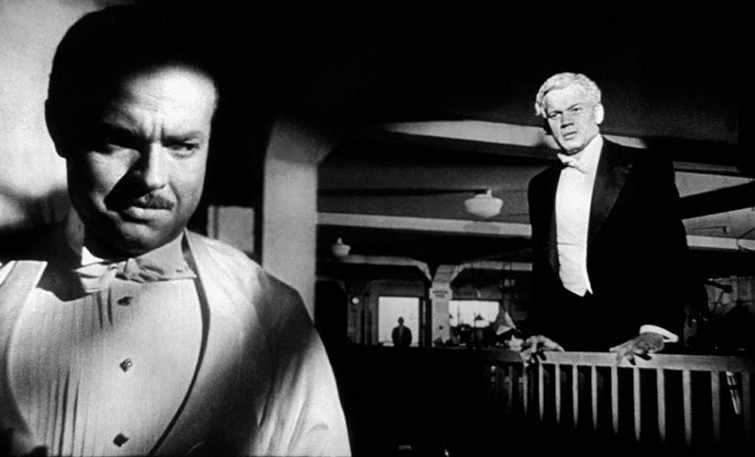
So how do you make a composition where all three layers are equally in-focus? This technique is often called deep focus, or, more plainly, a very large depth of field. There are many ways to achieve deep focus in photography and video (which you can read about here). Perhaps the best example is the iconic deep focus shots in Orson Welles’s Citizen Kane.
You can see how the foreground, middleground and background are all equally in-focus and divided across the screen. While the Citizen Kane technique may not be ideal for every scene, it showcases the available options when creating your compositions.
If you’d like to learn more about lighting, framing, and shot composition, check out the following resources.
- 7 Standard Filmmaking Shots Every Cinematographer Must Know
- The Most Common Framing Mistakes in Cinematography
- Cinematography Technique: Cutting Light and Creating Shadow
How do you work with foreground, middleground and background in your cinematography? Let us know in the comments.