

Shreshtra • October 9, 2025 • 9‑minute read • Leave your thoughts.
2d, 2d animation, 2d animation definition, 2d animation examples, 2d animation for beginners, 2d animation maker, 2d animation styles, 2d animation vs 3d animation, 2d animation websites, 2d animations, 2d cartoon, 2d character animation, 2d vs 2d, 2d vs 3d, 2d vs 3d animation, animation creation, animation process, animation steps, animation techniques, digital animation, how does animation work, how to 2d animate, how to animate for beginners, how to make 2d animation, traditional 2d animation, types of animation, what is 2d, what is 2d animation, what is 3d animation, what is animation, what is traditional animation
Think back to your childhood—curled up on the couch, eyes glued to the TV, completely lost in the magic of Saturday‑morning cartoons.
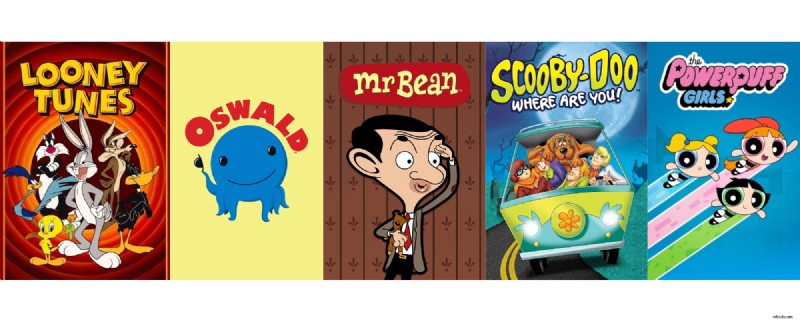
The quiet hum of the TV, the first few notes of a theme song you still recognize, and the animated world that felt like home.
That magic is 2D animation in action. It’s what brought your favorite characters to life, frame by frame, making them jump, dance, and tell unforgettable stories.
And the best part? That charm remains alive today.
In this article we explore:
- Definition of 2D animation
- History of 2D animation
- Best 2D animation software (with G2 ratings)
- Applications
- Advantages
- Challenges
- Future of 2D animation
Let’s dive into the fascinating world of 2D animation.
What Is 2D Animation?
2D animation creates motion in a flat, two‑dimensional plane—height and width. Whether produced frame‑by‑frame or through digital tweening, it animates characters, objects, and backgrounds on a single plane, unlike 3D animation which adds depth.
From cartoons to explainer videos, advertising, and indie games, 2D animation breathes life into stories with expressive, hand‑drawn or computer‑generated motion.
History of 2D Animation
1900s – Hand‑Drawn Beginnings
- Early pioneers experimented with sequential drawings to create motion.
- Émile Cohl’s “Fantasmagorie” (1908) became the first fully animated film, featuring 700 individual frames on glass plates.
- The chalkboard look was achieved by inverting black ink on white paper in post‑production.
1920s – Studio Boom
- Disney and Fleischer Studios pushed creative limits.
- Disney’s “Steamboat Willie” (1928) introduced synchronized sound, revolutionizing the industry.
- Fleischer produced iconic characters like Betty Boop, Popeye, and early Superman.
1930s–1950s – Cel Animation Era
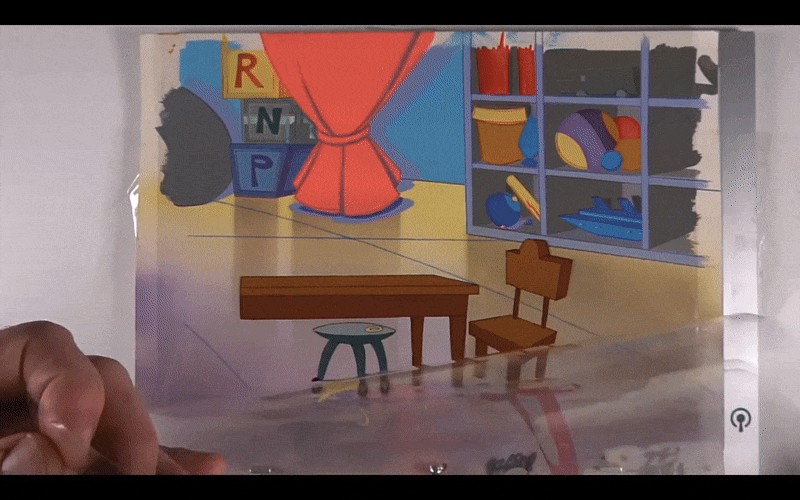
- Cel animation became standard: characters painted on transparent sheets over static backgrounds, saving time and adding depth.
- Disney’s “Snow White and the Seven Dwarfs” (1937) was the first full‑color, cel‑animated feature film.
1950s–1960s – Television Boom & Limited Animation
- TV demand spurred limited animation, reusing frames and backgrounds to speed production.
- Hanna‑Barbera led the charge with classics such as Yogi Bear and The Jetsons.
1990s–2000s – Digital Revolution
- Computers replaced traditional cel work; Adobe Flash streamlined animation.
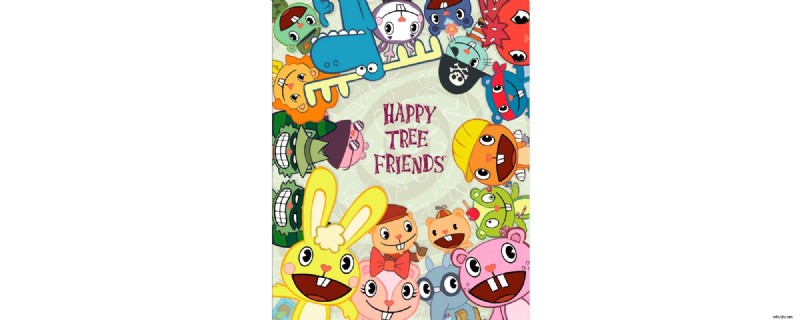
- Web cartoons like Happy Tree Friends proved independent creators could now animate.
2010s–Present – AI & Software Era
- Advanced software and AI tools automate lip‑syncing, motion, and background creation.
- Platforms like Animaker, Toon Boom, and Adobe Animate make 2D animation faster, smarter, and more accessible.
Best 2D Animation Software (G2‑Rated)
Choosing the right tool can transform your creative workflow. All tools below are backed by verified G2 ratings.
1. Animaker
Web‑based platform with 30M+ users, praised for its character builder, vast asset library, and effortless workflow.
⭐ G2 Rating (Sep 2025): 4.7/5 (931 reviews)
2. Vyond
Cloud‑based tool known for simple drag‑and‑drop animations.
⭐ G2 Rating (Sep 2025): 4.8/5 (437 reviews)

3. Powtoon
Ideal for animated presentations and explainer videos.
⭐ G2 Rating (Sep 2025): 4.4/5 (233 reviews)
4. Toon Boom Harmony
Industry‑standard for TV, film, and game animation, offering powerful rigging and compositing.
⭐ G2 Rating (Sep 2025): 4.7/5

5. Blender (Grease Pencil)
While famed for 3D, Blender’s Grease Pencil allows seamless 2D drawing inside a 3D environment.
⭐ G2 Rating (Sep 2025): 4.6/5 (303 reviews)

6. OpenToonz
Free, open‑source tool used by studios like Studio Ghibli.
⭐ G2 Rating (Sep 2025): 4.4/5

7. Adobe Animate
Part of Adobe Creative Suite, ideal for interactive web animations.
⭐ G2 Rating (Sep 2025): 4.1/5 (162 reviews)
Applications of 2D Animation
From entertainment to education, 2D animation powers:
1. Films & TV Shows
Classic cartoons like Tom & Jerry and modern hits like Rick & Morty. Studio Ghibli’s “Spirited Away” showcases how hand‑drawn art can convey deep emotion.
2. Animated Explainers
Channels such as Kurzgesagt use motion graphics to simplify science, tech, and global issues.
3. Music Videos
Artists use 2D animation for visually striking videos, e.g., Childish Gambino’s “Feels Like Summer” with saturated colors and symbolic visuals.
4. Training & Corporate Learning
Animated modules keep learners engaged and boost retention. Platforms like Animaker enable professional training videos.
5. Gaming
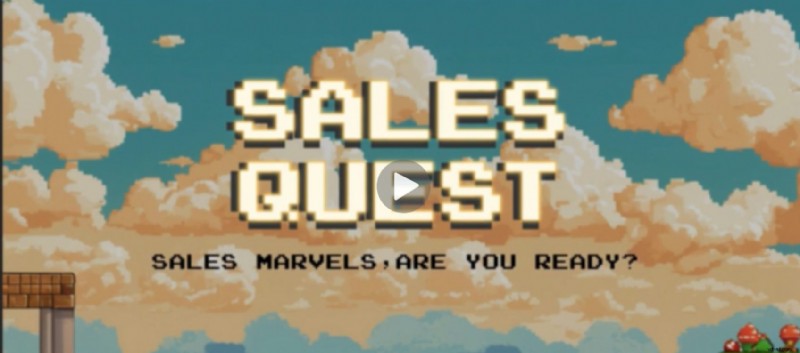
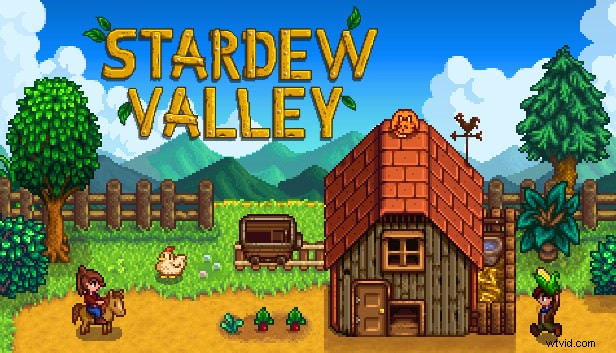
Indie and mobile games rely on 2D animation for distinctive art styles. Stardew Valley exemplifies how simple graphics can deliver rich experiences.
Advantages of 2D Animation
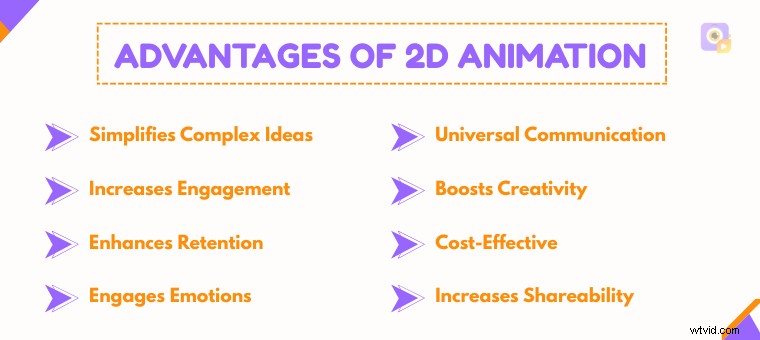
- Simplifies Complex Ideas – Transforms abstract concepts into clear visuals.
- Increases Engagement – Dynamic motion naturally draws viewers’ attention.
- Enhances Retention – Visual storytelling boosts recall and action.
- Engages Emotions – Expressive characters and color evoke strong connections.
- Universal Communication – Transcends language and cultural barriers.
- Boosts Creativity – Frees artists to experiment with styles beyond live‑action.
- Cost‑Effective – Eliminates expensive sets, shoots, and large crews.
- Shareability – Eye‑catching content spreads easily on social media.
Challenges of 2D Animation
- Time‑Consuming Production – Frame‑by‑frame drawing is labor‑intensive.
- High Artistic Skill – Requires strong drawing skills for consistency.
- Limited Realism – Achieving depth and perspective is manual.
- Costly for Long Projects – Extended timelines increase budget.
- Consistency Issues – Maintaining proportions across frames demands precision.
Future of 2D Animation
The next chapter blends classic artistry with AI.
- AI‑Powered Workflows – Automate lip‑sync, tweening, and background creation.
- Hybrid 2D+3D Styles – Combine flat and volumetric techniques for dynamic visuals.
- Accessible Tools – Platforms like Animaker and Vyond democratize creation.
- Rise of Independent Creators – Affordable software and global distribution empower indie studios.
- Cross‑Industry Demand – Growth into education, marketing, gaming, and corporate training.
Final Takeaway
We’ve covered the definition, evolution, top software, applications, benefits, challenges, and future of 2D animation. Understanding these facets equips creators and businesses to craft stories that captivate, educate, and inspire worldwide.
Explore the possibilities and start creating impactful narratives today.

Shreshtra
Shreshtra is a Content Marketer at Animaker, helping creators and businesses bring stories to life with 2D animation for 3+ years. She has guided Animaker’s community growth from 18M to 30M+ users worldwide with SEO‑driven, easy‑to‑follow guides. Her expertise spans AI voice tools, subtitle generators, and the latest in video creation technology, making animation simple, fun, and accessible. She also writes extensively on how animation transforms learning & development and highlights Animaker’s impact in the corporate space. When not writing, she enjoys thriller novels and K‑pop playlists, believing that the right video can connect people across the globe.