

July 14, 2025 • Proven solutions
Macro videography is the art of bringing the unseen world into focus—whether it’s a delicate flower bud, a mote of pollen, or a crawling insect. It demands a blend of technical mastery and creative vision to reveal the hidden beauty of nature.
For those already comfortable with photography, macro video feels like a natural extension of the same skill set. By understanding the unique challenges of motion and lighting, you can quickly translate your expertise into captivating video.
6 Essential Tips for Capturing Stunning Macro Videos
While macro photography often relies on still lighting, macro videography must cope with continuous movement and varying light sources. Below are proven strategies to help you navigate these challenges.
1. Master the Light
Lighting is paramount in macro video. You need sufficient illumination to expose fine detail without overheating delicate subjects. LED lights are a popular choice because they emit less heat and can be dimmed for precise control.
When shooting reflective surfaces, use diffused light—such as a paper cone or softbox—to reduce glare. A ring of LED lights around the lens can provide uniform, close‑up illumination that keeps your subject in sharp focus.
2. Use a Tripod or Stable Mount
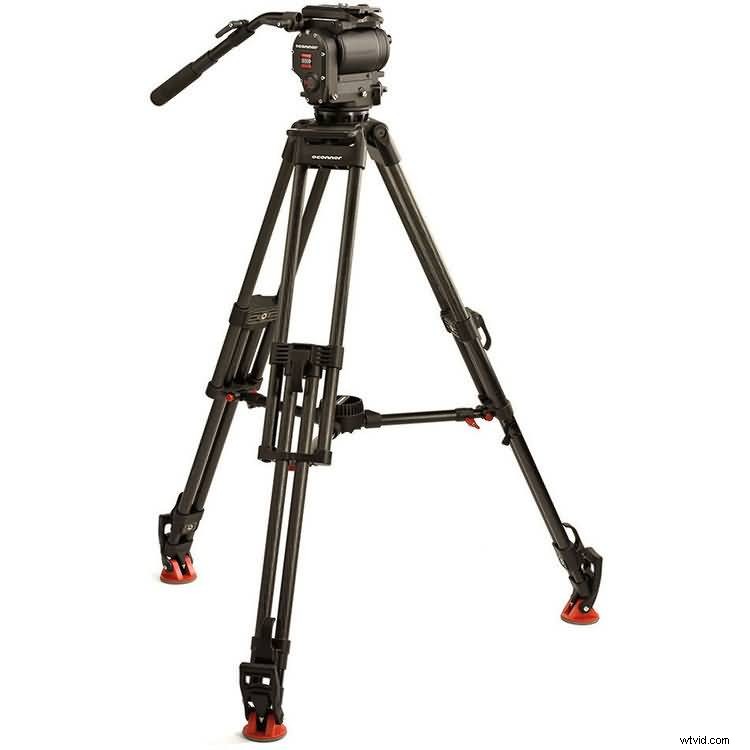
Even slight camera shake ruins macro footage. A tripod keeps the camera steady and allows you to lock focus at close distances. For creative angles, consider bracing the camera on natural or man‑made surfaces, but always test stability before recording.
3. Choose a Complementary Background
Macro shots naturally blur the background, but its color and texture still influence the overall composition. Select a background that contrasts or harmonizes with your subject to enhance visual impact.

4. Equip the Right Camera and Lens
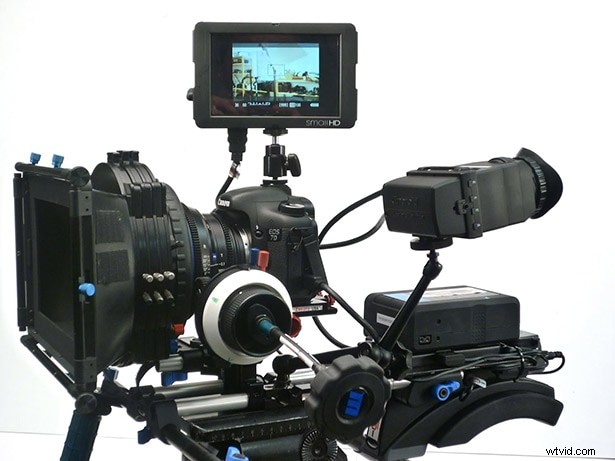
Digital SLRs paired with macro lenses are ideal for video due to their optical quality and focus precision. Canon users might opt for the 100 mm, 180 mm, or 65 mm MP‑E macro lenses. Adding an extension tube can increase magnification but will narrow depth of field, so use it sparingly.
5. Control Depth of Field
Depth of field (DoF) determines how much of the scene remains in focus. A smaller aperture (larger f‑number) yields a deeper DoF, but also requires more light. Balance aperture settings with your lighting to keep the subject sharp while maintaining exposure.

6. Plan Your Composition and Timing
Low light can make it difficult to keep moving subjects in focus. Anticipate motion paths and shoot from angles that keep the subject’s critical features within the focus zone. For instance, film a snail crawling perpendicular to the camera to maintain full focus throughout its movement.

Conclusion
By mastering these six techniques, you’ll be equipped to create professional‑grade macro videos that showcase the intricacies of the natural world. Practice, experimentation, and thoughtful composition will transform your footage from simple recordings to compelling stories.
Ollie Mattison
Ollie Mattison is a writer and a lover of all things video.
Follow @Ollie Mattison