
How are you getting people to look at and engage with your work? This is something we all have to think about constantly in today’s visually saturated market place. It’s why it’s all the more important to look at – and learn from – those producing stunning and engaging work. Let me introduce you to Leonardo Dalessandri, and his latest project “Watchtower Of Turkey”, a video that he worked on over the course of a year and quite possibly some of the best visual media you’ll see in 2015.
Leonardo Dalessandri, is the young Italian film maker and photographer who has put together ‘Watchtower Of Turkey’, one of the most beautiful, touching and engaging videos I’ve seen in years.
The video truly marries stills photography (through time lapse and hyperlapse) and motion together. It really elevates these individual components to be more than the sum of their separate parts. To date, 2.4million people have watched the video in the last 4 months, since it was released in October 2014.
So just how did he create it, and why has it been so well received? Crucially, what can we learn from Leo to apply to our own work? These were the questions we got into through the course of an hour long interview.
1). It Starts With A Commitment To The Project
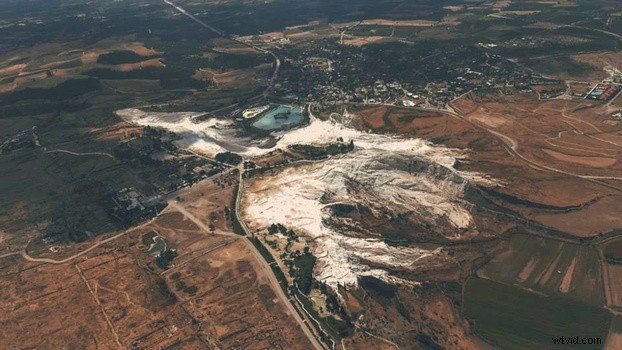
Watchtower Over Turkey was shot over a month long trip through Turkey, and took in the region of 40, twelve hour days for post production work. This was all a personal project that Leo committed to.
Takeaway – Leo was totally self-motivated to see the project through from start to finish. Find a project you’ll be interested in, as you’ll be far more likely to finish it. His hard work and persistence on both this project and his previous Watchtower Of Morocco project, demonstrates the commitment we all need to have to see projects through.
2.) Put Your Soul Into Your Work
Clearly, Leo has a way of connecting with people. He tells his story of a place through other people – what he sees and observes, and through his interactions. Through these connections, his story telling images comes out. He gets excited and tells me about the highlight of his project:

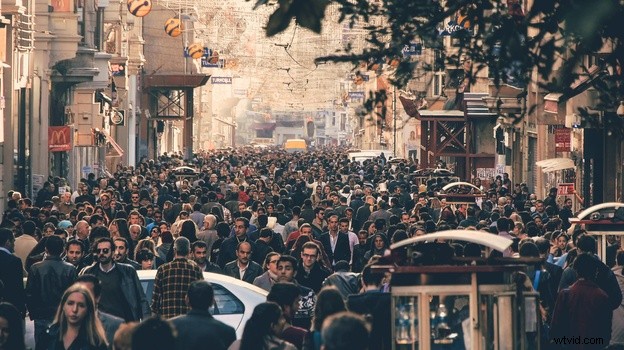
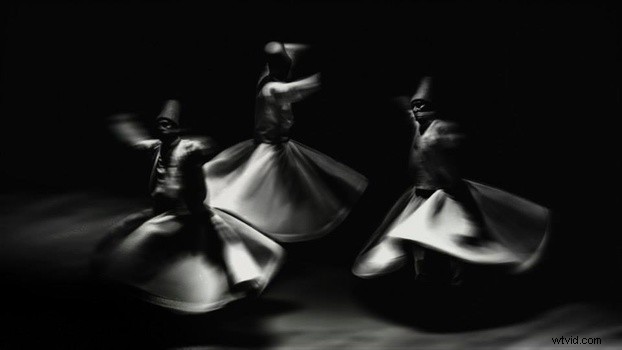
Takeaway – Leo’s work is beautiful but it goes much deeper than the surface level beauty. It has soul. How you want to define soul is up to you but we must ALL try to impart some of ourselves into our work – this is our voice, our way of seeing and our way of feeling. If you can do this, and do it consistently you WILL be successful.
Leo told me he has and is constantly being approached by high-end clients (he is working for Google right now on a project he couldn’t tell me about). What do they all have in common? They are all crying out for him to bring his soul and vision to their own work.
3.) Seek Inspiration (From More Than Your Peers)
Leo clearly has an outlook on life that is open to learning and constant change.
Takeaway – Leo told me that musical discovery had been an important part of his life since he was a young child, dancing and listening to his father’s, Led Zeppelin, Santana and Jimi Hendrix records when he was very young. All art can influence our work though. Photography and videography are ways for us to simply tell a story, sell a product, show an emotion, and other art forms can do the same. It’s important to look at more than just other photographers or film makers and find out which other artists inspire you, to work out why it is you get inspired by them and how they make you feel – then incorporate that into your work in whatever way you can. This is what leads to truly interesting, innovative and engaging work.
4.) Having A Plan - But Being Free To Explore
Any shoot you go into you should have a clear plan – know what your client wants and go in to get those shots. But it’s the other stuff, the things you are open to, but can’t really predict which are the elements you bring uniquely to what you shoot. Whether it’s photos or video, always be open to going off the path once you’ve got what you know the client will want and look to bring some of that unplanned element into the final production. It’s the small unexpected elements that surprise both you and your clients that you can’t plan for but are like little nuggets of gold waiting to be discovered.
5.) Not Much Gear, But A Clear Idea
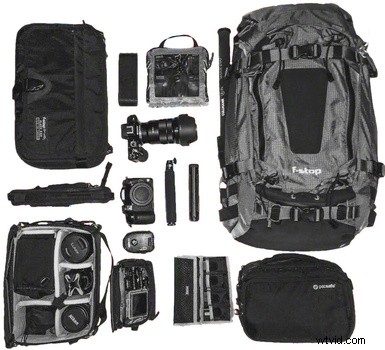
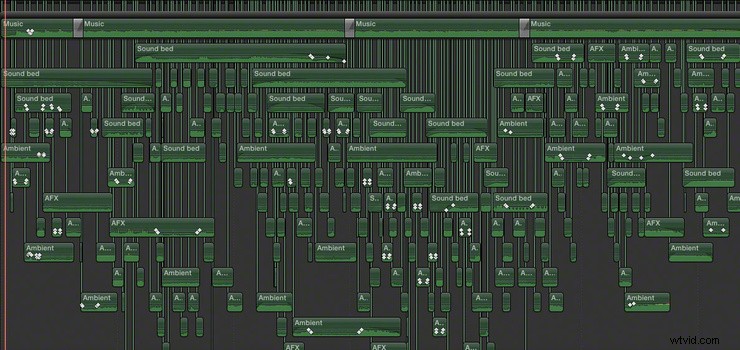
What you can do now with a small bundle of gear is incredible and Leo’s Watchtower videos are testament to this. What is very clear is the extent of the post production work that Leo undertakes after the initial footage has been captured.
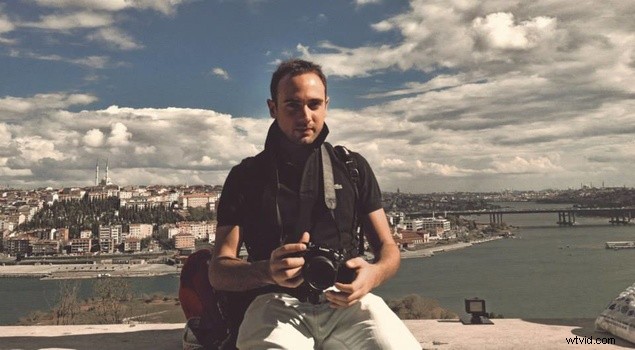

Takeaway - this idea is really simple but ingenious. Leo’s desire to get more of a consistent look between his stills and video led him to experiment and find out ways to bring this consistency to his work. Sometimes it’s easy to get lost in the technology and what it does, or how we do it, but playing and experimenting like this often leads to the happy accidents that can help take our work in the direction we really want it to go. Never feel enslaved by the technology we use, it’s all really just a set of tools to better illustrate your vision.
6.) Use Your Work To Give Back To Your Audience
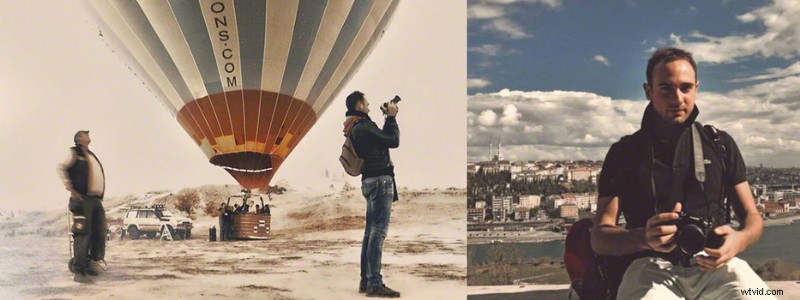
Takeaway - when was the last time you felt you owed it to your audience to give them something back by viewing your work? This is both incredibly humbling but also an incredibly powerful way to look at the purpose of our work. If our main aim is to always give something to our viewers, how can we possibly lose? I’m not talking about diluting your work to make it all things to all people – I think we all know that’s neither possible. But if we can try and imagine what a viewer our work might enjoy or get out of it, and construct around how we can deliver that, then we set the foundation for developing a strong emotional bond and engagement with out audience.
Final Thoughts
It’s obvious Leonardo is doing all of the things I’ve outlined here to an exceptional degree. But I asked him, if there was one thing that he valued above all else, in his work, and in the work of others, what would that one thing be.
I think it’s fair to say that above all else, Watchtower of Turkey is hugely innovative. So the key here is to focus on innovation.
But let’s end here with a clear point. Without a clear idea of a committed approach to putting the essence of you into you work, being inspired by other artists, using gear effectively while not relying on it, and always looking to capture something in a new way, we can never hope to tap into something innovative, or at least not in a sustainable way.
If you want to learn more from Leo on the technical side as well as see how he transitioned so beautifully throughout the project, you might always want to check out an interview he did at FCP.Co which I can definitely recommend.
Would love to hear back about what you thought of this video, drop us a comment below and let us know!