
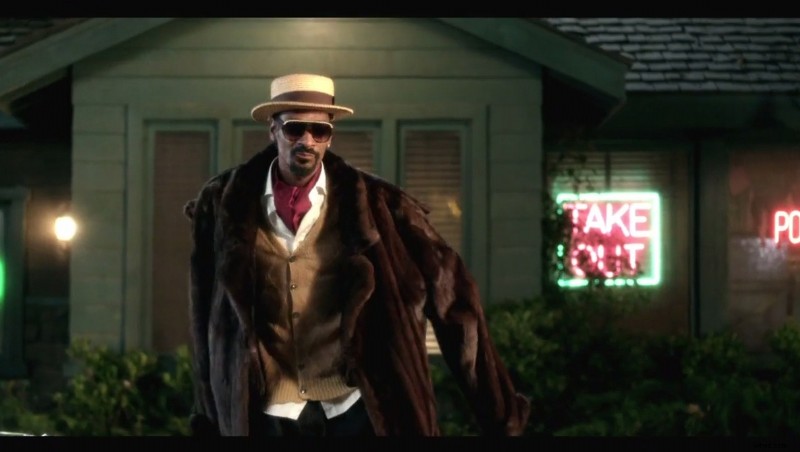
Excuse me a moment while I try and reassemble my brain, it’s kind of just been blown by the video reel I’m about to talk about. While I collect my senses, feel free to join me as I showcase this piece of artistic genius and the talent of the young lady who put it together. This might just be the most insane, joyous 50 second video you’ve ever seen.
As photographers we use our portfolio to get work. It should show our work, our style and our aesthetic. For those of us who shoot video, our reel does exactly the same thing.
Earlier this year I put my own reel together of my fashion and commercial work, which you can see below:
As I spent the final moments finishing it up and exporting it, I felt pretty good.
Then I came across this reel, showcasing the work of an agency, Digital Kitchen. Suddenly my own reel seemed like something that had put together by a blind, deaf, dumb antelope that had just spent a week on a healthy mix of hallucinogens and vodka.
You may not have heard of Digital Kitchen (DK), the creative agency with offices dotted around the US. You probably don’t know Camille Durand, the editor who cut that reel together. It is quite obvious though that they both do fine work.
I’d never heard of them before either but their work had been showcased absolutely brilliantly in that short 50 seconds of genius. It’s the perfect example of what a reel can – and should – do when designed well. It sells the work of those it represents perfectly, utilizing the concept of aural and visual synesthesia to showcase talent of the agency.
It’s no wonder DK has clients like BMW, Wholefoods, Microsoft and adidas working with them, their client list is ridiculously impressive.

What does this mean for you and how you showcase your own work? I spoke to Camille to find out what I could, and it turns out there are five key areas to focus on if you want to try and bring this sort of vitality to your own work
1.) You Must Hone Your Craft To Own Your Craft
The ability to curate your work – the make selects, edits and sequence it - isn’t something you develop over night. You have to put in time to develop your vision. In Camille’s case, her background and formal training in the arts helped provide a strong foundation, and has spent 5 years working at DK and editing for them.
She received her Bachelor and Master degrees in Art and specialized in video installation She also spent time in Paris studying for a Masters in Design Interface for Web and Interactive Content.
But she didn’t just rely on formal training as she explained:
Formal foundation can be useful for some, but we all really have to practice and experiment to forge a clear vision. There is a connection between Camille’s earlier work and the concept of motion and synchronicity, and how it’s reflected in the reel she created for DK.

2.) Collaboration Is Key
Whether you are formally trained or not, matters less than who you have around you, and how you work with them. Camille, originally from France, has been in Seattle since 2009. After interning for several months at DK, she ended up on a 9 month apprenticeship with the lead editor, Shawn Fedorchuk, who had a large hand in the creative direction and edited the opening titles for True Blood.
Camille explains this sense of collaborative working:

3.) Have A Process But Stay Open To 'Happy Accidents'
Camille explained her process that helps her structure her work while maintaining an open mind and eye for those moments you can’t plan for, but might elevate the work you’re showcasing.
How the video works with the audio is critical for a good reel and engaging your audience.
4.) Hard Work Pays Off
This might be common sense, but what do I mean by "hard work"? For the 50 second DK reel video, Camille recalls she spent about 60 hours of work to get it from start to finish. Yes, SIXTY hours.
This effort totally pays off as the end product shows some masterful segues between aspects, like using dance as a link from one clip to another


Is 60 hours too much? For some, it wouldn’t be enough. Our reel (or book) is our calling card, and not doing out work justice is simply not an option. Put in the work and you’ll be rewarded for it.
5.) See Your Work With Fresh Eyes
Perhaps one of the most difficult things we can do is to look at our own work with fresh eyes. Camille said this was key for her, especially after spending so much time on the work.


She has a few techniques she mentioned that helps her to keep looking at the work in a fresh light:
Final Thoughts
This reel was easily the best example I’ve seen of “showcasing” for as long as I can remember. It begs to be watched, rewatched and studied. I counted over 100 clips in this video, and not one of them felt too long or too short, or even out of place.
If the job of the editor is not to be noticed, Camille has excelled, and rewatching it delivers the rewards of being able to understand the vision she had for the piece.
Camille has shown us that no matter what work you’re showcasing, through collaboration, experimentation, tapping into your own vision and being open to chance, we can all showcase the best of our own work. Above all, work hard and don’t settle for showcasing your talents at any less than the clients you want to win would expect, and always, always take a moment to step back and re-evaluate what you’re doing.
Good luck, and make sure you showcase your own work in the comments below so we can all check it
Special Thanks - Camille Durand and Will Byrne at Digital Kitchen