
Lighting is the cornerstone of compelling photography. Even with the ideal settings, exposure, and composition, a flat image can betray its potential. In this installment of the Finding the Light series, we explore how to harness every kind of illumination—especially shadows—to elevate your portraits.
To help you navigate the full series, click through the links below:
- Part 1: Finding the Light
- Part 2: Using Shadows for Dramatic Portraits
- Part 3: Shooting the Golden Hour
- Part 4: How to Shoot in Harsh Light
- Part 5: 3 Ways to Use Window Light
- Part 6: Creative Light Sources
One of the most exciting ways to inject drama into a portrait is by embracing shadows. While many photographers chase uniform light, shadows can add depth, intrigue, and a cinematic edge when applied deliberately.
Contrast
Strategic use of shadows can create striking contrast that separates subject from background, adds dimensionality, and draws the eye. In the example below, I deliberately juxtaposed the stark shadows of a garage with my daughter bathed in mid‑day sun. The resulting interplay of light and shade gave the image a dynamic, almost sculptural quality.
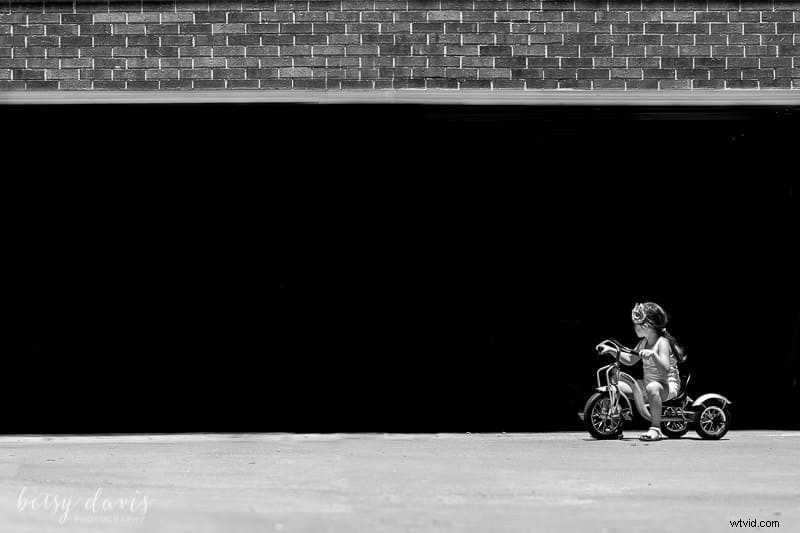 f/2.8, ISO 100, 1/3200
Another illustration shows how highlights and shadows can frame a moment of action, guiding the viewer’s focus and emphasizing motion.
 ISO 100, f/1.6, 1/6400
Silhouettes
Silhouettes offer a powerful, low‑detail aesthetic that can free clients from the pressure of posing and deliver a striking visual statement. I often capture silhouettes toward the close of a session when the sun is low; the result is a memorable, relaxed portrait that stands out.
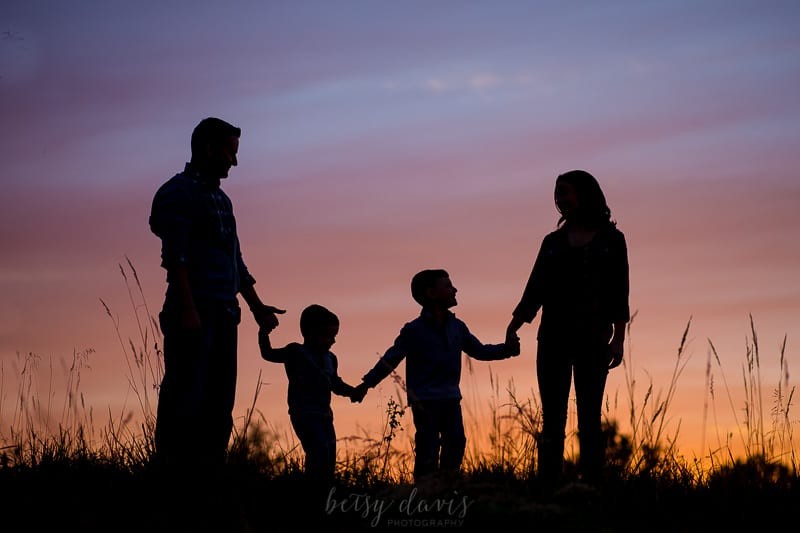 f/2.2, ISO 125, 1/500
A silhouette is achieved by placing the subject in front of a brighter source—such as the sky—and exposing for that background. In this rainy Missouri evening, the dramatic clouds became the light source, turning the subject into a bold, dark shape that told its own story.
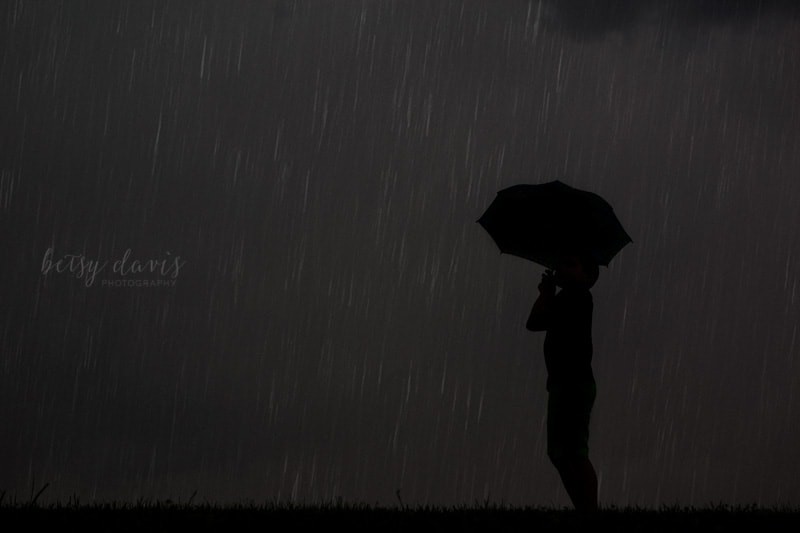
f/2.5, ISO 100, 1/800
First‑time Silhouette Shoot? Try This Quick Guide!
Dark Spaces
When you think a space is too dark to shoot, pause and search for the available light. Even in dim settings, shadows can become a creative asset. In this example, I captured a theater as stage lights flickered on, using the single light source to illuminate dancers against a dark backdrop, creating a moody, dramatic portrait.
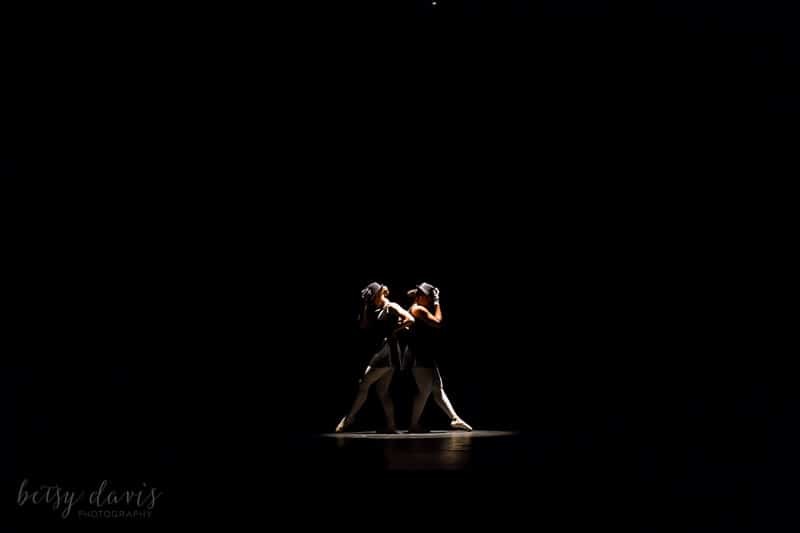 f/3.2, ISO 10000, 1/800
The same principle applies to a low‑light kitchen. While my son was perched on the counter, the soft window light streamed across his face, turning a routine night shot into a compelling, intimate portrait.
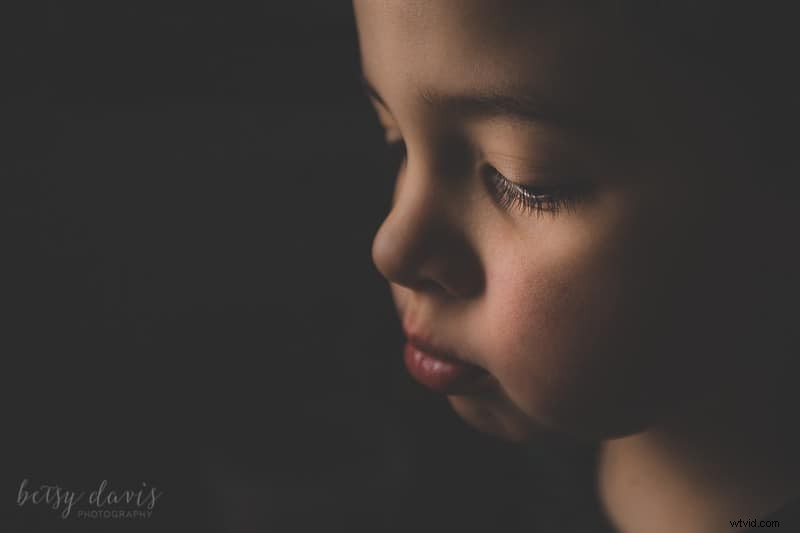 f/2.8, ISO 320, 1/200
Next time you’re out with a camera, challenge your assumptions about light. Step beyond the obvious and experiment with shadows in unexpected environments. You may discover a new creative direction that sets your work apart.
Enjoyed these insights? Continue exploring the series:
- Part 1: Finding the Light
- Part 2: Using Shadows for Dramatic Portraits
- Part 3: Shooting the Golden Hour
- Part 4: How to Shoot in Harsh Light
- Part 5: 3 Ways to Use Window Light
- Part 6: Creative Light Sources
Stay tuned for more in the Finding the Light series.