
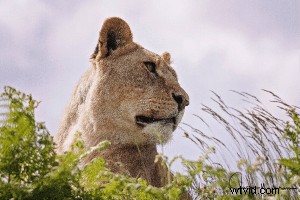
 I have guided many guests throughout Africa, from the Deserts in Namibia to the Serengeti, many that have come ill-prepared. One of the most asked questions throughout my time as a guide and even now during my talks on “Africa through my Eyes” is what is the best equipment to have when on safari?
In my honest opinion that depends on you the photographer. I have seen some with the best equipment that money can buy that cannot take a photo if their life depended on it, then have seen some with the cheapest and take stunning images. This comes down to what kit you have and how well you know how to use it.
My tips for getting the right photography kit for your African adventure:
1. Get to know your kit inside out, from what are its limits and what all the menus do and how they control your camera. Take the time to read the manual or watch tutorials online. The results will prove themselves.
2. Any SLR body will do as in today’s market they are all pretty similar with some being better than others. They can all do a decent job, even some of the secondhand cameras on the market can do the same. My camera Bodies are:
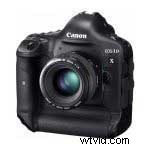 Canon 1DX. My primary camera. It’s full-frame, fast, great autofocus, good lowlight performance, and has customisable controls. This camera does everything I ask of it!
Hire the Canon EOS 1DX

Buy the Canon EOS-1D X 18.1MP Full Frame CMOS Digital SLR Camera at Amazon
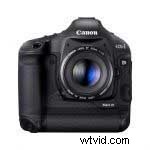 Canon 1D MkIV. My second primary camera this is built like a tank and does the job is one of the best camera’s I have ever used.
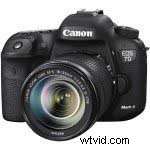 Canon 7D MkII. My new backup gives me the extra reach and a few modern touches here and there is the lightest of my cameras and after a long day helps.
Hire the Canon EOS 7D MKII
Buy the Canon EOS 7D Digital SLR Camera (Body Only) at Amazon
3. Lenses well now this is where the difference comes in, an old saying you get what you pay for. If you can afford to get the best your money can offer.
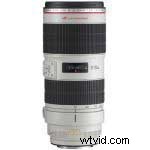 Canon 70-200mm f/2.8 II. My general purpose, medium-range zoom lens. Useful
for larger wildlife and animals in the environment-type shots
Canon 70-200mm f/2.8 II. My general purpose, medium-range zoom lens. Useful
for larger wildlife and animals in the environment-type shotsHire the Canon 70-200mm f/2.8 II
Canon EF 70-200mm F/2.8 L IS II USM Lens
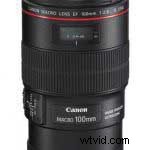 Canon 100mm f/2.8 macro lens.
The 100mm focal length is ideal for keeping you distance when photographing small critters.
Hire the Canon 100mm f/2.8
Canon 100mm f/2.8 macro lens.
The 100mm focal length is ideal for keeping you distance when photographing small critters.
Hire the Canon 100mm f/2.8
Canon EF 100mm f2.8L Macro IS USM Lens
Buy the Canon EF 24-70mm F/2.8L II USM Zoom Lens at Amazon
Buy the Canon EF 17-40 mm f/4.0 L USM Lens at Amazon
Canon 2805B003 Speedlite 430 EX II Flash Unit
5. Tools. And other bits and bobs for doing DIY stuff in the field!
6. Bean bag none specific as mine is home made can be emptied when needed to travel then filled up with uncooked rice approx 2kg.
7. Monopod (spitz Unipod to be exact) this coupled with a Beike Gimbal that can be taken off the pod and used on a homemade flat base for a wildlife hide should it be needed.
 8. Gorilla Joby pod for and SLR this is flexible and can be used in many interesting places.
Joby GorillaPod SLR-Zoom Tripod for SLR Cameras
9. Canon G12 compact camera for quick shooting and is capable in shooting raw photos.
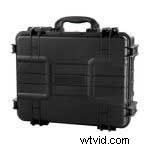 10. All my kit is housed in two hard cases all Photography kit in a Vanguard 46F Supreme case, Chargers and accessories and bits in a Vanguard Supreme 37F
VANGUARD Suitcase, Nero (Black) – Supreme 46F
11. Spare batteries at least 4 per camera and a dual charger for each.
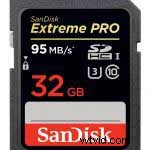 12. Sandisk Extreme compact flash cards usually carry about 10 most of which are above 32gb each.
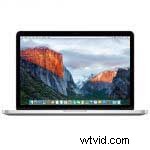 13. I also carry a 13” MacBook Pro with a Adata 1TB Shockproof Waterproof Portable External Hard Drive
Apple MF839B/A 13-Inch MacBook Pro with Retina Display (Intel Core i5 2.7 GHz, 8 GB RAM, 128 GB SSD, OS X El Capitan) – QWERTY Keyboard
ADATA HD710 1TB USB 3.0 Hight Speed IP68 Military Grade Waterproof Dustproof Shockproof Ruggedized External Hard Drive, Black (AHD710-1TU3-CBK)