
If you shoot a lot of night photography or in low-light conditions, you’ve probably found that many times your long exposures just aren’t quite working out. This can be for a number of reasons, and in this guide we’ll explain a few simple ways to improve them.
When you need to use a slow shutter speed to shoot your subject and get the result you want, there are a few things to take into account. This guide will show you what you need to do in order to use slow speeds to dramatic effect.
01 Use your camera’s self-timer to fire the shutter
Your self-timer isn’t just for self-portraits! Setting your camera to its self-timer drive mode gives you time for any camera movement caused by the act of pressing the shutter to cease before the shutter actually fires. Employing this drive mode can save a lot of images.
For an even higher hit rate, try using a cable release to fire the shutter. These are pretty cheap and will eliminate a lot of the common kinds of camera shake that can spoil an otherwise perfect image.
SEE MORE: Drive Modes Explained: when and how to use them
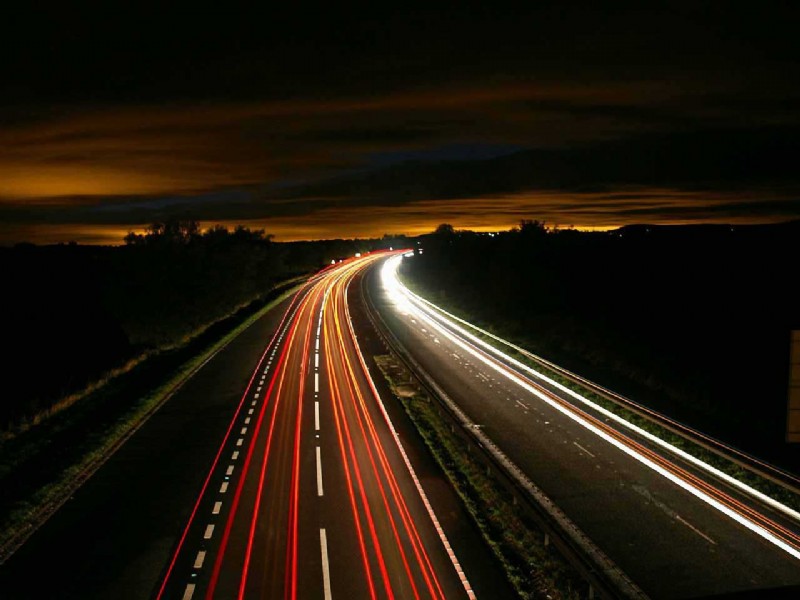
02 Use a tripod to frame your shot tightly
We all hate carrying them, but mounting your camera on a tripod just gives that extra bit of stability and far excels even the steadiest hand.
You don’t need the top of the line model, but if you shoot at night or a lot of low-light photography you do need a robust tripod. And probably that cable release as well!
03 Selective composition
Need more light? Or maybe you need less? Then move your camera! A method we often forget is the simplest: re-composing an image to avoid bright areas of sky or dark shadow areas will make it easier to get a balanced exposure.
SEE MORE: 6 photography composition techniques for more creative images
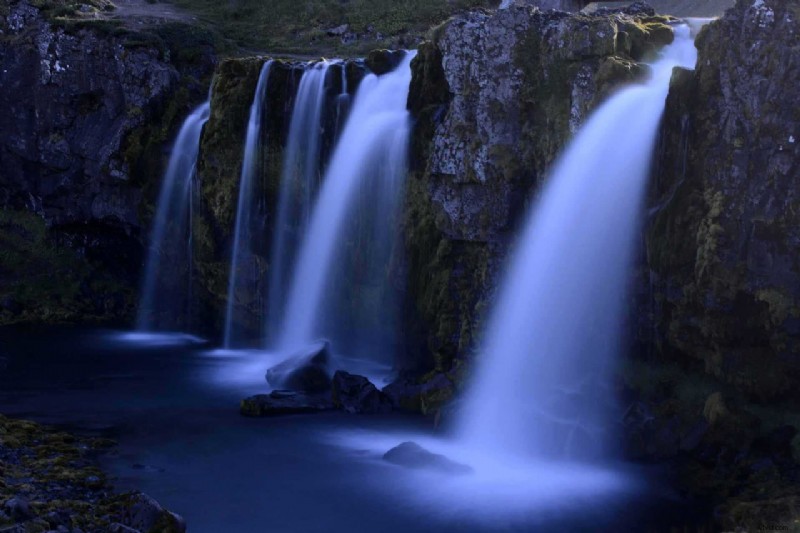
04 Use a neutral density filter or polariser
Need to shoot a long exposure in the daytime? Mounting an ND or polarising filter onto your lens will cut down the amount light that enters. This will enable you to use a slow shutter speed in the daylight.
Why would you want to do this? If you want to blur water movement, for instance, or capture the motion of the breeze within the landscape, these are classic situations when a long exposure is the only way to get the shot you want.
We recommend shooting at about ISO 100 when using a filter to help reduce the amount of noise in your images.
05 Use Av mode to set an aperture of around f/22
Another tried and tested way of getting a slower shutter speed when the light is still a bit too strong is to adjust the aperture setting in your Aperture Priority mode so that your camera will set a slower shutter speed accordingly.
This doesn’t always suit the type of picture you’re shooting, though, so take a test shot, then dial in some exposure compensation to darken or lighten the exposure.
READ MORE
8 night photography tips you’ll use forever
10 digital camera tips, tricks and truths you may not have known