
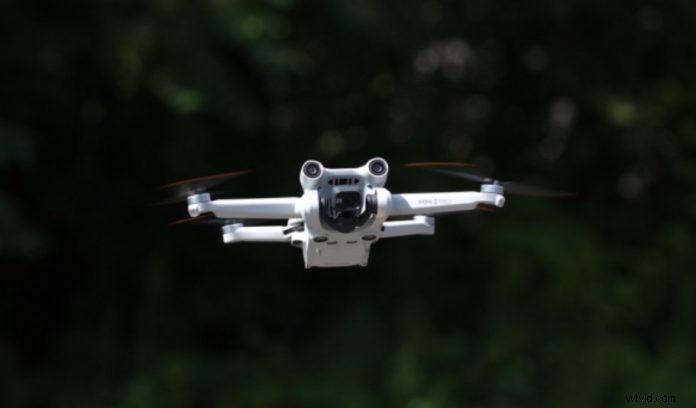
Airborne photography has moved from cinema budgets to everyday hands, thanks to the rise of consumer drones. Yet the high cost of quality models keeps many beginners on the sidelines. DJI’s latest entry, the DJI Mini 4K, flips that narrative. Priced at $299, it delivers genuine 4K footage, a lightweight frame, and the brand’s hallmark reliability—all in one pocket‑sized package.
In this review we’ll explore the Mini 4K’s key features, compare it with the Mini 3 and Mini 2 SE, and decide whether it truly earns the title of the best affordable 4K drone of 2025.
DJI Mini 4K – Core Overview
The Mini 4K is more than a rebranded older model; it’s a deliberate upgrade that slots between the discontinued Mini 2 and the newer Mini 3. It retains the Mini 2’s ultra‑compact body—just 244 g—so it stays below the 250‑gram threshold in the U.S. and many other jurisdictions, meaning no registration is required for most hobbyists.
Unlike the Mini 2 SE’s 2.7K maximum, the Mini 4K records true 4K video at 30 fps, delivering sharper, more detailed imagery—all for a $299 price point that is hard to beat.
Price & Feature Snapshot
Here’s a quick comparison of the three models that sit in the Mini lineup.
| Model | Price | Max Video Resolution | Key Features |
|---|---|---|---|
| Mini 2 SE | $279 | 2.7K @30fps | Entry‑level, no 4K |
| Mini 4K | $299 | 4K @30fps | OcuSync 2.0, QuickShots |
| Mini 3 | $419 | 4K HDR @30fps | Large sensor, better gimbal, longer flight |
For just $20 more than the Mini 2 SE, the Mini 4K offers a dramatic camera upgrade. Moving to the Mini 3 requires an extra $120, which unlocks HDR, a larger sensor, and improved flight performance—benefits that may not matter for many hobbyists.
Design & Build Quality
The Mini 4K’s silhouette is unmistakably familiar—compact, foldable, and lightweight. It fits comfortably in a small backpack or a large jacket pocket, making it ideal for on‑the‑go shooting.
Despite its size, the drone is built to withstand Level 5 wind resistance, keeping it stable in gusts up to 24 mph—remarkable for a 244‑g aircraft.
One limitation compared to the Mini 3 is gimbal flexibility: the Mini 4K only tilts slightly beyond horizontal, lacking full vertical rotation that is perfect for social‑media posts.
Camera Performance
The Mini 4K’s camera is its standout asset. With a 1/2.3‑inch CMOS sensor, it records 4K at 30 fps with a 100 Mbps bitrate—resulting in sharp, vibrant, cinematic footage that outshines many peers in its price bracket.
- Sensor: 1/2.3‑inch CMOS
- Still photos: 12 MP, JPEG & RAW
- QuickShots: Rocket, Dronie, Circle, Helix
- Panorama: Wide‑angle, 180°, Sphere
Notably, HDR video is not supported, but the color depth and clarity remain more than adequate for vlogging, social media, and personal projects.
Flight Capabilities
- Transmission: OcuSync 2.0—stable 10 km line‑of‑sight video.
- Flight time: 31 min on paper; typically 18–22 min in real conditions.
- Remote: RC‑N1C controller, requires a smartphone for the display.
While obstacle avoidance sensors are absent, QuickShots automate cinematic flight paths, allowing beginners to capture professional‑looking footage with minimal piloting effort.
Battery & Accessories
The Mini 4K is compatible with existing Mini 2 and Mini 2 SE batteries, easing upgrades.
DJI offers a Fly‑More Combo for the Mini 4K that includes:
- Three batteries
- Two‑way charging hub
- Shoulder bag
- Spare propellers and accessories
This bundle boosts flying time and is ideal for extended shoots or travel.
Mini 4K vs Mini 3 – Key Differences
| Feature | Mini 4K | Mini 3 |
|---|---|---|
| Video Resolution | 4K @30fps | 4K HDR @30fps |
| Sensor | 1/2.3‑inch CMOS | 1/1.3‑inch CMOS |
| Gimbal | Horizontal tilt only | Full vertical shooting |
| Flight time | ~18–22 min (real) | ~22–30 min |
| Remote Options | RC‑N1C (phone) | RC‑N1C or DJI RC (built‑in screen) |
| Price | $299 | $419 (RC‑N1C) or $549 (DJI RC) |
Choose the Mini 3 if vertical shooting, HDR, or longer flight time is critical. For most budget‑conscious beginners seeking 4K, the Mini 4K is unbeatable.
Ideal Buyers
• First‑time pilots wanting an affordable yet capable drone.
• Vloggers and content creators desiring sharp 4K footage without premium pricing.
• Travelers who value a lightweight, portable platform.
• Hobbyists exploring aerial photography and videography.
Professionals needing advanced tracking, obstacle avoidance, or commercial‑grade features should consider the Mini 3 Pro or Mini 4 Pro.
Conclusion
At $299, the DJI Mini 4K democratizes 4K aerial videography. It combines reliable transmission, excellent image quality, intuitive flight modes, and a feather‑light frame—all of which make it a compelling choice for beginners and casual users alike.
By bridging the gap between the Mini 2 SE and Mini 3, DJI has delivered a true value champion that places premium features within reach of everyday creators.
If you’ve hesitated about your first drone purchase, now is the perfect moment to invest in the Mini 4K and start capturing the world from above.