
Drones have moved beyond hobbyist gadgets to become indispensable tools for filmmakers, surveyors, and everyday travelers. In 2025, the market is saturated with models that combine advanced optics, smarter autonomy, and longer battery life. This guide distills the noise, spotlighting the most compelling consumer and prosumer drones that deliver the best value for every type of user.
Below you’ll find a detailed breakdown of top picks—alongside key buying criteria—to help you choose the perfect aerial companion.
DJI Maintains Market Leadership
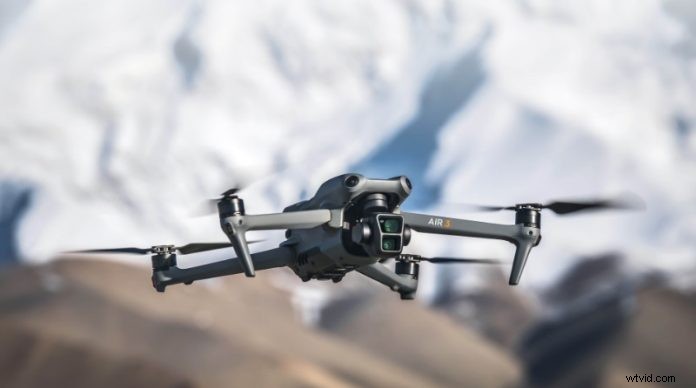
DJI Air 3 – The All‑Rounder for Creators
The Air 3 balances power, portability, and feature set into a single package. Its dual‑camera system—wide‑angle and 3× medium telephoto—offers creative flexibility without needing a second drone. With 46 minutes of flight time, omnidirectional obstacle avoidance, and 4K footage at 100 fps, it is the go‑to choice for vloggers, hobbyists, and semi‑professionals alike. The updated DJI Fly app lets pilots drag and drop tracking zones, making advanced framing accessible to beginners.
Ideal for anyone seeking cinematic quality without the expense of top‑tier gear.
DJI Mini 4 Pro – Portable Powerhouse
Weighing under 250 g, the Mini 4 Pro bypasses many regulatory hurdles while delivering premium features. It captures 4K at 100 fps, supports ActiveTrack, and incorporates omnidirectional obstacle sensing. Its vertical shooting mode is perfect for social‑media content. The trade‑off is a smaller sensor that underperforms in low light compared to larger models, but daylight footage remains excellent.
Best suited for travelers, hikers, and creators who prioritize weight and ease of use.
DJI Mavic 3 Pro – Premium Imaging for Professionals
For those demanding the highest image fidelity, the Mavic 3 Pro offers a triple‑camera rig: a 20 MP Hasselblad 4/3 CMOS sensor, a 70 mm telephoto, and a 166 mm long‑telephoto lens. ProRes recording, up to 43 minutes of flight time, and multi‑directional obstacle sensing make it ideal for filmmaking, surveying, and high‑end content creation. While the price is steep, the ROI for professionals is significant.
Recommended for commercial pilots, cinematographers, and serious hobbyists seeking unrivaled versatility.
Vertical Video Specialists
DJI Mini 3 – Budget‑Friendly Vertical Shooter
The Mini 3 inherits vertical shooting and a rotating gimbal from its larger siblings but lacks obstacle avoidance and advanced tracking. Its battery life can reach 51 minutes with the Plus battery. It remains the most affordable drone that supports vertical formats, making it ideal for Instagram Reels, TikTok, and other short‑form platforms.
Best for creators on a tight budget who prioritize vertical content and can manage in open spaces.
Non‑DJI Alternatives
Skydio – Autonomous Expertise, Now Enterprise‑Focused
Skydio’s consumer line has largely been phased out in favor of enterprise and defense solutions. Older models like the Skydio 2+ still appear second‑hand but lack current software updates and hardware improvements, making them less attractive for personal use in 2025.
Autel Robotics – Viable Competition
Autel’s Evo Lite+ features a 1‑inch CMOS sensor, 40‑minute battery life, and competitive camera specs. While DJI still leads in image processing and software stability, Autel provides a solid alternative for those who prefer a different brand.
Ideal for buyers seeking comparable performance while supporting a non‑DJI ecosystem.
FPV for the Adventurous
DJI Avata 2 – Beginner‑Friendly FPV
Bundled with DJI Goggles 3 and an RC Motion Controller, the Avata 2 offers a turnkey FPV experience. Its integrated safety features and robust build allow novice pilots to capture dynamic footage without the usual FPV maintenance overhead.
Suitable for creators who want immersive FPV shots but prefer a ready‑to‑fly solution.
DIY FPV – The Customist’s Path
Advanced pilots may opt to build their own FPV rigs using components from iFlight, BetaFPV, or EMAX. This route grants complete control over performance and customization but demands proficiency in soldering, flight controller setup, and software configuration (e.g., Betaflight). It is the most rewarding choice for tinkerers who enjoy hands‑on engineering.
Key Buying Criteria
- Camera Quality: Prioritize sensor size, resolution (4K+), frame rates, and color profiles like D‑Log or ProRes.
- Flight Time: Expect ~20 min on budget FPV drones to 45+ min on prosumer DJI models. Longer endurance simplifies complex shots.
- Obstacle Avoidance: Omnidirectional sensors protect beginners and are essential in cluttered environments.
- Portability: Foldable drones under 250 g simplify travel and often exempt you from registration.
- Regulations: Check local weight classes, no‑fly zones, and licensing requirements before purchasing.
- Price: Entry‑level drones start near $400; premium models can exceed $3,000. Match your budget to your needs.
Choosing the Right Drone for Your Mission
2025 offers a spectrum of options, each tailored to a distinct purpose. The DJI Air 3 stands out as the most versatile mid‑tier choice, blending power and affordability. For travel and social‑media creators, the Mini 4 Pro delivers compact excellence. Professionals seeking top‑tier imagery will find the Mavic 3 Pro unmatched. And for adrenaline seekers, FPV drones like the Avata 2 provide immersive experiences.
Whatever your niche, the skies are now more accessible than ever.