
In the UK, spring blends hopeful sunshine with occasional rain, signalling the end of the dark season and a fresh start for photographers. Each daylight period offers distinct lighting qualities that, when understood and harnessed, can elevate your images. This guide walks you through the key spring light moments—blue hour, golden hour, morning and afternoon, midday, and overcast conditions—and shows how to capture their unique moods.
Blue Hour
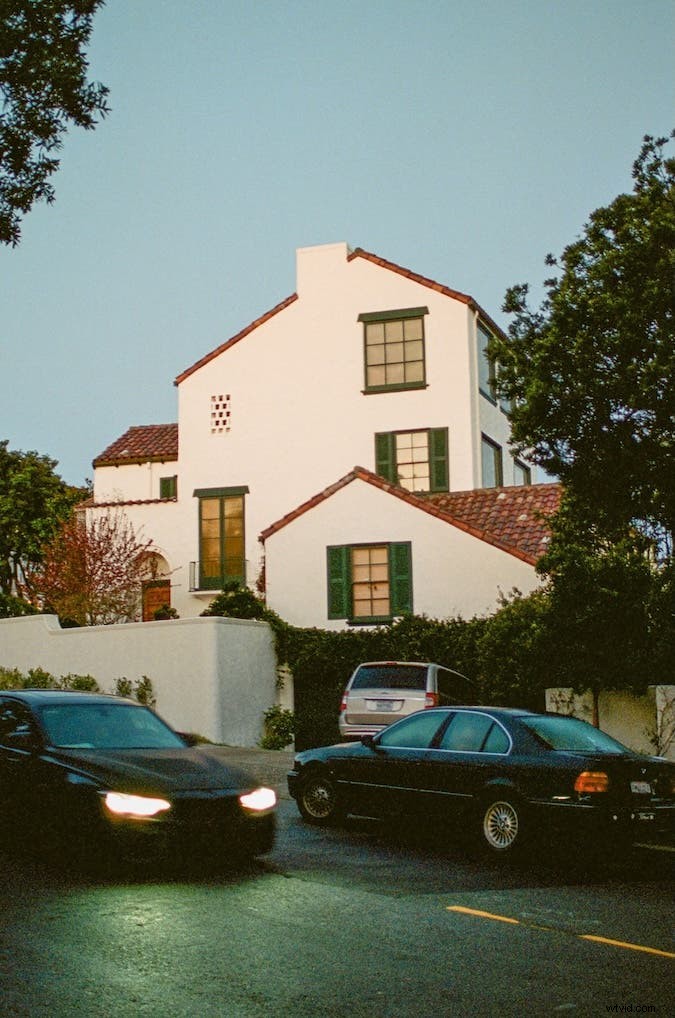
Blue hour arrives early in the morning, typically between 6:30 am and 7:00 am, when the sun is still below the horizon. The sky takes on a soft, cool blue hue, and because it’s early enough to keep crowds minimal, it’s an excellent time for portraits and landscape photography. In the evening, blue hour reappears around 8:00 pm, making it a convenient partner for an evening walk or a relaxed shoot.
Tip: Aim to shoot during the mid‑blue‑hour window rather than the very early 4:30–5:00 am hours, when the light is too weak to produce a full range of tones.
Golden Hour
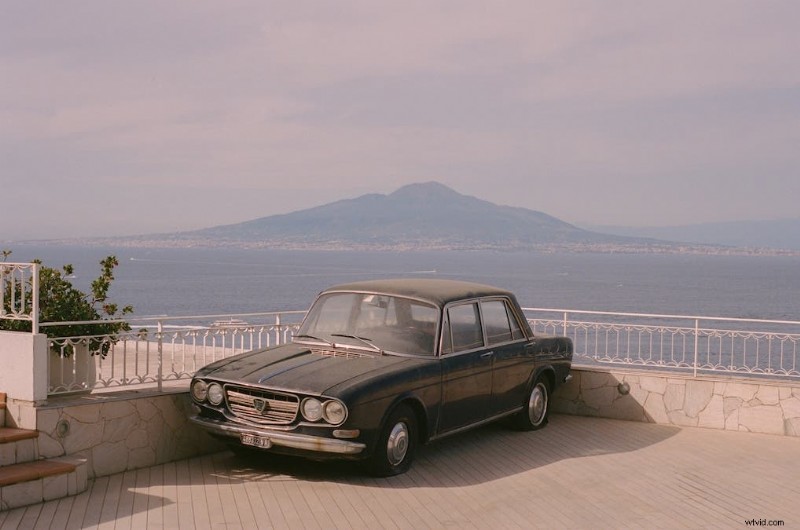
Just after blue hour, golden hour follows around 7:00–7:30 am, bringing warm, golden tones that soften skin and create depth. The sun’s lower angle provides directional light that highlights textures and layers. The same effect is available in the evening as the sun dips, so you can plan a shoot around sunset if you prefer a warmer palette.
Practical tip: Position subjects with the light on their side or behind them to accentuate shadows and create a three‑dimensional feel.
Morning and Afternoon Light
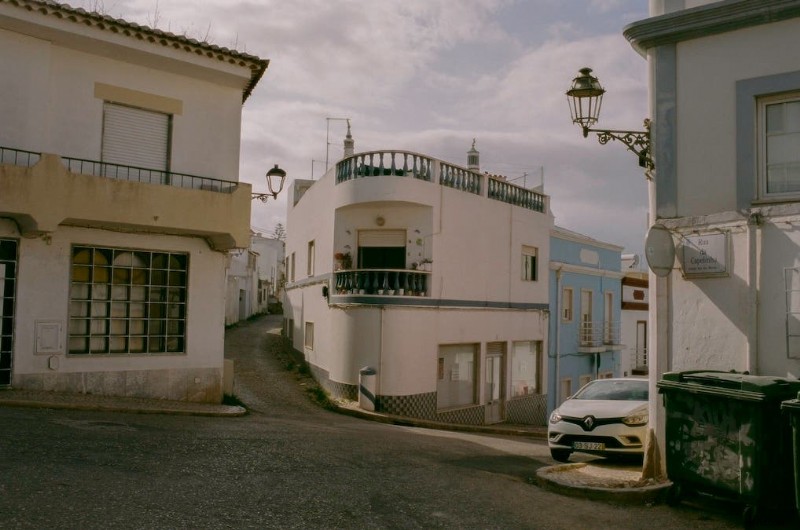
Even after golden hour, the sun stays low in the morning, and it drops quickly in the afternoon. This “low‑angle” light produces long shadows that add depth and visual interest, even if the sun is harsh. The key is to use the side‑lighting to reveal textures and contours rather than relying on harsh vertical shadows.
Photographers often schedule shoots in the early morning or late afternoon to capture this dynamic lighting. However, don’t dismiss midday shots entirely—there’s value in experimenting with these conditions as well.
Midday Sun
Midday can be challenging because the sun is high and its light is direct, creating flat, high‑contrast scenes. To work with this light, look for natural shade—under tree canopies, arches, or building interiors—to create depth and soften harsh highlights. Alternatively, embrace the flatness by focusing on strong color blocks or rich textures.
Learning to shoot in midday sun expands your versatility and ensures you’re prepared for any lighting situation.
Overcast Days
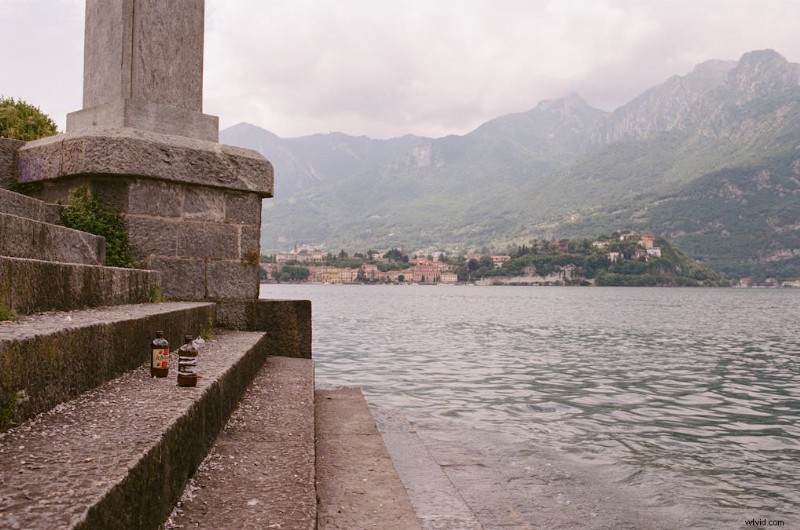
Spring’s overcast days, though grey, provide a diffused, “softbox” effect that is ideal for portraits and street scenes. The even light reduces harsh shadows and makes skin tones flattering. If you shoot digitally, exposure is straightforward; with film, consider overexposing by one stop to avoid underexposure.
These days call for a subtle, low‑contrast approach. Emphasise mood and atmosphere rather than sharp contrast, and you’ll reap the benefits of naturally diffused lighting.
Regardless of the weather, spring offers a wealth of photographic opportunities. By understanding each lighting phase and adapting your technique, you can capture images that truly reflect the season’s unique character.

Max Kent
Max Kent is a film photographer and YouTuber based in Manchester, United Kingdom. He focuses on photographic identity, creative style, and building projects into photobooks, exhibitions, or prints. His YouTube channel covers a wide variety of photography topics, as does his website. You can also find his work on Instagram.