
Choosing your first DSLR is the cornerstone of building a professional photography skill set. The same cameras that have captured iconic images for Annie Leibovitz, Peter Hurley, and Dorothea Lange are still the benchmark for beginners today.
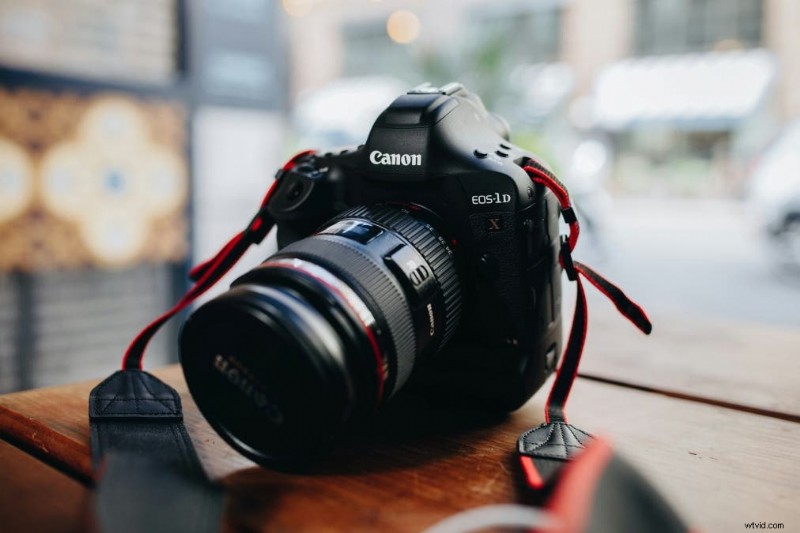 Photo by Matthew Hamilton on Unsplash
What Is a DSLR?
A Digital Single‑Lens Reflex (DSLR) camera marries the optical precision of traditional SLRs with modern digital technology. The mirror system delivers a clear optical viewfinder, while a high‑resolution sensor records the image. First introduced by Kodak in 1987, DSLRs have evolved into the most widely adopted digital cameras, offering unparalleled image quality and versatility.
Why Are DSLRs Ideal for Beginners?
Professional photographers rely on DSLRs for their full‑control exposure settings, interchangeable lenses, and robust build quality. For newcomers, a DSLR provides a hands‑on learning platform: you can manually adjust ISO, shutter speed, and aperture, or rely on auto modes when time is of the essence. The ability to swap lenses—from wide‑angle to macro—means you can explore every genre without purchasing a new body.
DSLRs also boast larger sensors than many compact or mirrorless options, delivering superior low‑light performance, high dynamic range, and long battery life. In essence, investing in a DSLR today equips you with a tool that will grow with your skills.
Key Features to Consider When Buying Your First DSLR
With thousands of models across price points, focus on the attributes that directly impact image quality and usability. Below are the must‑have features for a beginner‑friendly DSLR.
A Large Sensor
Sensor size is the foundation of image quality. Full‑frame DSLRs (36mm × 24mm) match 35mm film and offer the best light gathering. If budget limits you, aim for at least an APS‑C sensor (approx. 1‑inch). Larger pixels translate to sharper images and lower noise, especially in challenging lighting.
A High Image Resolution
Resolution determines how much detail you capture. For a first body, look for 20 MP or higher. This provides ample flexibility for cropping, large prints, and post‑processing without sacrificing clarity.
A Wide ISO Range
A broad ISO range (e.g., 100–102,400) lets you adapt to any scene. But performance at high ISO is critical; test for noise or read reviews that highlight low‑ISO noise handling. A camera that maintains detail at ISO 3,200–6,400 will serve you well in low‑light situations.
 ISO 3200 – Photo by Ahmad Odeh on Unsplash
An Advanced Focus System
Fast, accurate autofocus is essential for capturing motion. Modern DSLRs offer dozens of selectable focus points—often 50+—and group patterns that keep the subject locked. Models like the Nikon D6 (105 focus points) outperform early DSLRs with just nine points. Look for dual‑pixel or phase‑detect AF for reliable performance across all lenses.
For dynamic scenes, a camera with object‑tracking and continuous‑shoot modes (30 fps or higher) prevents missed moments.
Exhaustive Lens Compatibility
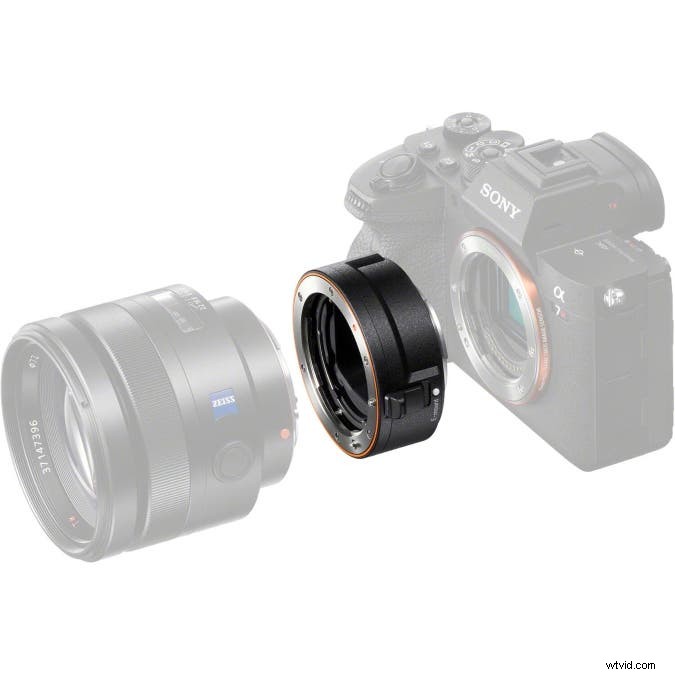
Interchangeable lenses are the hallmark of a DSLR’s versatility. Ensure the body supports a wide range of prime and zoom lenses, including specialty optics like macro or fisheye. Major brands—Canon, Nikon, Sony—offer extensive lens ecosystems, and third‑party manufacturers often produce compatible options. Check the lens mount (e.g., Canon EF, Nikon F) before purchasing.
In rare cases, an adapter can bridge incompatible systems, but verify that it preserves electronic communication to maintain autofocus and metering.
A Robust and Ergonomic Design
DSLRs are heavier than mirrorless cameras, so ergonomics matter. Choose a body that feels balanced in your hands, offers customizable button layouts, and is weather‑sealed for outdoor shooting. Durable construction, a full‑range of manual controls, and a long‑lasting battery will keep you productive across seasons.
 Photo by Marco Haber on Unsplash
Tips for Choosing Your First DSLR Camera
Because many DSLRs share similar core functions, focus on performance quality rather than price alone. Spend the higher portion of your budget on a body that can grow with your evolving needs. Pair it with a suitable lens—whether a kit zoom for versatility or a dedicated prime for portraiture—to maximize early learning.
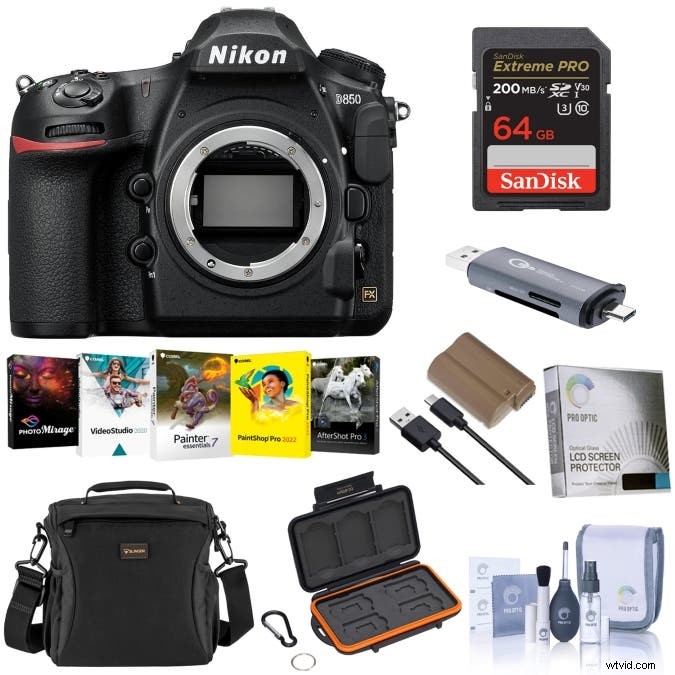
Bundled packages that include essential accessories (memory card, battery, cleaning kit, tripod) often provide better value than buying items separately. Consider a bundle that also offers photo‑editing software, as post‑processing is an integral part of the workflow.
Seek guidance from mentors or photographers whose work you admire. Their recommendations can illuminate brand preferences, preferred lenses, or shooting techniques that align with your creative goals.
Final Thoughts
Acquiring your first DSLR is both an exciting and strategic decision. A newer, feature‑rich model will accelerate your learning curve and serve you for years, freeing you to focus on composition and creativity instead of equipment limitations.

Peter Dam
Peter Dam is a professional nature photographer with over 10 years of experience in wildlife, corporate, and video production. He shares practical photography tips and stories on his website and YouTube channel.