
For over a decade, photographers have debated whether a camera with a mirror is still relevant. By 2025, the trend is unmistakable: major manufacturers are phasing out DSLR lines in favor of mirrorless systems, while the DSLR’s loyal fanbase remains strong. Below is a comprehensive, unbiased comparison to help you decide which camera aligns with your shooting style and budget.
Mirrorless Cameras Lead the Pack in 2025
Mirrorless bodies dominate today’s releases thanks to their compactness, advanced features, and evolving lens ecosystems. The key advantages include:
1. Electronic Viewfinder (EVF) – Real‑Time Preview
Unlike optical viewfinders, EVFs display a live preview of exposure, white balance, and depth of field, allowing you to verify settings before you shoot. This is especially valuable in fast‑moving or low‑light situations.
2. Superior Autofocus
Mirrorless systems now employ full‑frame phase detection, real‑time eye tracking, and face detection, delivering split‑second focus accuracy that even professional sports and wildlife photographers trust.
3. Compact, Lightweight Bodies
By eliminating the mirror mechanism, manufacturers produce cameras that are noticeably smaller and lighter than their DSLR counterparts—ideal for travel, street photography, and everyday carry.
4. Advanced Video Capabilities

Higher‑resolution video, in‑body image stabilization, and features such as 4K recording and advanced color science make mirrorless gear the preferred choice for content creators and filmmakers.
DSLRs Still Hold Their Ground in 2025
Despite mirrorless dominance, DSLRs offer attributes that many experienced photographers still value:
1. Zero Latency Optical Viewfinder
DSLRs provide a direct optical view without the lag inherent in EVFs, giving a natural, battery‑free visual experience that many find intuitive.

2. Superior Battery Life
Because the optical viewfinder does not consume power, DSLRs typically last longer on a single charge—an advantage for extended fieldwork or remote shoots.
3. Rugged Build Quality
DSLR bodies are designed for durability, with robust housings that withstand harsh environments and heavy use. Their proven reliability makes them a trusted choice for professionals on the go.
Challenges Facing Mirrorless Systems

Mirrorless cameras are not without flaws. Latency can still affect the shooting experience, and the growing lens lineup remains costly and, for some, limited in comparison to legacy DSLR options.
Choosing the Right Camera in 2025
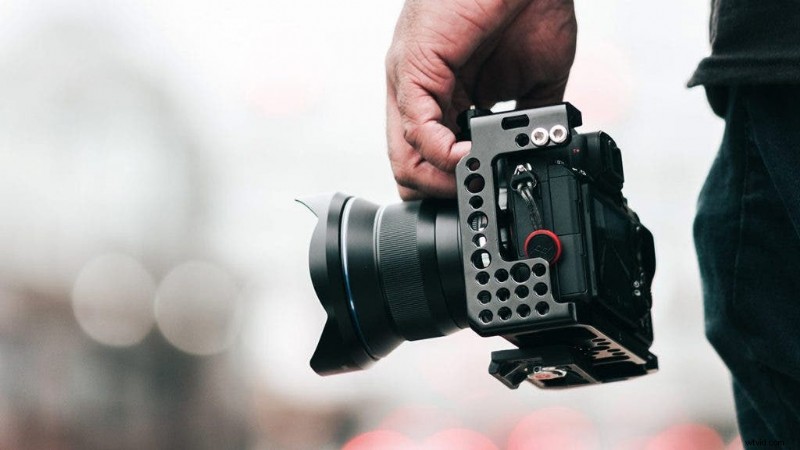
Ultimately, the decision hinges on your priorities:
- Future‑Proofing: Mirrorless offers the latest features, broader video support, and a rapidly expanding lens ecosystem.
- Budget & Accessibility: DSLRs remain more affordable for beginners and those seeking a long‑term, reliable investment.
- Portability: If weight and size are paramount, mirrorless wins hands down.
- Durability & Battery: DSLRs excel in ruggedness and field‑ready battery life.
For most photographers aiming to stay current with evolving technology, a mirrorless system is the logical choice. However, DSLRs still offer solid performance, especially for newcomers or budget‑conscious users.
Final Verdict: Is the DSLR Dead?

No. The DSLR remains a potent, dependable tool—especially for those who value optical viewfinders, durability, and cost‑effective gear. Yet, as the industry shifts toward mirrorless, the latter is the future‑ready option for professionals and enthusiasts alike.
Remember, the most critical factor is the photographer, not the camera. Choose the system that best fits your workflow and vision.