
Zeiss brings high‑performance manual‑focus lenses directly to Sony A7‑series cameras—no adapter required.
By Stan Horaczek | Published Sep 2, 2014 6:24 PM EDT
We may earn revenue from the products available on this page and participate in affiliate programs. Learn more ›
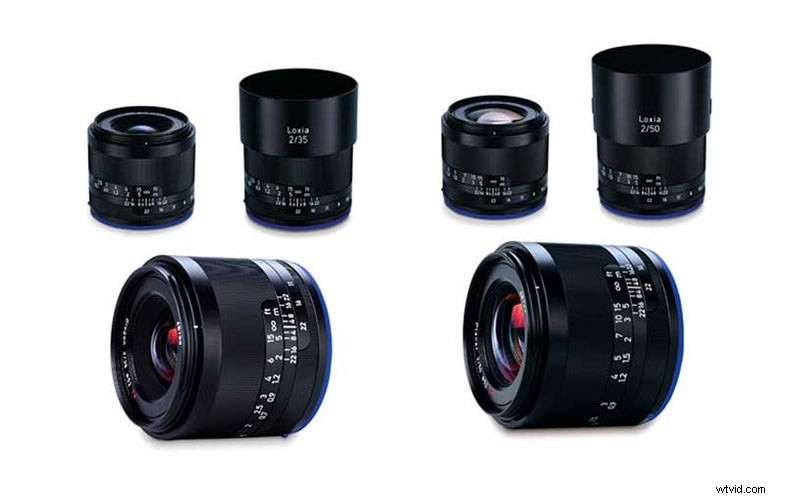
When Zeiss launched the Touit lenses for mirrorless systems, the optics were impressively sharp and contrasty, but the autofocus felt tacked‑on and sluggish. The new Loxia line returns to Zeiss’s renowned manual‑focus heritage, specifically engineered for the full‑frame Sony A7 series.
Available in two focal lengths—an f/2 35 mm and an f/2 50 mm—both lenses are ideal for street photography. Though fully manual, they include an electronic interface that sends lens metadata to the camera for accurate EXIF data.
The focus ring offers roughly 180° of rotation, allowing fine‑tuned adjustments and compatibility with the electronic viewfinder’s zooming features. Zeiss’s traditional focus feel is preserved: the ring is firm and tactile, ideal for precise manual focus.
The built‑in aperture ring features click stops, but can be turned off to provide a smoothly variable aperture for video work, adding a vintage tactile touch to modern shooting.
The Loxia 2/50 employs a Planar design with six elements in four groups, while the 2/35 uses a Biogon design featuring nine elements in six groups.
Both lenses were slated for release before the end of 2014. Pricing is more accessible than Zeiss’s flagship Otus, with the 2/50 launching in October at $949 and the 2/35 following later at $1,299.
Mirrorless cameras are already popular for adapting legacy manual lenses, making these high‑end, Sony‑native options a logical next step. We anticipate exceptional sharpness, though full lab testing will confirm their performance later this year.
