
I was reading through the comments left on a recent post that I wrote here on DPS and one of them really spoke to me and ultimately inspired me to write this post for you today. For reference I’ve quoted the comment below by Justin Donie.
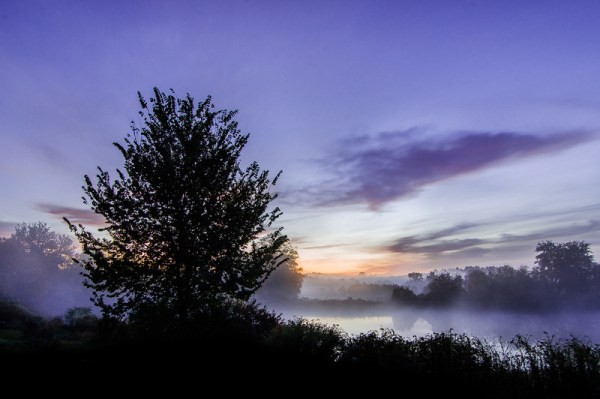
What really stuck out to me was the way Justin closed his comment – “…photographic instruction tends to focus on technology and technique…” he’s got a point. Just look around DPS or any other blog related to photography training and you’ll find post after post teaching you how to use your camera, how to compose your scenes better, how to use Lightroom or Photoshop or some other software to enhance the images you have captured – the list goes on. However, when you look for information on how to actually dig deep into the emotional side of capturing a piece of art and translating that emotion to a still image – it gets a bit more difficult to find.
This is not a bad thing so don’t get me wrong it’s just something we have to be aware of. As Justin mentioned at the start of his comment these techniques and skills are important and will help you make better photographs in the end, but like Justin, I think the point here is that to truly capture powerful images we have to learn how to translate our emotions from the scene we’re photographing through the camera and into a still image.
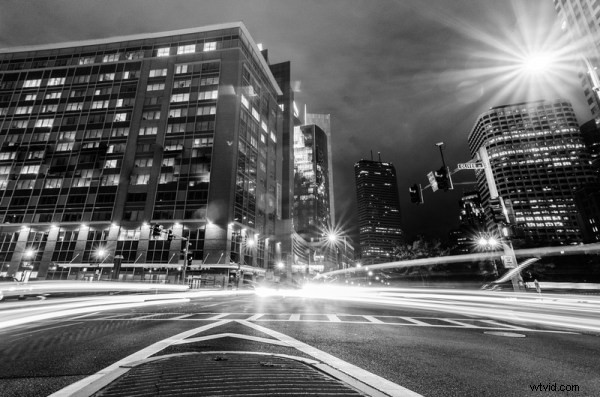
I’ve thought about how I was going to write this article for quite some time. I knew it wasn’t going to be an easy piece to write, but I wanted to bring attention to the concept that Justin brought up and try my best to get us, at least started down the road to, an answer for it.
My hope is that through the community here at DPS we can come up with a massive list of ideas for connecting with our subjects – Whether you photograph the stars that fill our skies, shoot macros of the smallest insects or anything in between – How do you connect with your subject?
Here are a few ideas that I’ve come up with – I hope you’ll continue to add to the list in the comments below.
A Four Step Process On How To Connect With Your Subject and Better Your Photography
1.) Put Down the Camera
The first step in this process is to put down the camera and step back from the scene. The camera in some instances is very much like a security blanket it’s a buffer between us and our subject, by putting it down, you remove that buffer and you start to see the scene differently. The idea here is simply to free yourself from the camera for a minute and remove yourself from the need to adjust your settings.
2.) Define Your Subject
Next on the list is to truly define the subject of your photograph. If you can’t tell me what the photograph your taking is about then you probably shouldn’t be taking a photograph of the scene after all. If you’re photographing a model it can be quite easy to do this, but when you’re in a vast and open landscape, sometimes the subject is so big it’s hard to find a way of defining it within the limits of the camera’s frame.
Spend some trying to describe what it is you’re trying to capture to yourself or to a friend. The more you do this the better you’ll be at being able to pick out the little things that really will start to help you tell a story with an image.
3.) Meditation
This is something I haven’t done yet, but I’m actually going to attempt to give it a try on my next shoot. My idea here is going to be to show up extra early to the location I want to photograph. Set up my camera and determine my subject. After that I’m going to sit down, close my eyes, and drift away for a few minutes to clear my head. Once this meditation is over I’m going to once again return to step two and see if anything has changed or if I’ve noticed any finer details of the scene.
I do this before I write long articles or when I find myself struggling for ideas to write about. So the thinking here is that if it can help clear my head for writing, maybe, just maybe, it can help clear my head on a shoot.
4.) Talk it Through
This tip tends to shadow the idea of number two, but here rather than specifically talking about the subject you’re capturing, talk about everything on a whole. What kind of photograph are you looking to make? Is it black and white? Is it an HDR? What do you want your viewer to feel – what are you currently feeling?
Whether you’re with another photographer, a model or alone in the wilderness it’s amazing to simply put words to the emotions that you’re feeling. Describing the scene out loud might seem strange at first, but it will help you see it better in your mind.
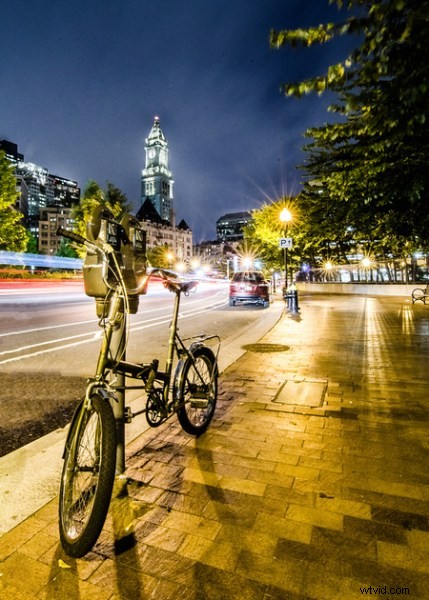
It’s so important to never forget that gear, software and knowledge of what we should do in the scene can only take us so far. To truly capture the world around us we have to connect with the scene that we are capturing and transfer the emotions that we feel into the still image. Without this connection – we might end up with technically sound photographs that lack power or purpose and ultimately that is what gets people to stop and look at the photographs that you’ve created.
Now – I’d love for you to take a moment, or a day, and come up with a few of your own techniques for connecting with subjects and leave the answers you find in the comment below so others might be able to learn how to connect with their subject and ultimately take better photographs.