
Podcasting has surged to the forefront of digital media, offering a flexible, on‑demand listening experience that fits into any schedule—whether you’re commuting, working out, or relaxing with coffee.
In this guide we answer the core question, What is podcasting and how does it work?, and walk you through the essential steps to create, host, and grow your own podcast.
In this article
- What is Podcasting and How Does It Work
- Choosing the Best Tool for Production
- Launching Your First Podcast: A Beginner’s Roadmap
- Top Platforms for Hosting and Distribution
What Is Podcasting?
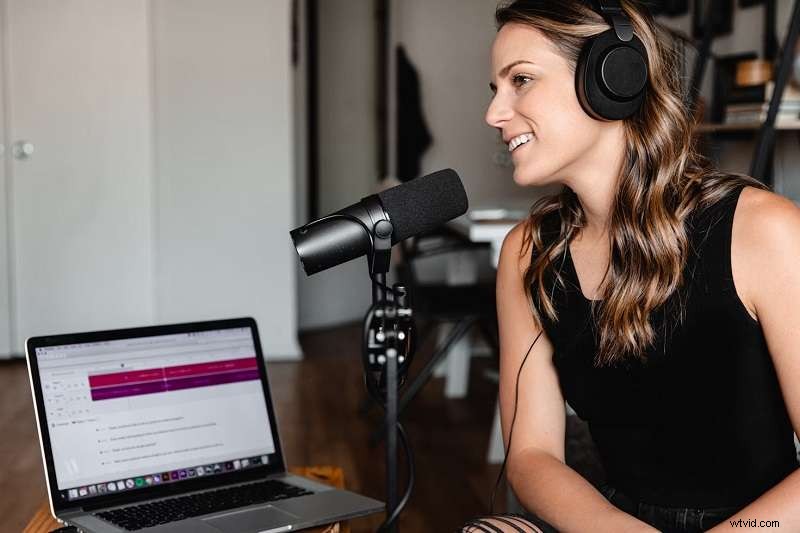
Podcasts are serialized audio series that focus on a specific theme or topic. Unlike traditional radio, they are downloadable, schedule‑flexible, and accessible on a wide range of devices.
Key characteristics include:
- Length: Ranges from 15 minutes to over an hour, depending on the topic and format.
- File Format: MP3 is the industry standard for optimal compatibility.
- Delivery Style: Solo monologues, interviews, panel discussions, narrative storytelling—both fiction and non‑fiction.
- Content Focus: Education, entertainment, news, health, technology, true crime, sports, and more.
How Does Podcasting Work?
Production involves recording audio, uploading the files to a hosting service, and distributing them via RSS feeds. Listeners subscribe through platforms like Apple Podcasts, Spotify, or Google Podcasts, receiving new episodes automatically.
Choosing the Best Tool for Production
Quality and efficiency start with the right gear. At a minimum, a podcaster should invest in:
- Microphone: A USB mic for quick setup or an XLR mic for studio‑grade sound.
- Pop Filter: Reduces plosive consonants and enhances clarity.
- DAW (Digital Audio Workstation): Software to record, edit, and master audio.

For creators seeking an all‑in‑one solution, Wondershare Filmora offers a comprehensive suite: built‑in recording, AI‑powered audio enhancement, denoise, creative soundtracks, and seamless export options.
Why Filmora Stands Out
- Built‑in Recorder: Capture high‑quality audio directly within the app.
- Editing Toolkit: Trim, split, merge, and fine‑tune clips with precision.
- AI Audio Enhancer: Elevate sound quality even with basic equipment.
- AI Denoise: Remove background hiss for a professional finish.
- Royalty‑Free Assets: Use ready‑made sound effects, music, or generate custom tracks via the AI Music Generator.
- Format Flexibility: Export to MP3, WAV, or video formats for platforms that support audio‑visual content.

Launching Your First Podcast: A Beginner’s Roadmap
Ready to get started? Follow these steps:
1. Planning
- Choose a Topic: Pick a subject you’re passionate about and can consistently produce content around.
- Define Your Audience: Understand demographics, interests, and listening habits to tailor your episodes.
- Structure Your Episodes: Decide on narrative flow—solo commentary, interviews, panel discussions, or a mix.
- Schedule: Plan episode length and release cadence; outline a season roadmap to maintain momentum.
2. Recording & Editing
- Speak clearly with a steady pace and volume.
- Record in short segments for easier editing.
- Import files into Filmora, trim, clean up, adjust levels, and add audio effects.
3. Publishing
Once episodes are polished, move on to hosting and distribution. See the next section for platform options.
Top Platforms for Hosting and Distribution
Choosing the right host depends on your goals. Below are the most popular options and their key pros and cons.
1. Spotify
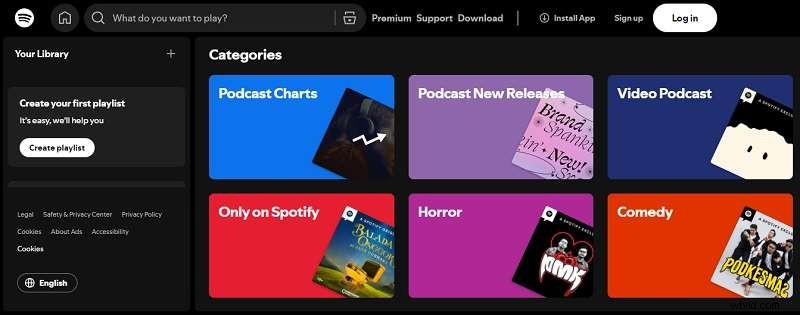
Spotify’s Spotify for Creators allows easy submission and detailed analytics on listener demographics and performance.
2. Apple Podcasts
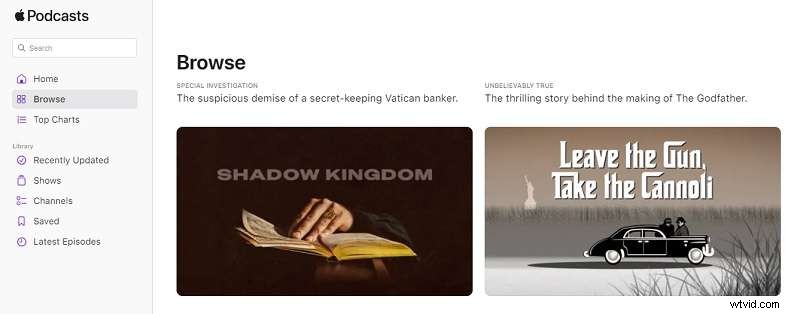
Apple Podcasts offers a massive audience and robust analytics, giving insights into listening patterns and engagement.
3. YouTube
For visual or audio‑only videos, YouTube reaches a vast audience. Upload a video version of your episode or a static image with audio.
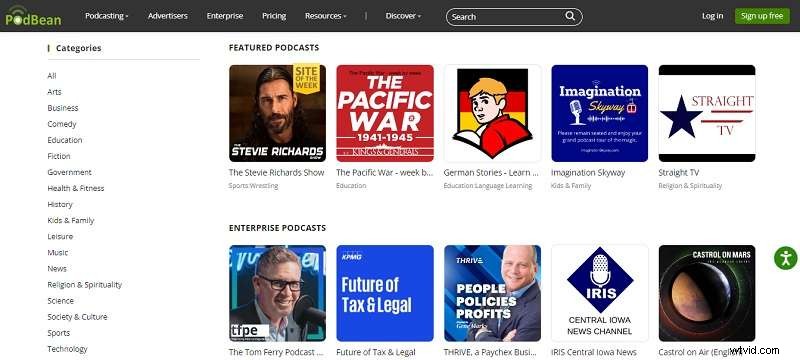
4. Podbean
Podbean offers unlimited hosting, built‑in monetization, and promotional tools.
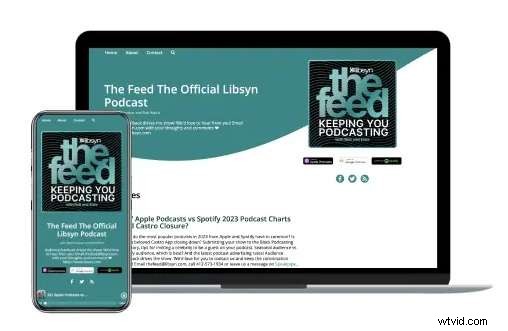
5. Libsyn
Libsyn is a veteran platform with flexible plans, ideal for creators who need reliable distribution and advanced analytics.
| Podcast Platform | Cost | Pros | Cons |
| Spotify | Free | Large audience, easy access | Limited monetization control |
| Apple Podcasts | Free | High credibility, large audience | Requires Apple ID, competitive space |
| YouTube | Free | Huge audience, video support | Visual requirement, ad competition, copyright risks |
| Podbean | Free basic; paid plans from $9/mo | Beginner‑friendly, built‑in monetization | Limited free features |
| Libsyn | Free trial; paid from $5/mo | Reliable, advanced features | Outdated UI, cost scales with storage |
Conclusion
Podcasting is a powerful medium that lets you share stories, insights, and expertise on your terms. With the right tools—like Filmora—you can streamline production from recording to distribution and focus on delivering high‑quality content to your audience.
FAQs
1. How do podcasters make money?
Revenue streams include sponsorships, listener donations, affiliate marketing, product sales, and platforms such as Patreon. As your audience grows, brand partnerships become viable.
2. How much does it cost to start a podcast?
Basic setups can launch for under $100. All‑in‑one solutions like Filmora can further reduce upfront costs and time.
3. How do I promote my podcast?
Leverage social media, create a dedicated website or blog, collaborate with other creators, and optimize titles and descriptions with relevant keywords and hashtags.
4. What common mistakes do new podcasters make?
Expecting instant growth, neglecting consistency, overcomplicating the setup, and ignoring audience feedback are frequent pitfalls. Focus on quality, plan ahead, and stay patient.