Once you grasp the fundamentals of composition, mastering advanced techniques will refine your eye and broaden your creative toolkit. While not every photo requires a triptych or decisive moment, understanding these concepts can elevate your work and prepare you for high‑impact assignments.
Below we explore a range of advanced approaches, each with distinct characteristics. Dive deeper by clicking the links in each section.
Composition Techniques
Many advanced methods stem from simple principles—yet mastering them demands precision and practice. We’ll outline how to extract maximum value from each technique.
Practice at home, or take a walk around your city. Aim to capture one example of every technique; repetition builds confidence.
Form
Form photography makes a flat subject feel three‑dimensional. Use side lighting to accent shapes and textures, a wide aperture for shallow depth of field, and consider black‑and‑white conversion to heighten emotion.
Experiment with angles—each perspective unlocks new movement, color, and texture possibilities. 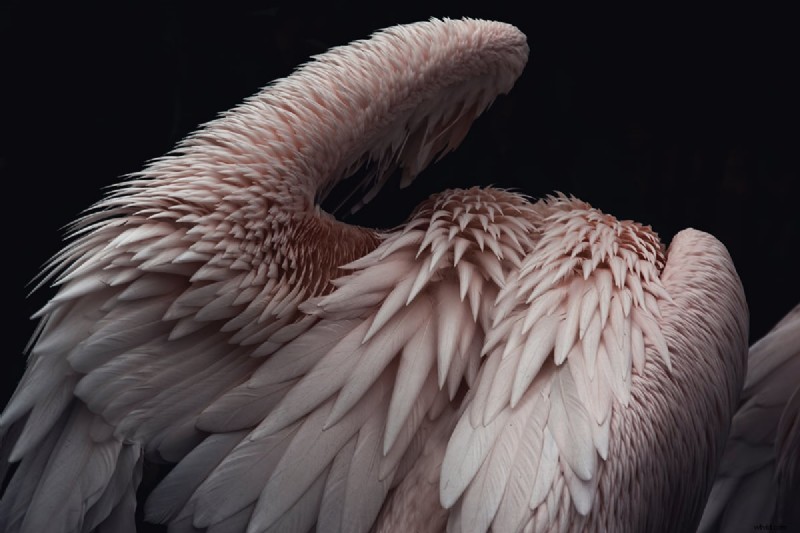
Shape
Shape drives balance, symmetry, and visual direction. Front or back lighting keeps shapes flat; side lighting adds depth. Perspective changes the perceived geometry—side‑view, top‑view, and angled shots reveal hidden contours.
Recognizing everyday shapes is the first step to crafting compelling compositions. 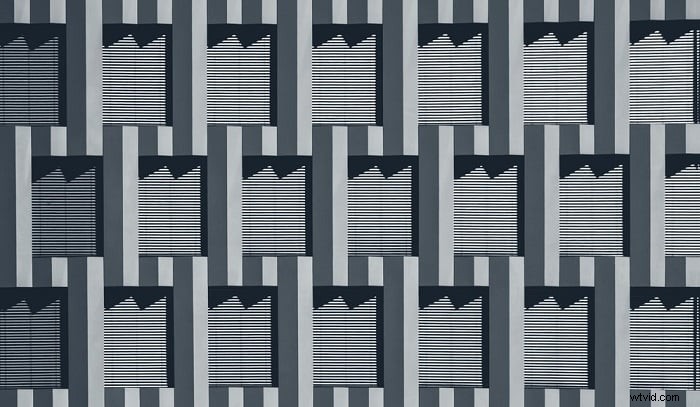
Emphasis
Emphasis pulls the viewer’s eye to the focal point. Use contrast, a bright foreground with a darker background, or a shallow depth of field to isolate the subject. Negative space and leading lines further guide attention.
Learn more about emphasis techniques here. 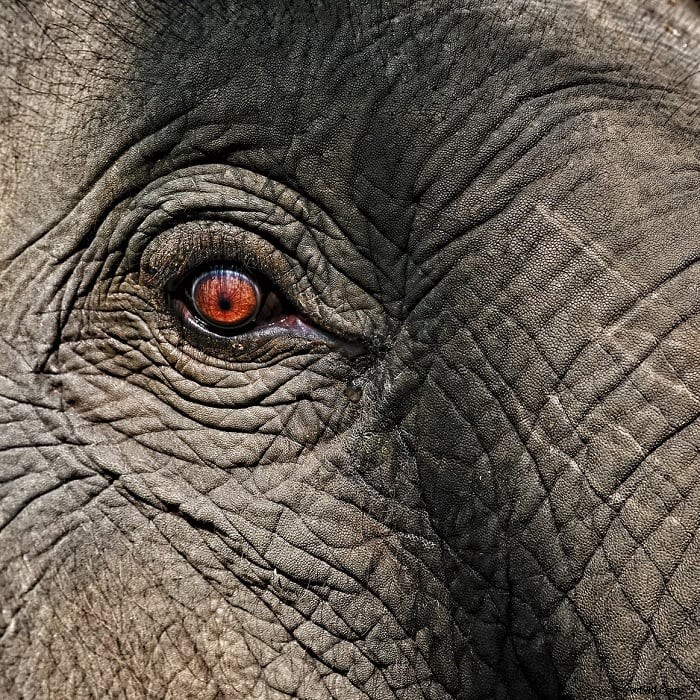
Geometric
Geometric photography highlights repeating lines and shapes—from brickwork to natural curves. Seek patterns, employ bold colors for contrast, and experiment with unconventional angles.
Architectural subjects naturally lend themselves to geometric exploration. 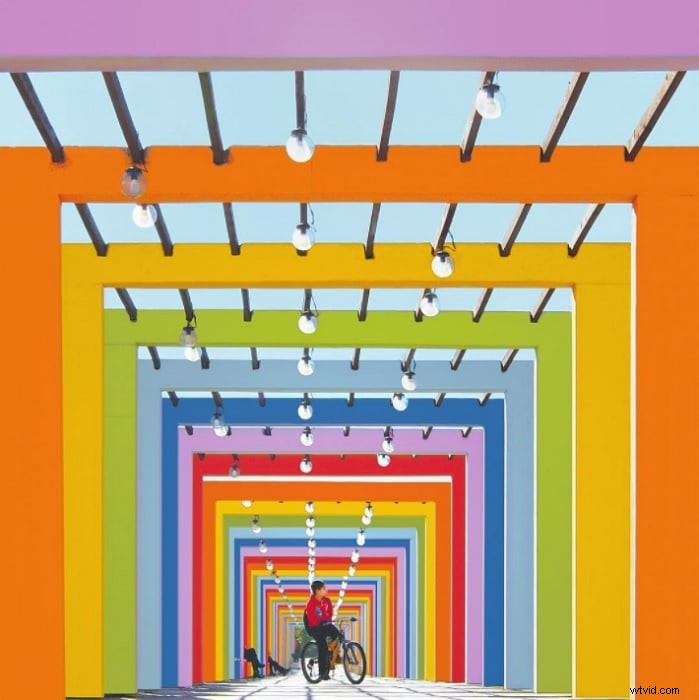
Rhythm
Rhythm creates visual flow through repeated elements or motifs. Whether capturing street scenes or landscapes, rhythm stabilizes composition and invites viewers to explore the image.
Discover rhythm strategies here. 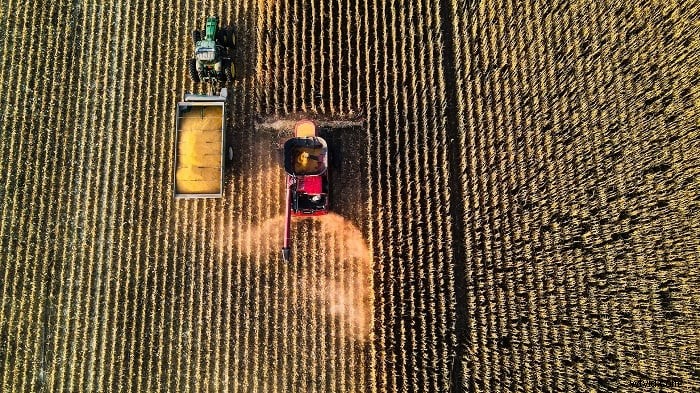
Negative Space
Negative space frames the subject, allowing it to stand out. Fill the frame with meaningful patterns or step back to create context. The key is to keep the background muted enough to highlight the main element.
Further negative‑space tips here. 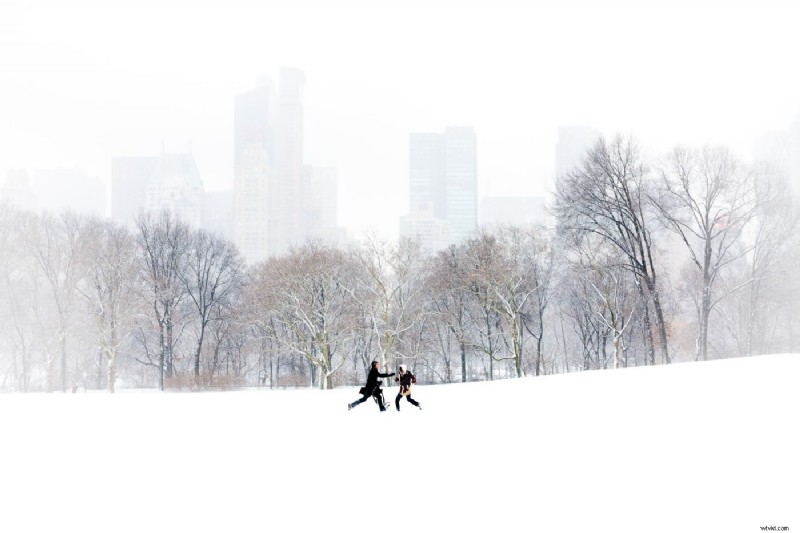
Juxtaposition
Juxtaposition juxtaposes contrasting elements—animate vs inanimate, big vs small, light vs dark—to spark emotional response. Post‑processing can also blend images to deepen the contrast.
Explore examples here. 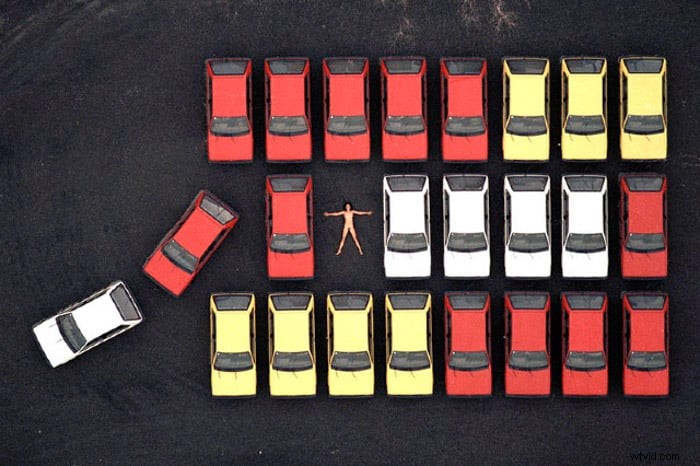
Advanced Composition Techniques
These methods rely more on narrative and visual storytelling than on rigid framing rules. Embracing them can distinguish your work.
Conceptual
Conceptual photography conveys ideas through symbols and editing. Start with a unique concept, then use post‑production to realize it. Anonymity and subtlety can add intrigue.
See our in‑depth guide here. 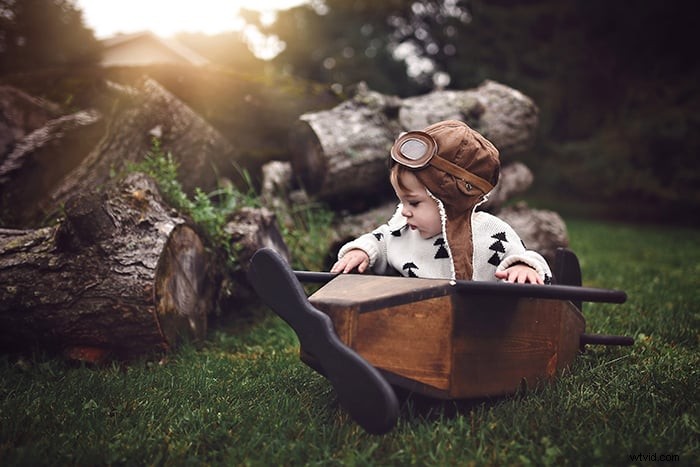
Symbolism
Symbolism uses visual cues—color, objects, placement—to communicate deeper meaning. From Dorothea Lange’s iconic images to contemporary work, symbols enrich storytelling.
Learn more here. 
Golden Ratio
Employ the golden ratio to guide the eye naturally. Use a phi grid (1:0.618:1) or a Fibonacci spiral to position subjects within the most pleasing ratios.
Discover how to overlay these tools here. 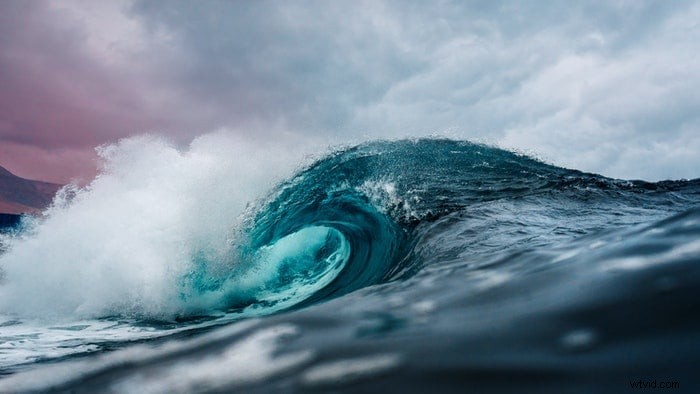
Golden Triangle
The golden triangle introduces diagonal tension, placing key elements at the intersection points of two diagonals and a perpendicular line.
Ideal for portraits, mountains, and roads. 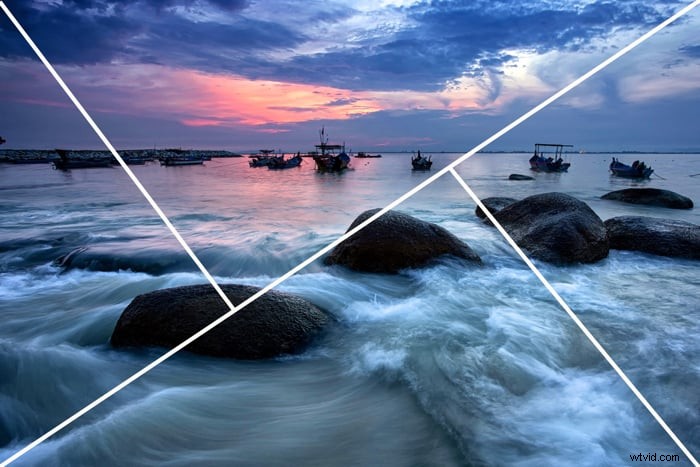
Triptych
A triptych tells a story in three panels. Experiment with square, circle, or linear formats, and consider burst mode to capture movement across the three frames.
Read more about triptych concepts here. 
Decisive Moment
Capturing the decisive moment requires anticipation and intimate knowledge of your subject. Trust your instincts, watch for patterns, and seize the fleeting emotional peak.
Explore decisive‑moment techniques here. 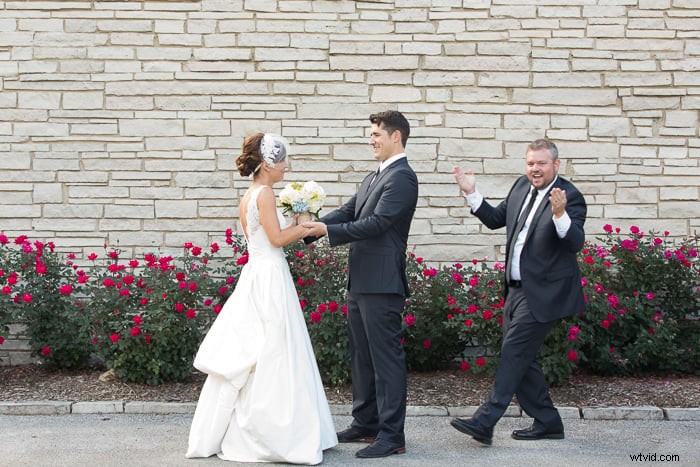
Dynamic Tension
Dynamic tension uses opposing lines and motion to create drama. Seek wide angles between intersecting diagonals and contrast body language to heighten impact.
Use sparingly to avoid cliché. 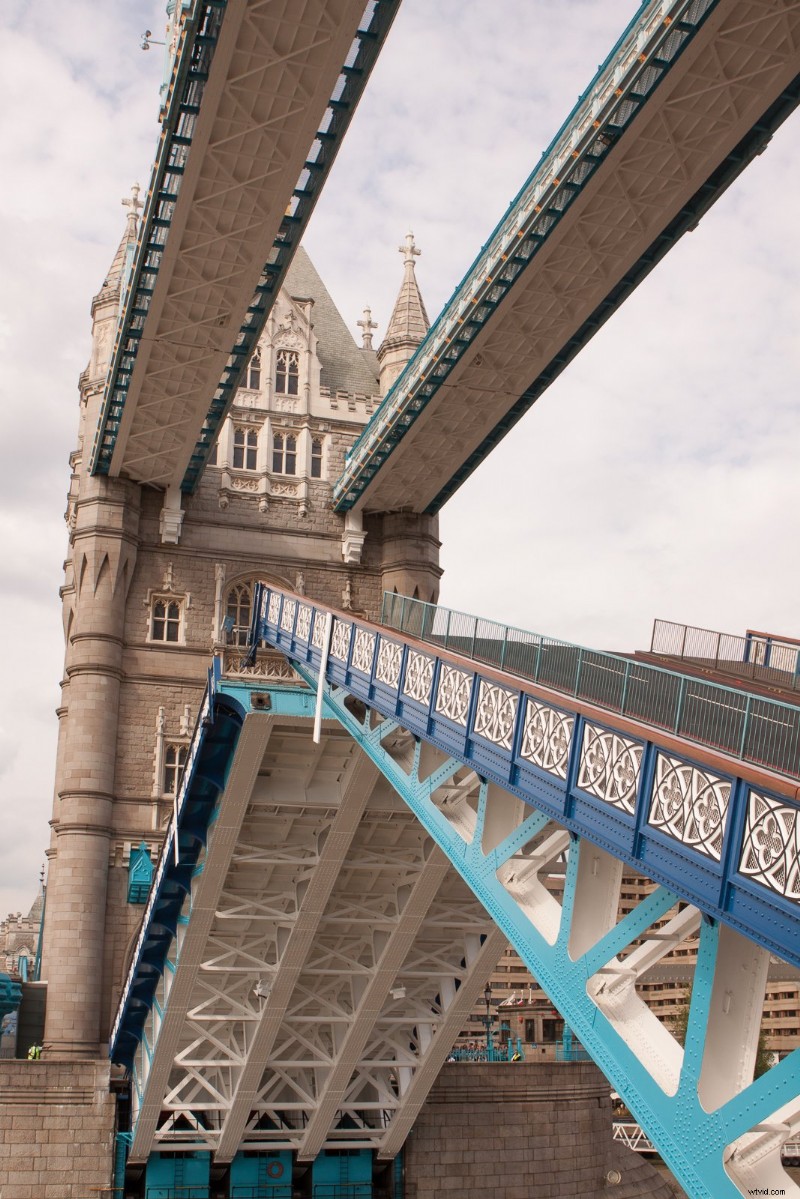
Figure to Ground
Figure‑to‑ground emphasizes contrast between subject and backdrop, whether through silhouette, color, or lighting. Even subtle differences can guide the viewer’s focus.
More on this approach here. 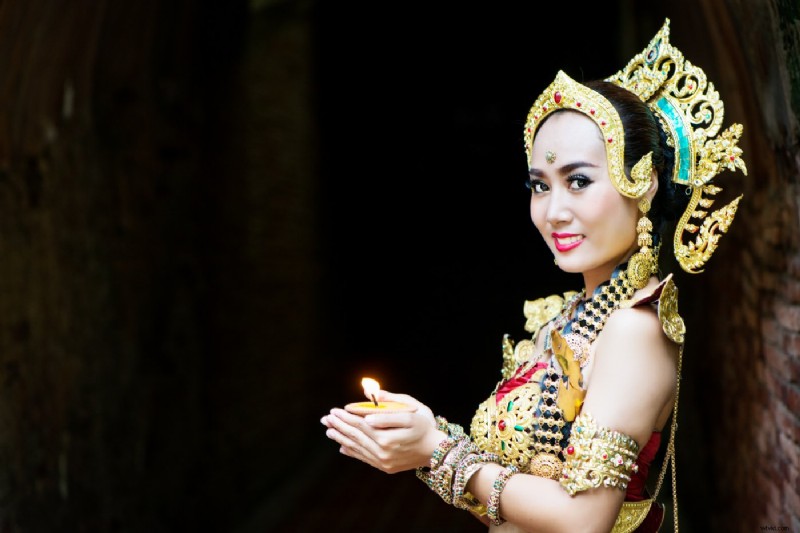
Composition Principles
These foundational ideas—derived from years of photographic practice—guide every shot. Experiment and adapt them to your style.
Value
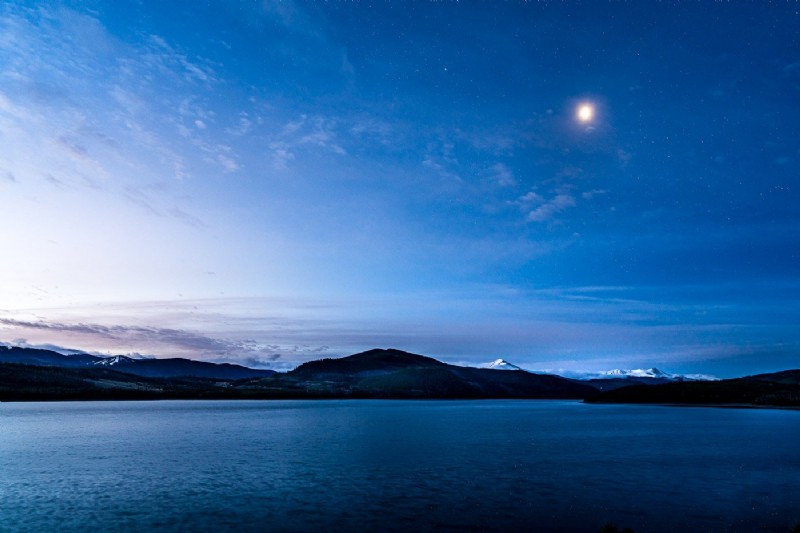
Value refers to the tonal range within an image. A histogram helps you balance blacks, shadows, midtones, highlights, and whites. Adjust exposure to control emotional tone: high contrast for boldness, low contrast for subtlety.
Art and Design in Photography
Applying the seven principles of art—balance, rhythm, pattern, emphasis, contrast, unity, and movement—enriches visual storytelling. Understanding each principle lets you orchestrate elements for maximum impact.

Fine Art
Fine art photography is driven by vision rather than commercial intent. It blends concept, emotion, and aesthetics to create images meant for exhibition or private collection.
Artists like Damiano Errico and Brassaï blur the line between street and fine art. 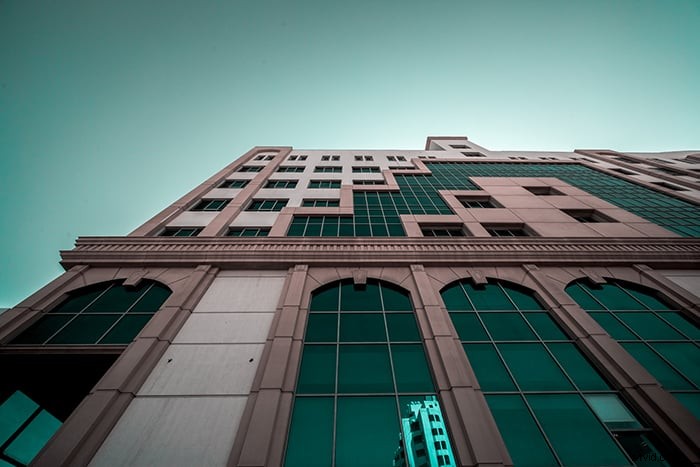
Gestalt Principles
Gestalt principles—proximity, similarity, closure, and segregation—inform how viewers perceive and organize visual information. Mastering these can make your images more cohesive and emotionally resonant.
Lead Room Principle
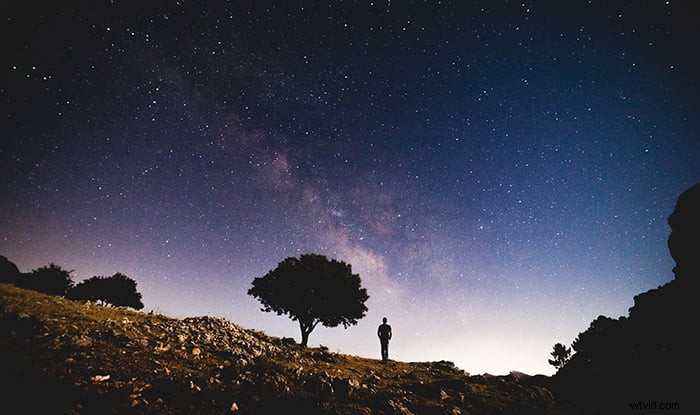
Lead room (negative space ahead of a subject’s motion or gaze) enhances narrative flow. Wider compositions that leave space for movement guide the viewer’s eye and convey purpose.