
I. Introduction: Your Solo Filmmaking Journey Starts Now
Once the film world felt exclusive to big budgets and large crews, I discovered that passion and skill could override any financial barrier. After 15+ years of turning concepts into finished films—often with just a camera in hand—I’ve distilled the insights that turned my solo projects from amateur attempts into polished productions.
Every solo filmmaker asks the same questions: How do I handle lighting, sound, and camera work on my own? Which gear truly delivers the best value? And how do I maintain a professional look without a support team? I’ve lived those challenges, spent countless hours shooting, editing, and troubleshooting, and learned what works and what doesn’t.
This guide isn’t a generic list of hacks; it’s a personal blueprint, packed with proven strategies and real‑world lessons that empower you to create high‑quality, cinematic films entirely on your own.
In the chapters that follow, you’ll learn how to select gear that makes a difference, master lighting and audio fundamentals, plan shoots like a seasoned producer, and polish your footage in post‑production for a truly cinematic finish. Solo filmmaking isn’t just about making a film—it’s about unlocking new creative freedom.
Peekatthis.com is a participant in the Amazon Services LLC Associates Program, an affiliate advertising program designed to provide a means for sites to earn advertising fees by advertising and linking to Amazon.com
II. The Solo Filmmaker's Arsenal: Gear That Empowers (Not Overwhelms)
Every piece of equipment in a one‑person kit must earn its place. It’s about smart, strategic choices that elevate creativity without draining your budget.
A. The Heart of Your Operation: Camera Selection
Your camera is the primary storyteller, and today’s market offers powerful options across all price points.
Smartphones: Your Pocket Production Studio
Modern iPhones, Samsung Galaxy, Google Pixel, Sony Xperia, and Huawei phones can record 4K video with excellent image quality. They’re always on hand and surprisingly intuitive for quick shoots.
To achieve a cinematic look, add an external lens—my personal favorite is the Moment Anamorphic attachment for iPhone. It delivers a wide‑screen aspect ratio, soft lens flares, and depth that a stock camera can’t match.
Curious about which smartphone to use for your next project? Check out this article for ideas.
Mirrorless Cameras: Stepping Up Your Cinematic Game
For greater creative control, mirrorless systems like the Sony Alpha A7S III, A7C, or Panasonic GH5 offer superior image quality, manual exposure, and interchangeable lenses—essential for a solo filmmaker.
A wide‑angle lens captures expansive scenes or tight spaces; a 50mm prime excels in low light and provides beautiful bokeh. Action cameras, such as GoPros, serve as durable second cameras for POV shots or high‑risk angles.
B. The Secret to Professional Shots: Camera Stabilization
Shaky footage is a quick way to lose viewers. Stabilization is non‑negotiable unless you’re chasing a specific found‑footage aesthetic.
Practical Solutions for Solo Shooters
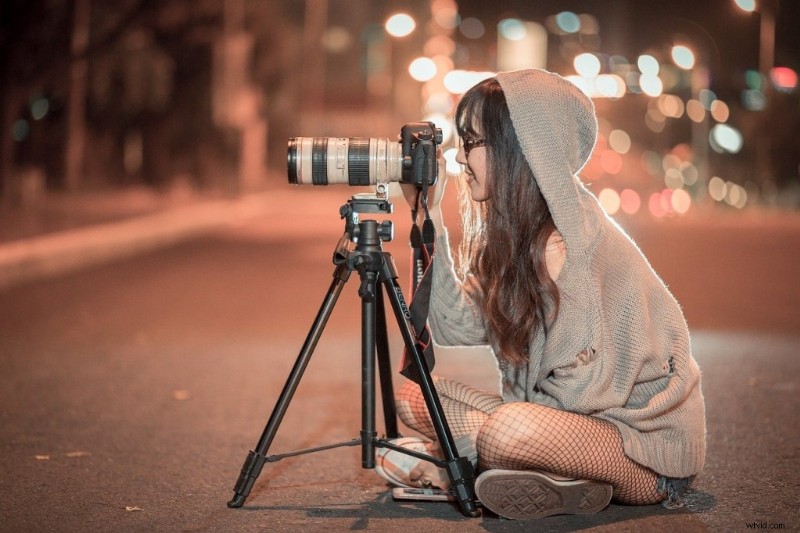
- Tripods: A reliable tripod—Manfrotto or similar—keeps static shots perfectly still, supporting anything from a smartphone rig to a fully loaded mirrorless setup.
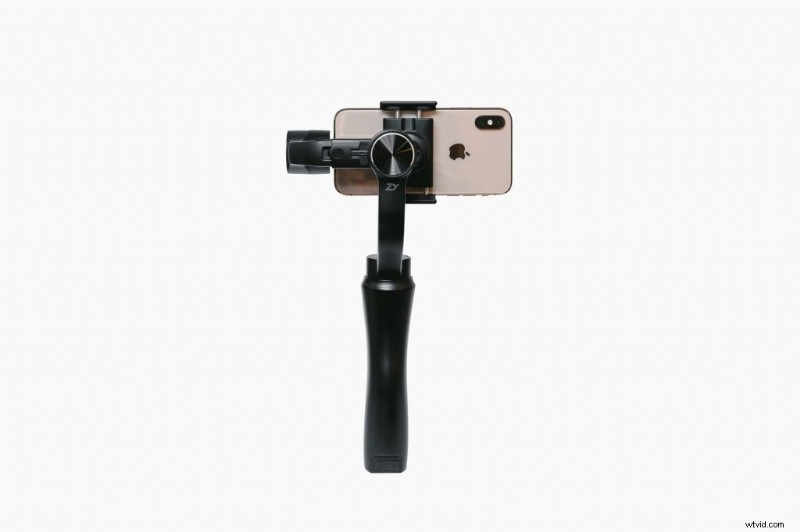
- Gimbals/Stabilizers: For dynamic motion, gimbals are essential. The DJI Osmo series stabilizes smartphones, while the DJI Ronin line delivers cinema‑grade stability for mirrorless cameras.
C. See What You Shoot: On‑Location Monitoring
When you’re behind the camera, you can’t be in front of it simultaneously. A reliable monitoring solution lets you verify framing, focus, and performance in real time.
Effective Monitoring Solutions
- Articulating/Flip‑Out Screens: Many mirrorless cameras feature a flip‑out display, ideal for vlogging or self‑recording.
- External Field Monitors: Brands like Feelworld or Atomos offer compact monitors with focus assist, false‑color exposure, and live LUT preview.
- Wireless Connectivity & Apps: Cameras that support wireless control (Sony Imaging Edge Mobile, Panasonic Image App) let you use a tablet or phone as a larger monitor and remote controller.
III. Crafting Cinematic Impact: Audio & Visual Mastery
With camera and stabilization in place, the next step is to elevate production value through sound, lighting, and high‑resolution capture.
A. Don’t Just See It, Hear It: The Critical Role of Sound
Audio quality can make or break a film. A clear, focused recording beats a perfect image any day. Built‑in camera microphones are convenient but often capture excessive ambient noise and echo.
Your Go‑To Solo Audio Solutions
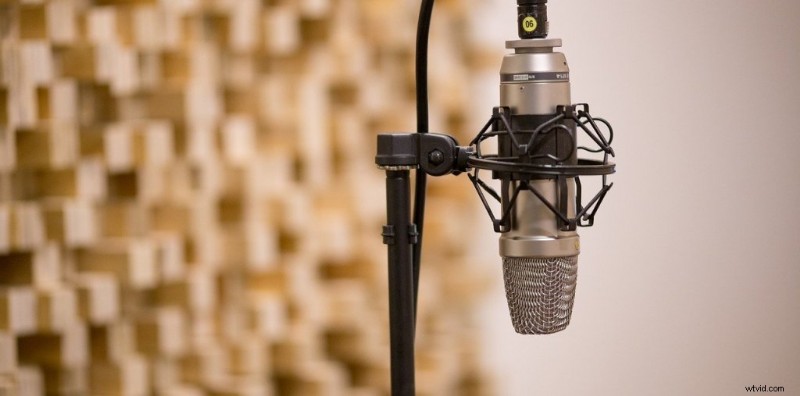
- Shotgun Microphones: Directional mics like the Rode VideoMic Pro or Sennheiser MKE 400 capture dialogue cleanly when mounted on a hot shoe.
- Wireless Lavalier Microphones: The Rode Wireless GO II and Hollyland Lark M1 kits provide hands‑free, high‑quality audio for subjects who move or speak directly to the camera.
Pro Tip: Always monitor audio live with headphones. Catching wind, traffic, or hums on set is far easier than correcting them in post.
B. Shaping the Image: Understanding Light
Light is storytelling. Mastering it lets you craft mood, depth, and visual interest without a large crew.
Harnessing Natural Light
- Outdoor Strategies: Shoot during golden hour for soft, warm light or on overcast days for diffused illumination. A bounce reflector can soften harsh direct sun.
- Indoor Window Light: Position subjects to capture natural window light. When needed, blackout curtains give you full control to build artificial lighting.
Building Your Artificial Lighting Kit (Affordable Options)
- 3‑Point Lighting: Even solo, you can approximate key, fill, and backlight with a few LED panels and a reflector.
- Budget‑Friendly LED Panels: Neewer or Aputure Amaran kits offer color‑adjustable, energy‑efficient lighting that’s easy to set up.
- Practical Lights: Everyday lamps, house lights, or even decorative lights can add realism and depth to your scenes.
C. Future‑Proofing Your Footage: Shooting in 4K
4K is the industry standard. Shooting in 4K offers flexibility, sharpness, and longevity.
Tangible Benefits for Solo Filmmakers
- Reframing & Digital Zoom: 4K allows post‑production cropping and zoom without losing 1080p quality.
- Enhanced Detail & Color: Higher bitrates mean richer textures and smoother color gradients.
- Longevity: 4K content stays relevant longer, protecting your work from rapid technological shifts.
IV. The Solo Filmmaker's Workflow: From Concept to Completion
With gear, lighting, and audio sorted, workflow becomes your lifeline. Efficiency and organization determine whether your project succeeds.
A. The Solo Director’s Secret Weapon: Meticulous Planning (Pre‑Production)
Thorough pre‑production is the backbone of a smooth shoot. Treat it as your crew.
Key Solo Planning Steps
- Script/Outline Refinement: Every shot must serve the story. Trim excess dialogue and rehearse lines until they feel natural.
- Storyboarding & Shot Lists: Sketch each frame, note camera position, and create a detailed shot list to avoid missing shots.
- Location Scouting: Inspect lighting, ambient noise, power outlets, and gear placement before the shoot.
- Props & Wardrobe Checklist: Pack systematically; missing props are a major setback.
B. Maximizing Coverage: Strategic Multi‑Camera Shooting
Even as a solo filmmaker, multi‑camera setups save time and enrich your edit.
Solo Multi‑Cam Techniques
- Fixed Angle Coverage: Use one camera for a wide shot, another for a medium or close‑up, and a GoPro for a unique angle.
- A‑Cam/B‑Cam Workflow: Operate the primary camera for dynamic shots while a secondary camera records a wide safety shot.
- Syncing in Post: Most editing suites automatically sync multi‑cam footage via audio waveforms.
C. Unleash Your Inner Vision: Creative Camera Techniques
Unique angles and thoughtful composition set your work apart.
Solo‑Friendly Techniques
- Angles: Low‑angle, high‑angle, and Dutch tilts can alter perception dramatically.
- Controlled Movements: Use a gimbal for smooth pans, tilts, and tracking shots; sliders or DIY dollies add linear motion.
- Composition: Employ leading lines, the rule of thirds, and foreground elements to create depth.
For a deeper dive, see my article “11 Basic Camera Angles & Shots Every Filmmaker Needs To Know.”
D. The Final Polish: Mastering the Edit
Editing isn’t just post‑production; it’s part of the storytelling process. Understanding it improves both shooting and narrative flow.
Why You Must Edit Your Own Work (Initially)
- Coverage Insight: Identify gaps in your footage and adjust future takes.
- Pacing & Storytelling: Learn how shot duration and transitions shape emotion.
- Problem‑Solving: Use B‑roll, cutaways, and sound design to smooth imperfections.
- Efficiency on Set: Knowing the edit reduces unnecessary coverage and speeds up the process.
Recommended Editing Software
- Professional: Adobe Premiere Pro and DaVinci Resolve (free version offers full power).
- Alternative: Vegas Movie Studio, iMovie for Apple users, CapCut for mobile beginners.
V. Elevate & Evolve: Sharing Your Story & Growing as a Filmmaker
Finishing the cut is just the start. Distribution and continuous learning keep your work alive and your skills sharp.
A. Get Your Story Seen: Distribution Strategies
Audience is key. Choose platforms that match your goals.
Platform Guidance
- YouTube & Vimeo: YouTube offers mass reach; Vimeo offers a curated, high‑quality experience.
- Social Media: Instagram Reels, TikTok, and Facebook excel for teasers, trailers, and behind‑the‑scenes content.
- Film Festivals: Submit to local and international festivals to gain exposure and networking opportunities.
B. The Never‑Ending Masterclass: Continuous Learning & Practice
Even seasoned filmmakers evolve. Stay curious.
Where to Learn
- Online Tutorials & Courses: YouTube, Skillshare, Domestika, and Udemy provide free and paid lessons from industry professionals.
- Reading: Books on cinematography, directing, and storytelling lay foundational knowledge that transcends gear.
- Analyzing Films: Critically examine lighting, sound, angles, and pacing in films you admire.
The Power of Doing
Practice beats theory. Shoot frequently, analyze failures, iterate, and grow. Every project is a chance to refine technique and push creative boundaries.
VI. Conclusion: Your Cinematic Journey Awaits
From gear selection to post‑production, this handbook provides a comprehensive framework for solo filmmakers. The truth is simple: you don’t need a massive crew or budget to tell a compelling story.
You now have the tools, knowledge, and inspiration to start shooting. Don’t wait for the perfect moment or crew—create. I’m excited to see what you’ll produce. Share your first solo scene or biggest challenge in the comments, and let’s build a community of independent creators together!