
While time‑management apps promise productivity boosts, the unpredictable rhythms of wildlife demand a different approach. As a photographer who spends nights tracking cranes and days hunting for rutting deer, I’ve found that the simplest tool—an annual calendar—offers the greatest return on investment.
In this guide, I’ll explain why a yearly schedule is essential for wildlife photography and walk you through a four‑step process to build a calendar that turns fleeting moments into a cohesive visual narrative.
Why a Year‑Long Calendar Matters
A yearly plan isn’t exclusive to wildlife work; it benefits any photographic discipline. By committing an hour to map out a full year, you move from reactive shooting to proactive storytelling. Timing becomes the foundation: arriving at the right location, at the right season, increases your chances of capturing decisive moments.
Planning ahead also frees your creative energy. Knowing where to find a migratory flock or when a species sheds its antlers means you can book your travel, assemble gear, and research behavior without last‑minute scrambling. A structured calendar keeps you on track and reduces the stress that often stalls inspiration.
Beyond logistics, a calendar enhances the narrative quality of your images. It allows you to track a species through its annual cycle, revisit a site in different seasons, or create a series that documents a phenomenon from start to finish.
Building Your Year‑Long Wildlife Calendar
Grab a calendar—physical or digital (Google Calendar, Apple Reminders, Outlook, etc.)—and follow these four steps.
Step 1: Prioritize Accessible Events
Begin with wildlife that is within a practical driving distance. If a subject lives within an hour’s drive, mark it as a priority. For trips that require a few hours, plan accordingly. Avoid scheduling cross‑country trips too often; focus on quality, not quantity.
Research local species and their peak activity periods. Whether it’s the grebe’s courtship dance or the spring migration of cranes, note the dates in your calendar. Historical data—such as the exact month a species appears—provides a reliable foundation for future shoots.
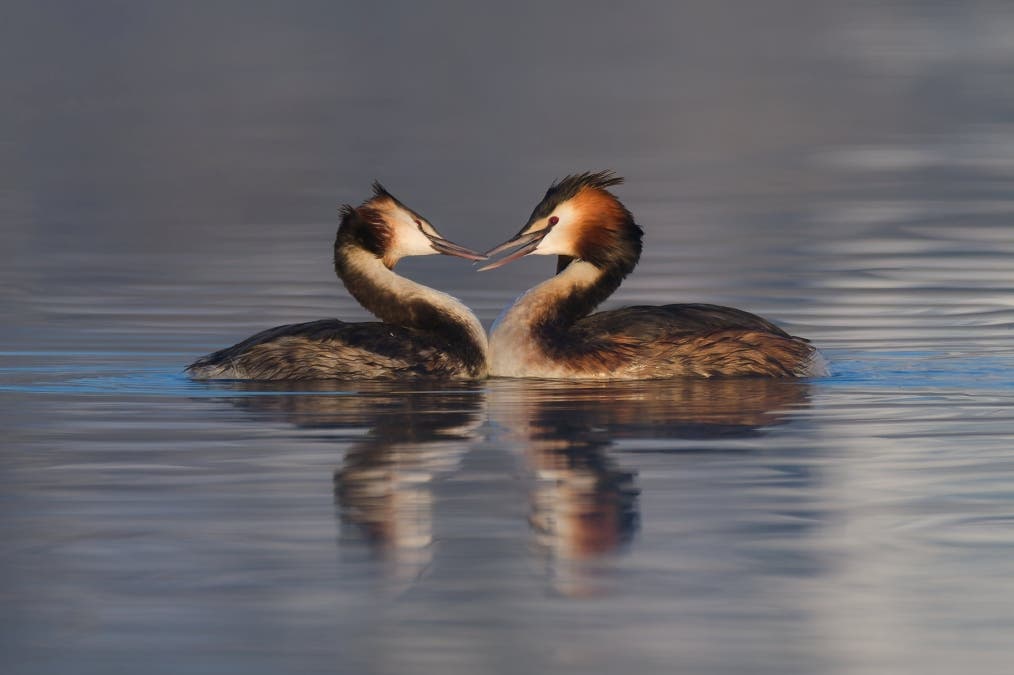 Love me tender, love me sweet season
Revisit your portfolio for recurring subjects. If you captured a deer rut in May last year, schedule a similar shoot next May. Predictable behavior makes planning straightforward.
Step 2: Schedule Recurrent Events
Mark events that you can rely on but may be farther away. For instance, red deer stags in Denmark’s North Jutland Region shed antlers from March to April—a perfect window for dramatic shots. Add such trips to your calendar, even if they’re a few days’ drive.
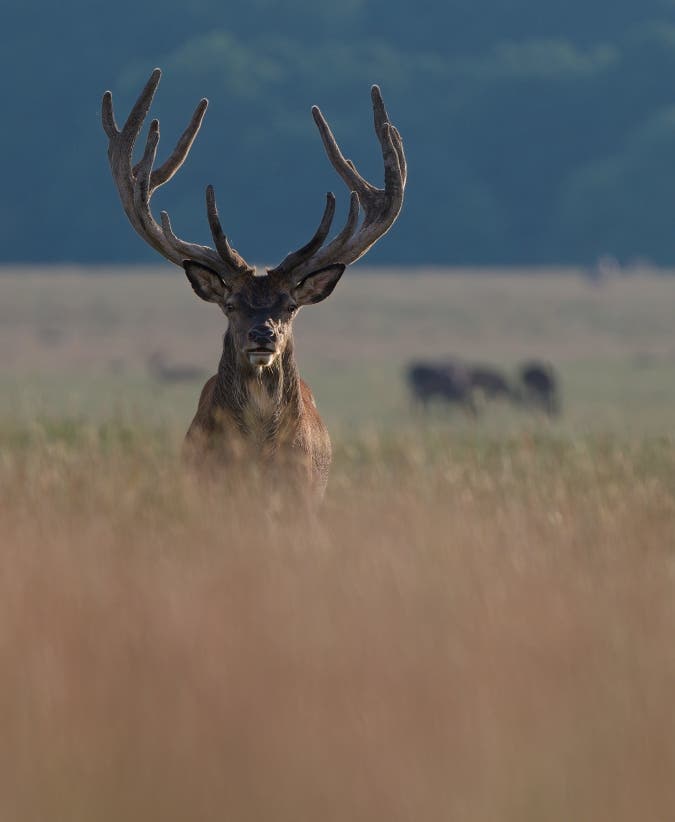 Good timing
Always back your plans with research; a well‑timed trip yields a richer image set than a hopeful one.
Step 3: Capture Short‑Lived Events
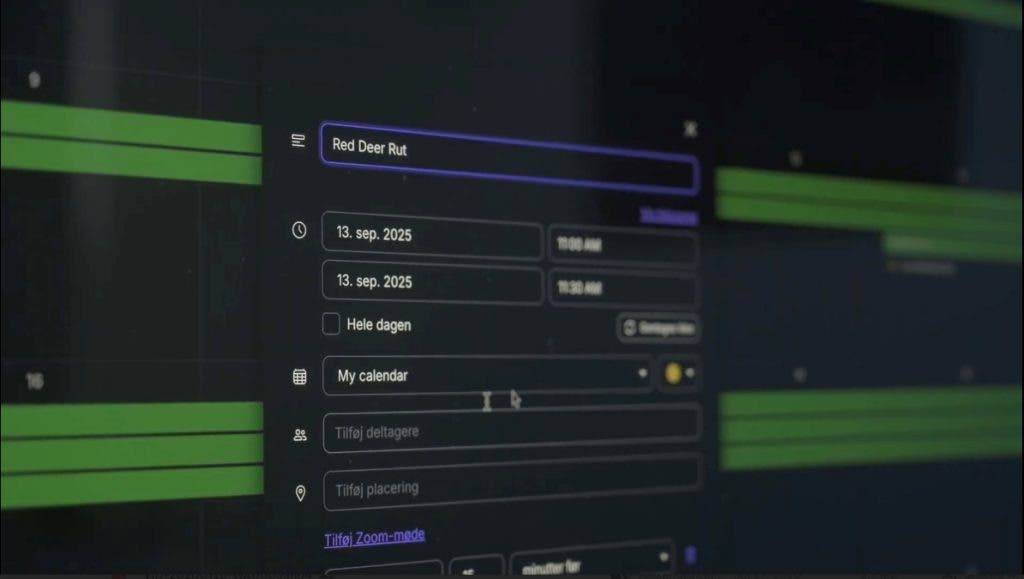
Some phenomena last only a week or two—like the annual crane congregation. These fleeting windows demand reminders. In a digital calendar, set a reminder a week before the expected arrival and another one a day before.
Missing a crane migration means waiting an entire year for the next opportunity. To avoid that, keep your calendar up to date and check for new information regularly.
Step 4: Build Species Timelines
Leverage online resources that outline a species’ yearly cycle. Search for “species name year cycle” in your language to get region‑specific data. Knowing, for example, that fallow deer rut in Denmark occurs from mid‑October to late November lets you plan gear and shooting angles in advance.
When you chart these timelines, you can slot each month with a specific focus—deer in rut, grebes with chicks, migratory birds—ensuring your calendar is full of purposeful shoots, not idle travel.
Final Thoughts
A yearly calendar transforms how you approach wildlife photography. It turns research into action, reduces the risk of missed opportunities, and elevates your portfolio’s storytelling power. Once you input the key events, you’ll find that the calendar becomes a living document—adaptable as new information surfaces, but still a guiding framework that keeps you focused and creative.
All you need is a calendar and a commitment to schedule. The results—better images, less stress, more inspiration—are worth the effort.

Peter Dam
Peter Dam is a professional nature photographer with over a decade of experience in wildlife, corporate photography, and videography. He shares practical tips and inspiring stories on his website and YouTube channel.