
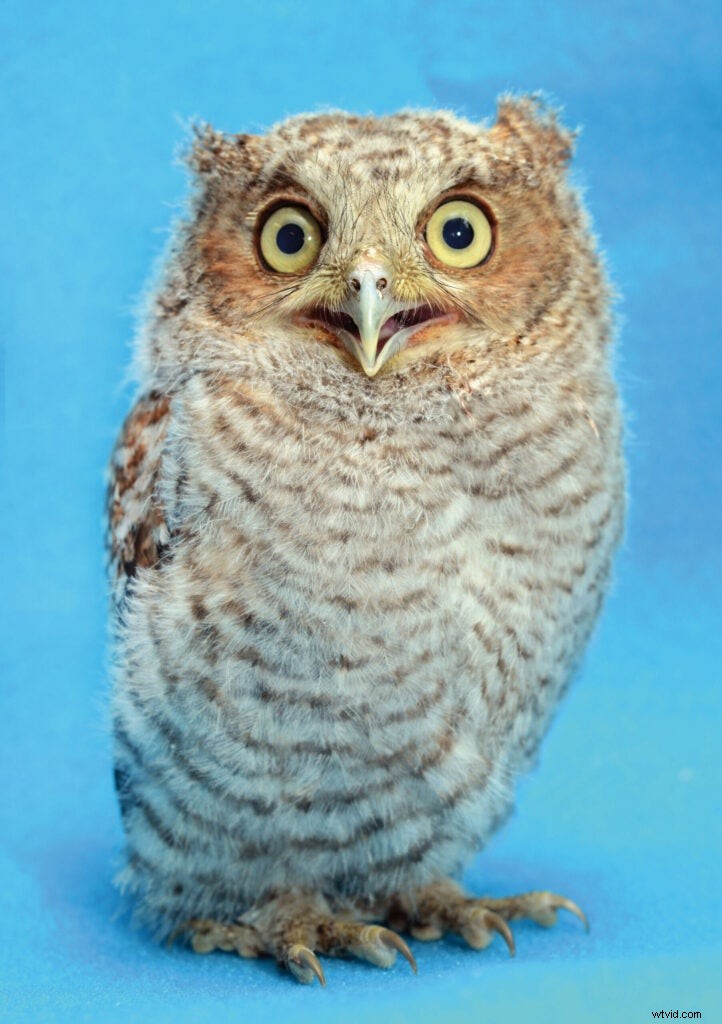
Screech Owl, six weeks old
About four years ago, photographer Traer Scott started working on her latest book, Wild Babies, devoted to documenting wild, orphaned baby animals.
The idea for the book was born two weeks after the birth of Scott’s own daughter. Scott was at a wedding when a friend ran up to her holding a baby squirrel that had just fallen out of a tree. “I’ve always had that instinct to say, ‘I’ll take care of it’,” Scott says. “It didn’t have very much fur and was very tiny.”
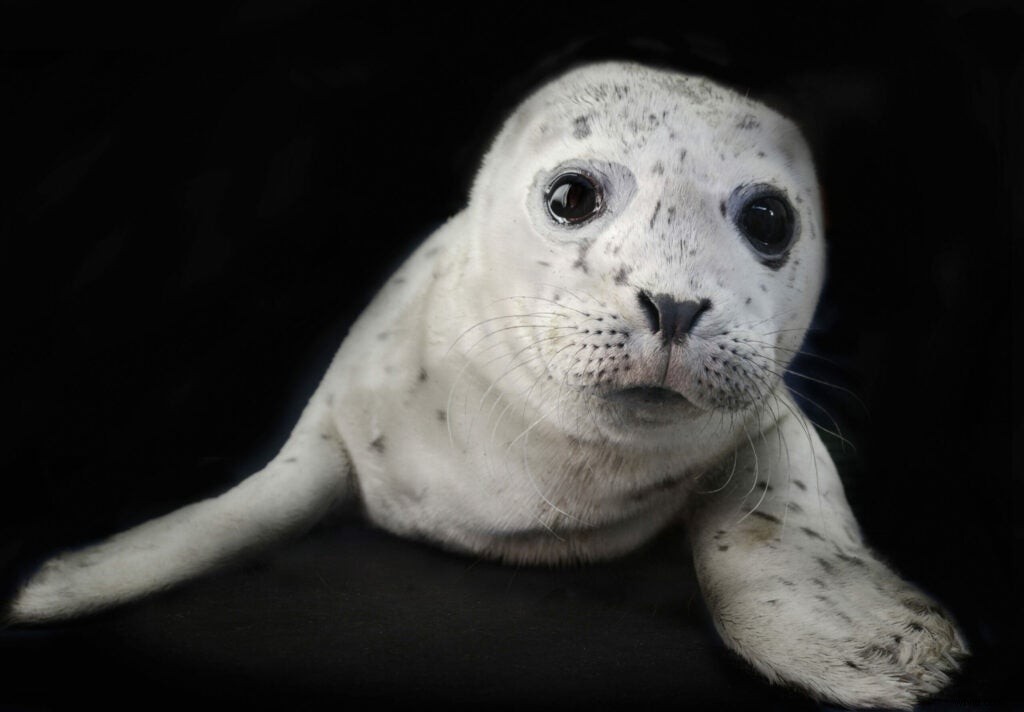
Harbor Seal, two weeks old
Scott put the squirrel in a box and drove herself, her husband, the baby squirrel and her two-week-old baby home. When she got to the house, Scott says, she realized that she had no idea how to take care of a baby squirrel.
“So I Googled,” Scott says. “I found out they had to eat every two hours! I realized I wasn’t equipped to feed two infants ‘round the clock.”
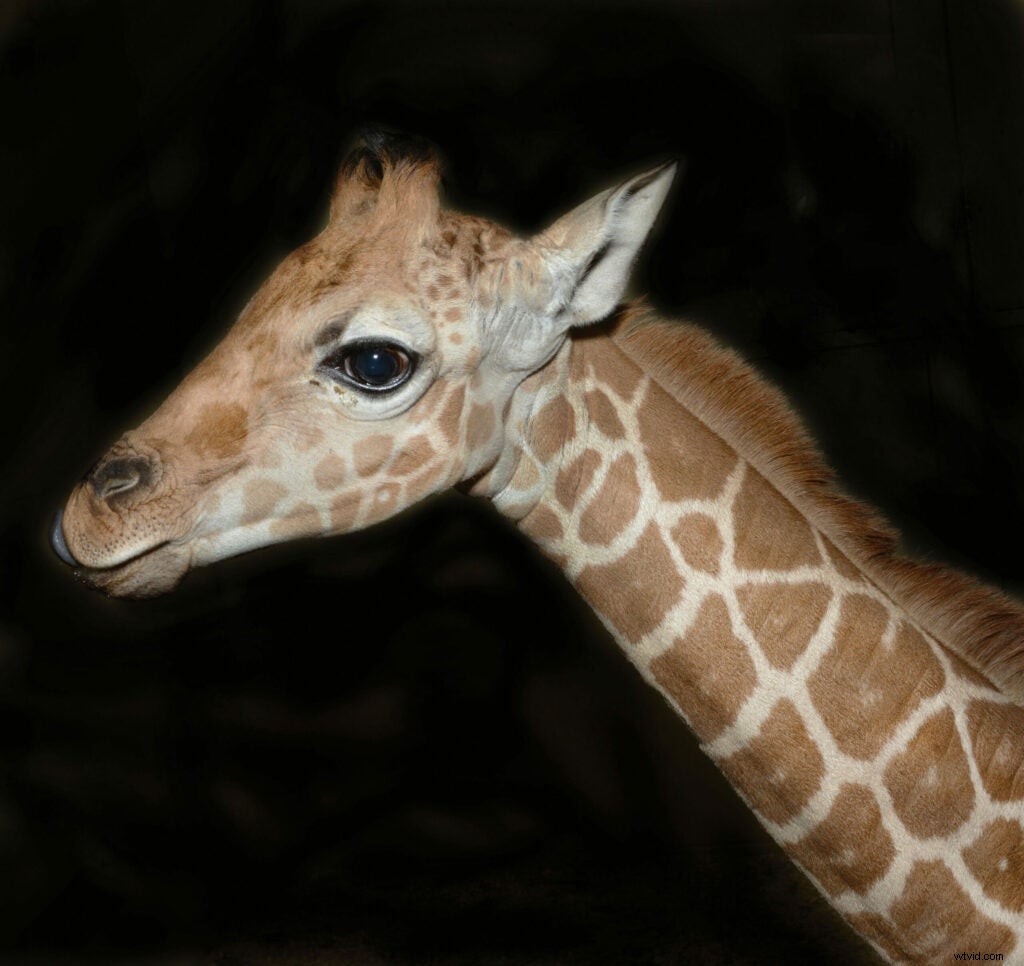
Giraffe, five weeks old
That Saturday night, as Scott researched veterinarians and animal rescues that might be able to help her care for this injured squirrel, she came across Wildlife Rehabilitators Association of Rhode Island. On its website, Scott found a list of people who took care of all kinds of wild animals: everything from possums to baby birds. One woman adopted orphaned squirrels. Despite the late hour, she picked up the phone and to Scott’s surprise, the lady answered.
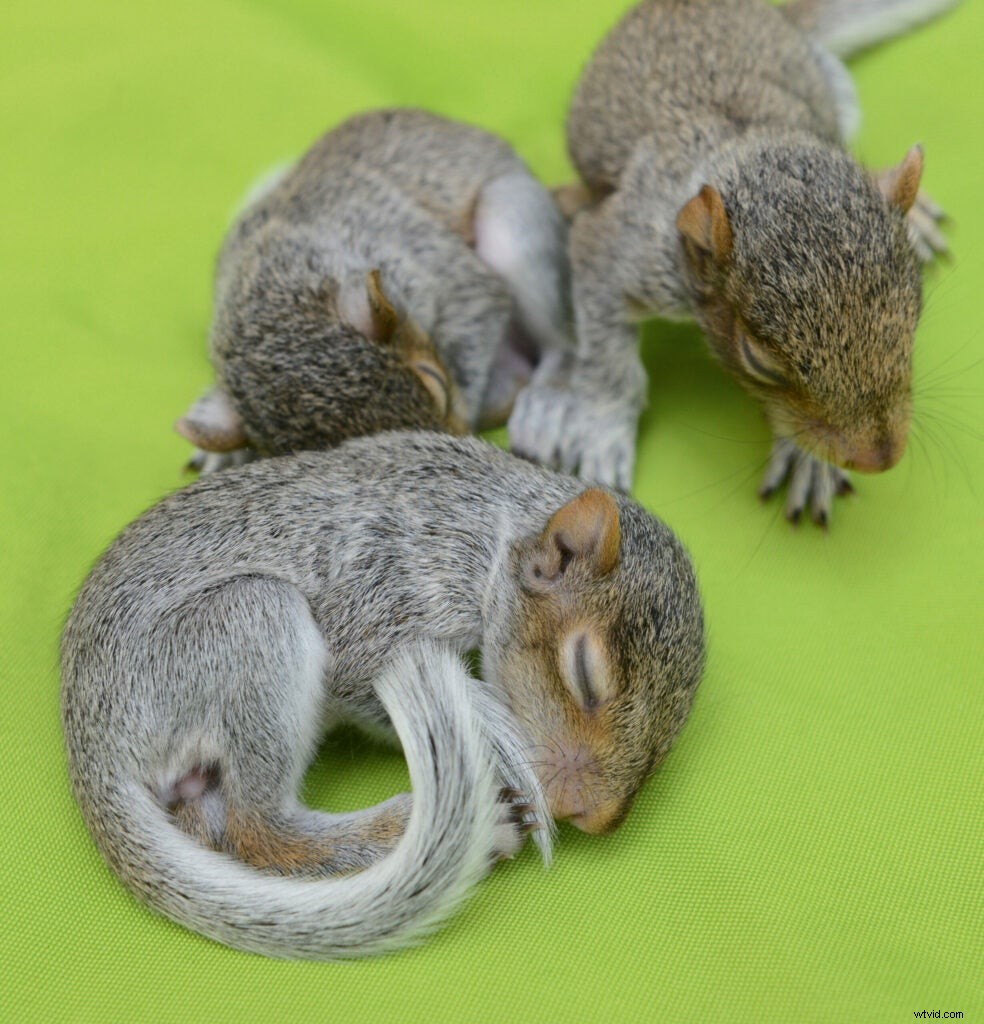
Eastern Gray Squirrel, four weeks old
During all the commotion, Scott realized the squirrel wasn’t moving very much so she put it on a heating pad. “The animal was dying,” Scott says. “I gave the baby to my husband and put the squirrel in a box and drove to this woman’s house. I handed the squirrel to the wonderful woman who answered her phone at 10 p.m. on a Saturday night.”
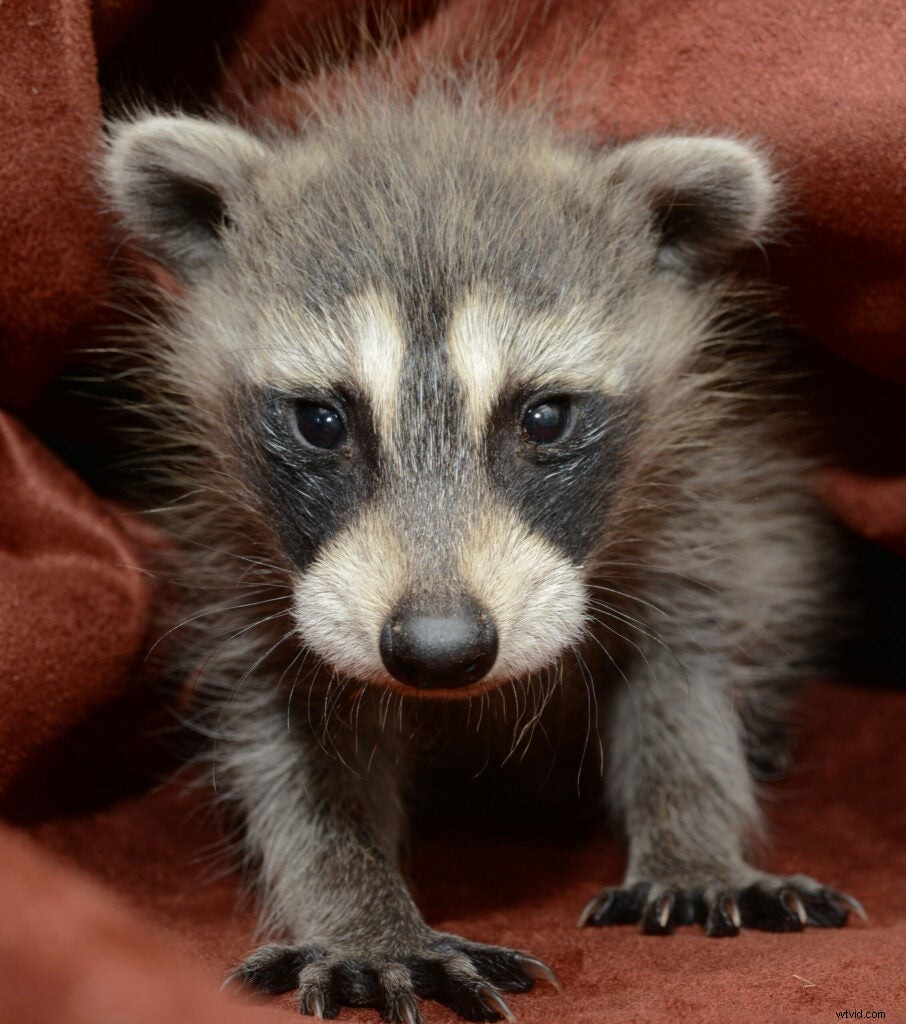
Raccoon, four weeks old
That night, back home with her own baby, Scott came up with the idea for her next project. In the end, she included more than 30 species of orphaned animals in the book, which took about three years to shoot.
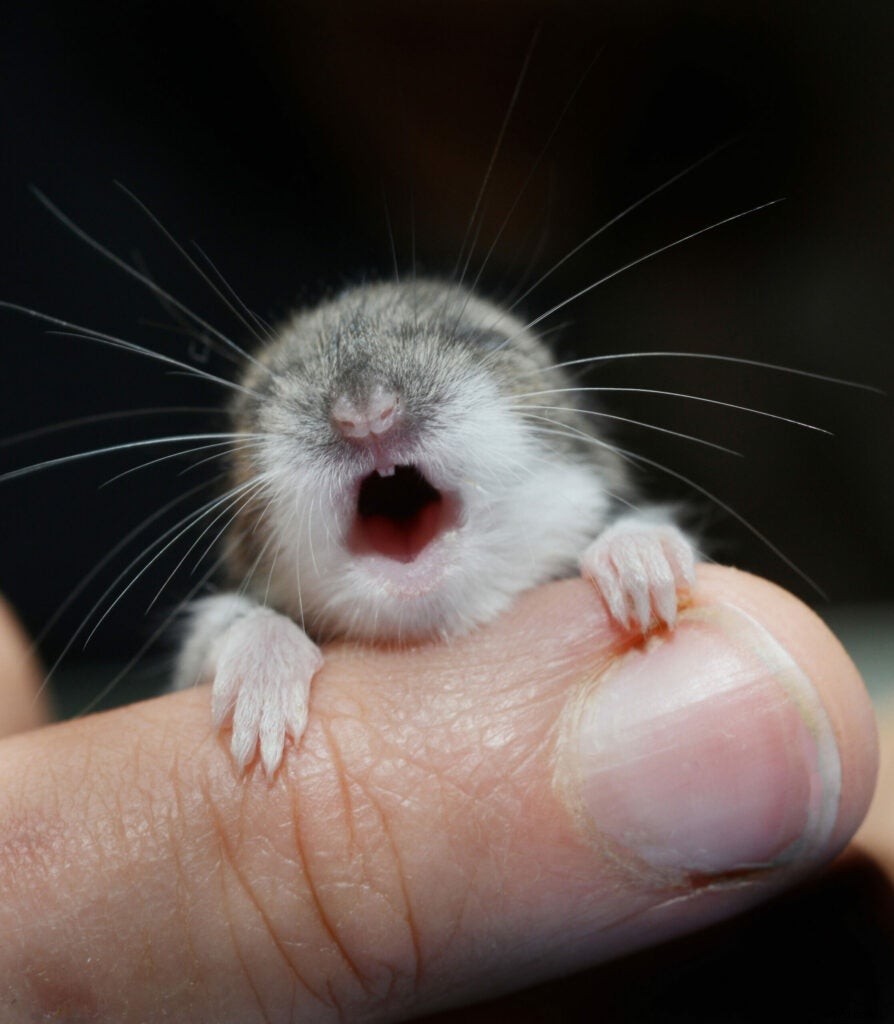
White-Footed Mouse, two weeks old
“Babies only come through for a short period of time,” Scott says. “Baby season is short—spring to late summer. I needed three seasons to get several creatures in the book.”
One of the challenges with photographing wild babies, Scott says, presented itself when she realized she had no idea which species were going to be born when. “For the years I was shooting, I was nervous that I’d be able to find enough subjects within the constraints of the deadlines,” she says. “I shot within the peak of baby season and then wouldn’t shoot for six months.”
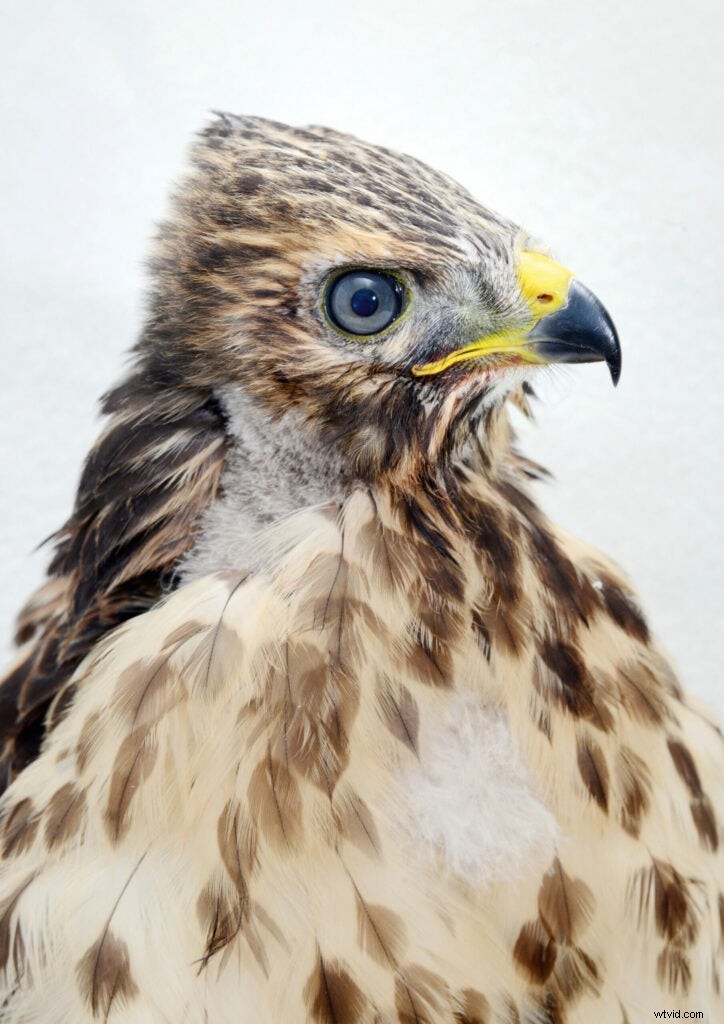
Red-Shouldered Hawk, three weeks old
At the time, Scott wasn’t a stranger to photographing wild animals. She had previously documented wild nocturnal animals for her book Nocturne. But the style that emerged in Wild Babies evolved over several “baby seasons,” and there was a lot of trial and error in getting the hang of shooting mostly small, wild animals, she says.
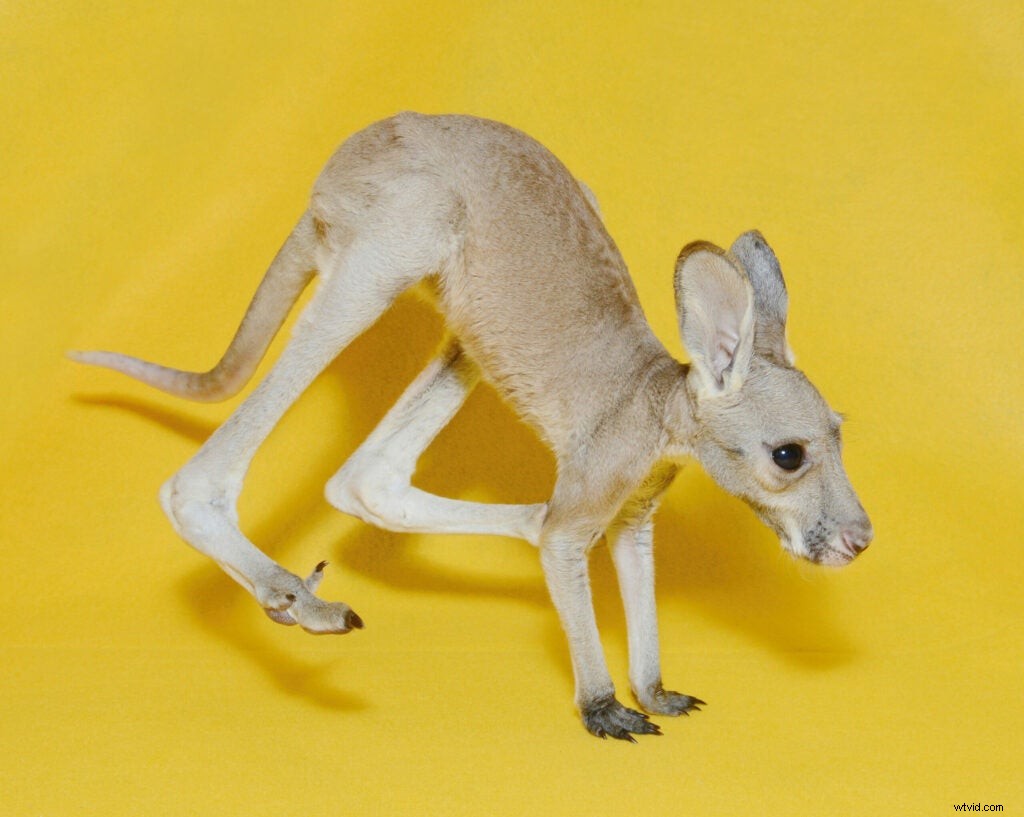
Red Kangaroo, four months old
“[The animals are] not social,” Scott says. “It’s very different than working with, dogs, for example. The learning curve was sharp, but I had dealt with [some of the same challenges] with making Nocturne. A possum is going to instinctually be terrified if you’re anywhere near it.”
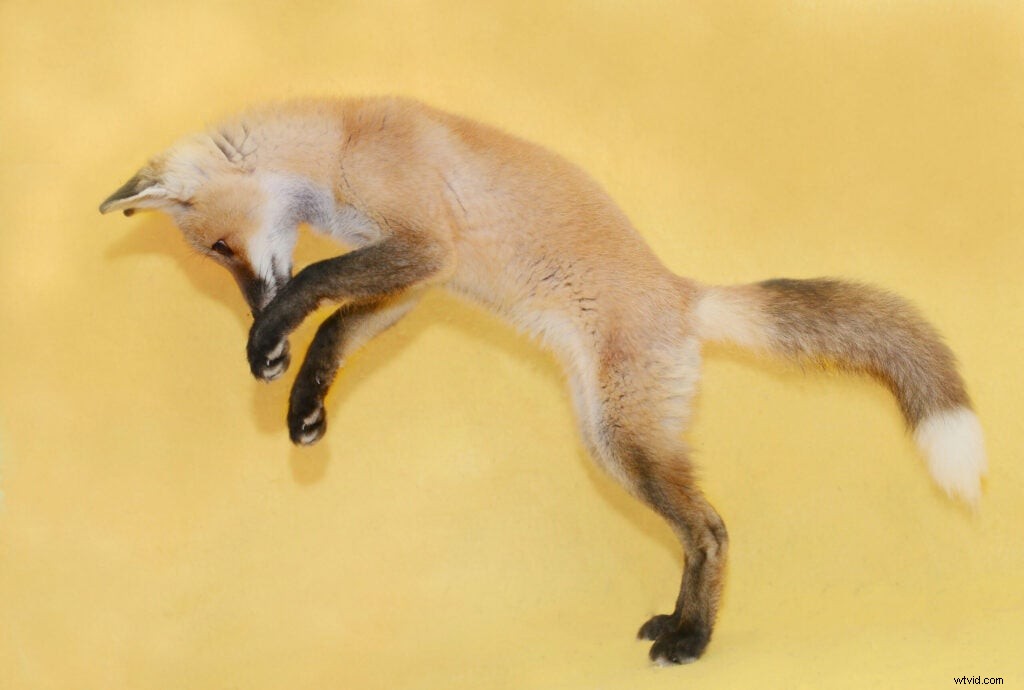
Red Fox, eight weeks old
For Nocturne, Scott had to come up with a style of photographing that kept the terrified critters safe, but still allowed her to shoot in a mock studio setting, which often was a small space in a wildlife rehab facility. Her husband Jesse Blair came up with a foam core black box with a hole cut out that she could stick a camera lens through.
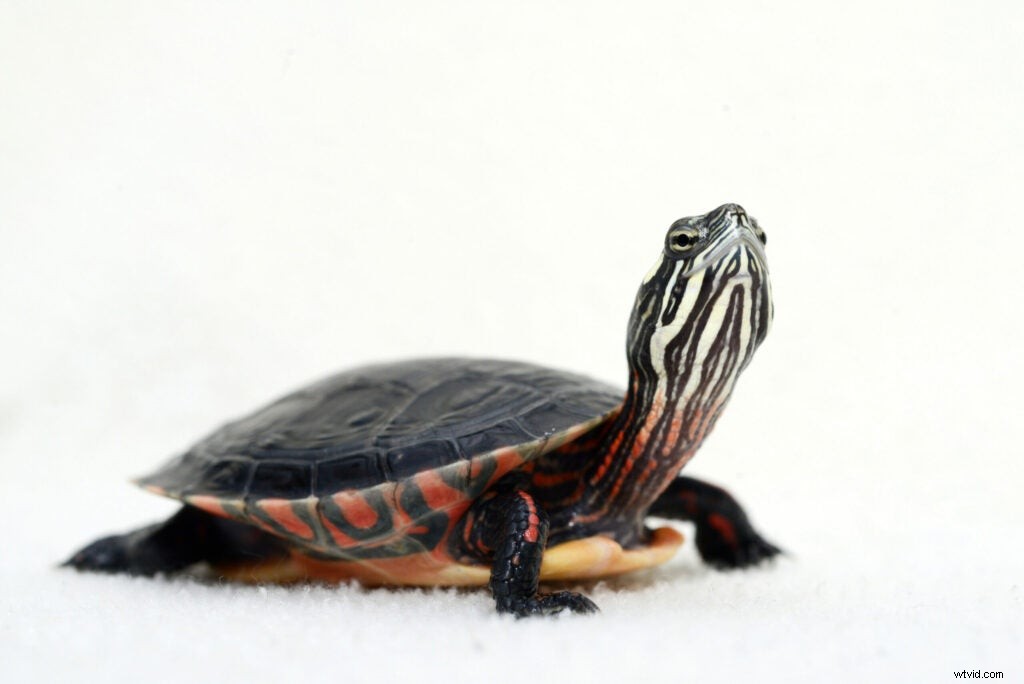
Painted Turtle, less than one year old
That box gave the animals a way to be themselves, she says. “They’re not as fearful in the box and can’t escape,” she says. “After a few minutes they would relax and start exploring, making it possible to get more candid shots.”
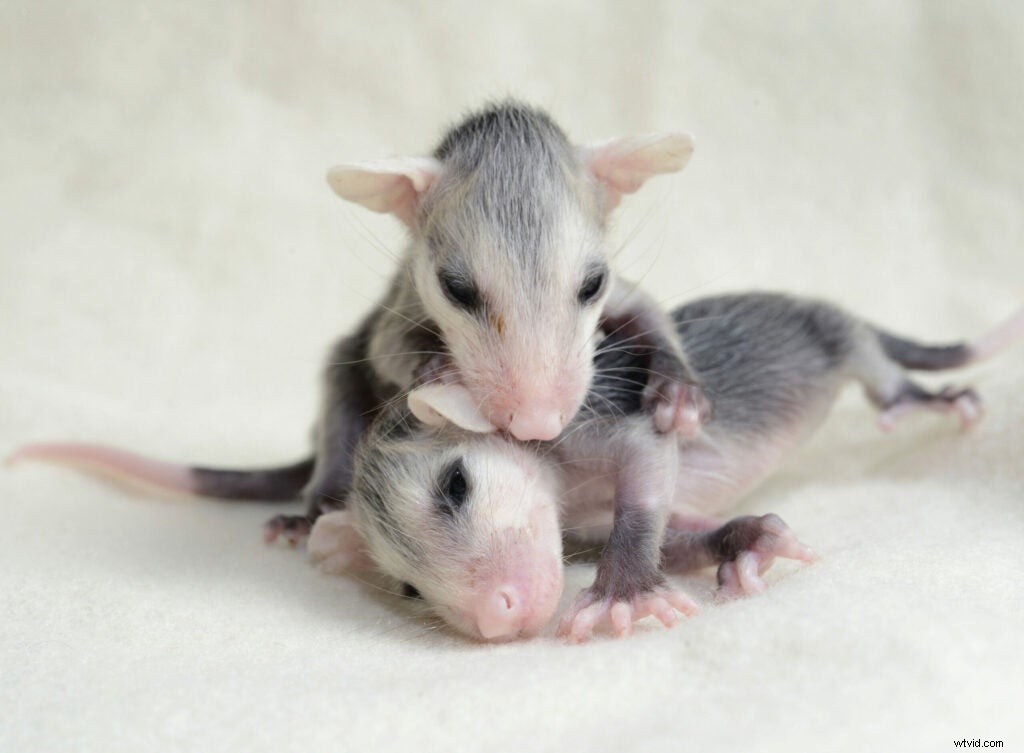
Opossums, four weeks old
As props for the babies, she tried out items she found around the clinic like towels, fleece pouches and sometimes someone’s hand. But these didn’t produce the look Scott was going for. Eventually she adapted the Nocturne box, adding colorful felt as the backdrop for the studio-style baby animal portraits.
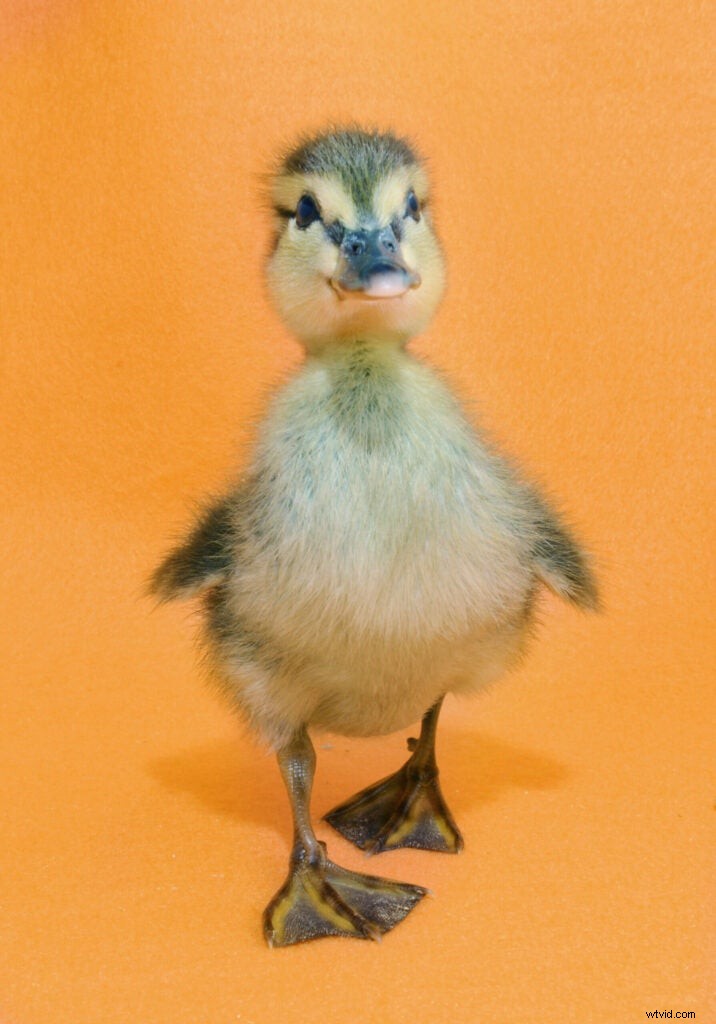
Mallard Duckling, one week old
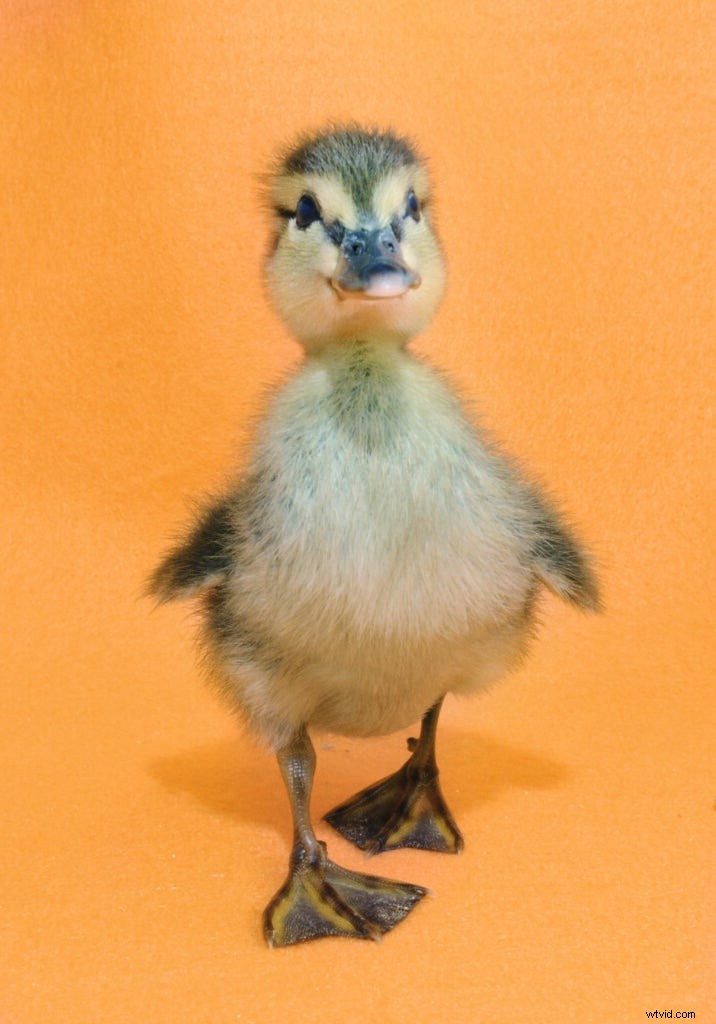
Mallard Duckling, one week old
“The need developed the box, and the style developed because of the box,” Scott says. “I needed a way to photograph the animals, and the shooting style was shaped by the box.”
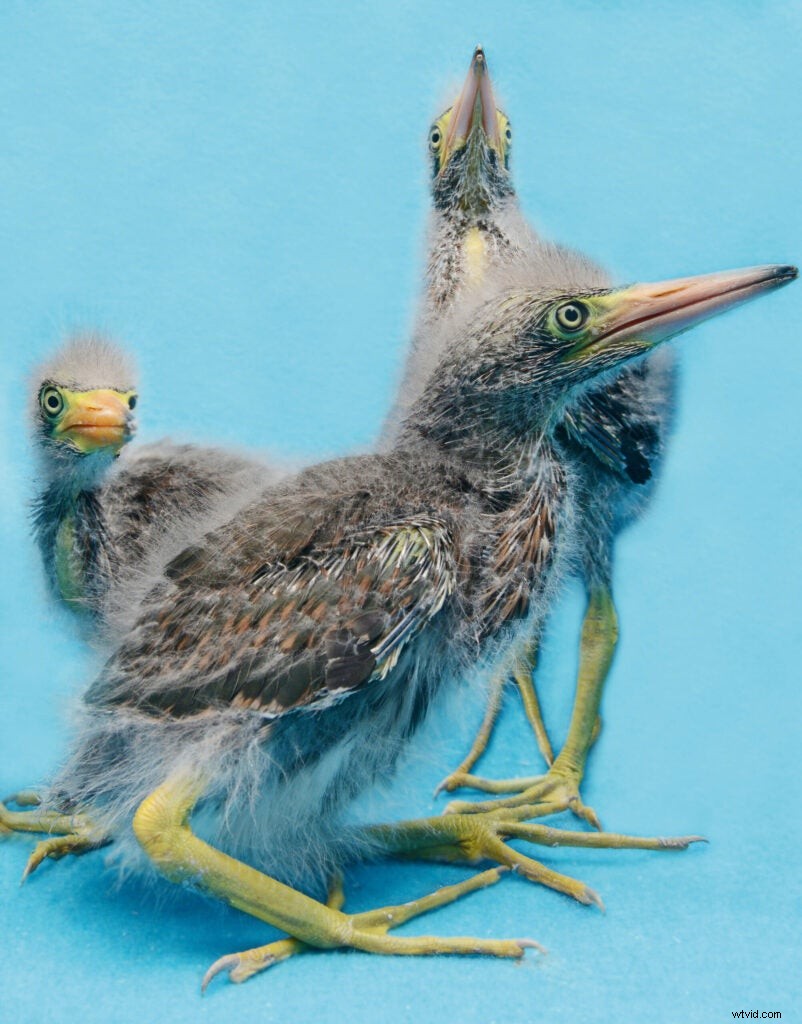
Green Heron, three weeks old
“Wild Babies is cute and sweet,” Scott says. “But a lot of these animals are orphans that wouldn’t have survived on their own but for the intervention of these private people, wildlife rehabs and clinics that help them recover all while raising them by hand.”
Wild Babies, from Chronicle Books, is out now.
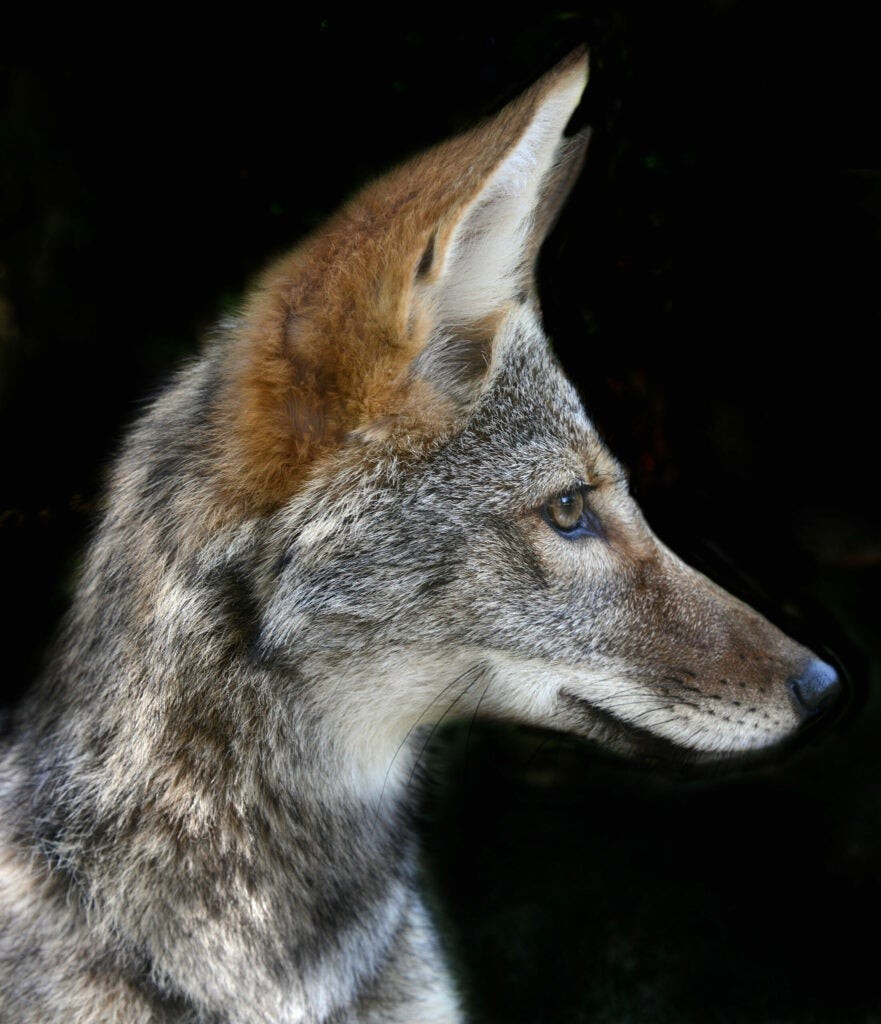
Coyote, eight weeks old
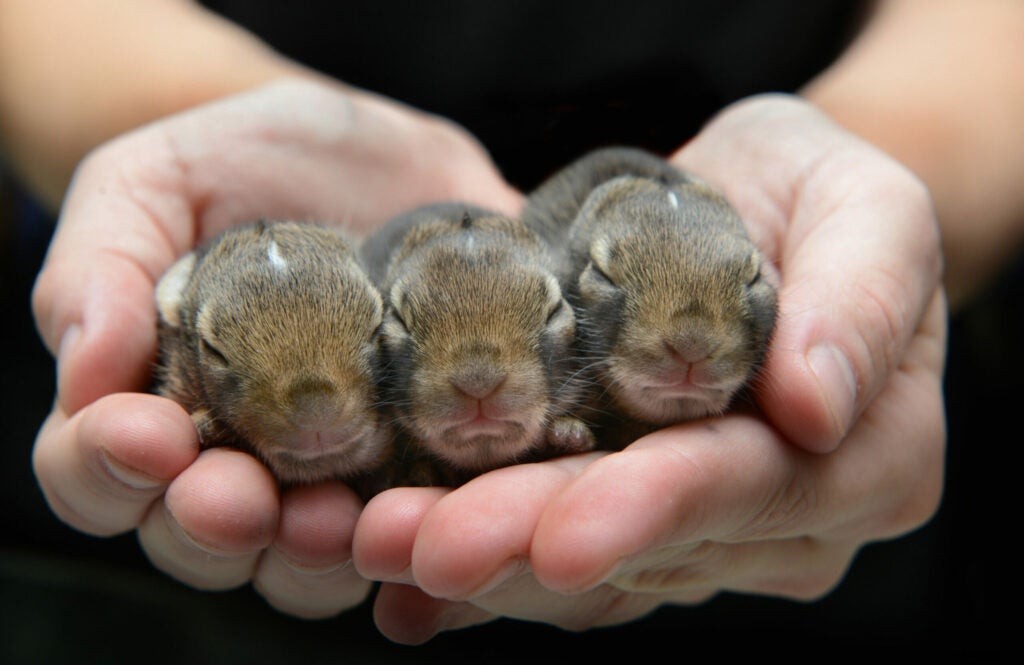
Cottontails, ten days old