
Green screen is a popular piece of kit for creating special effects within filmmaking and video creation. It can totally alter a scene or video, and have a large impact on creating atmosphere, changing locations and so on. However, green screen lighting can be tricky to get right. Allow us to step in and help with our green screen lighting tips!
How Does A Green Screen Work?
Green screens are used in movies, TV and even during the weather report on the News. There are even Green Screen effects available on social media platforms such as TikTok. Green screens are part of the special effects process known as chromakey. Chromakeying (aka color keying) involves singling out a particular color in an electronic image and using computer software to make that color transparent. This allows another image to show through. Through this process, producers and filmmakers can use technology to superimpose their subjects onto various virtual backgrounds.
How To Set Up Your Green Screen
Setting Up
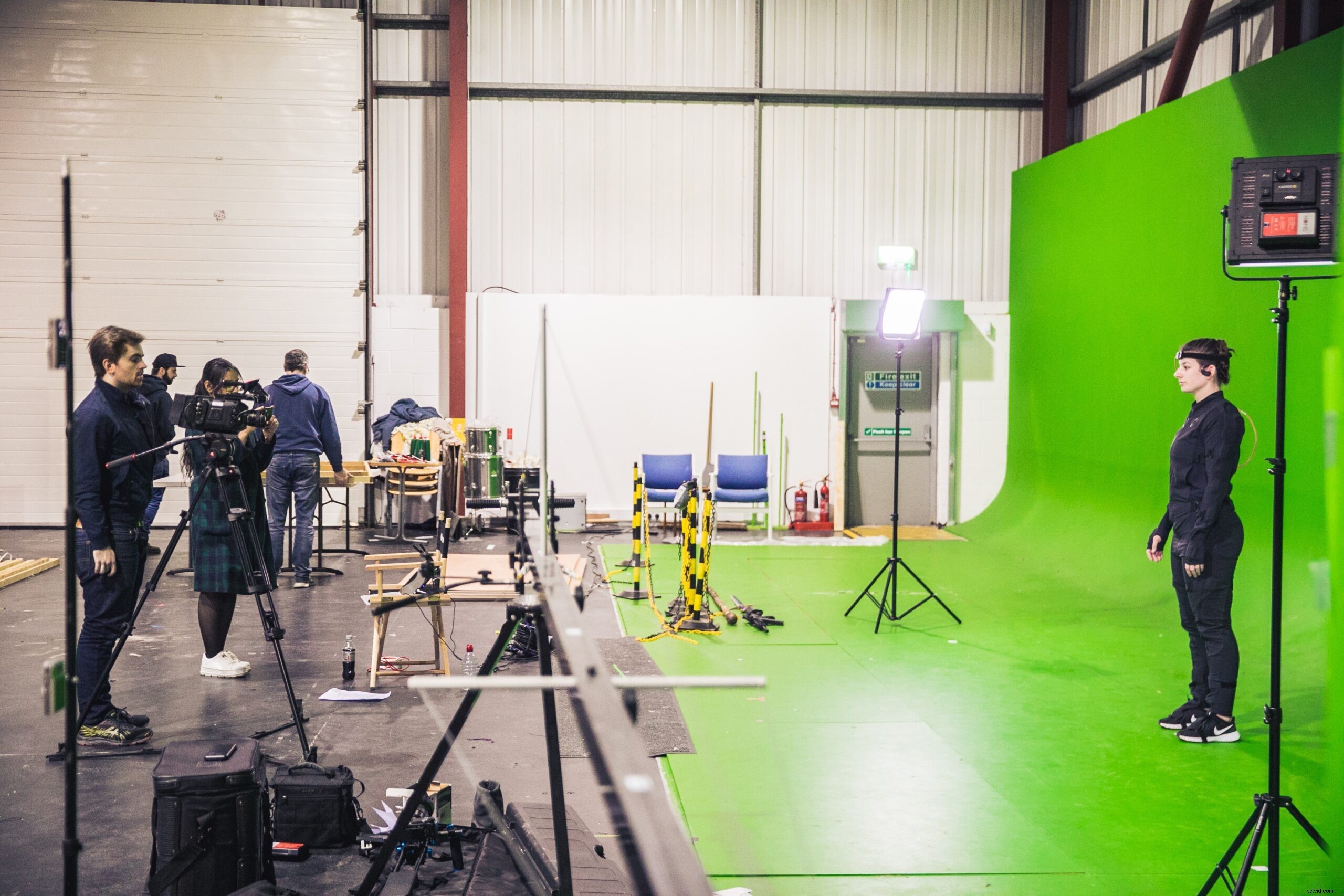
In order to set up your green screen, you must ensure the fabric is pulled tight to avoid wrinkles, as well as clean. Any shadows or marks will make your life more difficult during post-production.
Subject Lighting
Remember that your subject and green screen are technically in separate scenes, and so they should be lit separately. Make sure to keep some distance between your subject and green screen to prevent green reflections on your subject. A good idea is to use a green or red gelled backlight for your subject. This will help to create space between the screen and the subject, and the gels will balance out any green reflections.
Also, think about lighting your subject for the scene they will be in. For example, if they are going to be digitally placed in a nighttime scene, that should be reflected in your lighting.
Green Screen Lighting
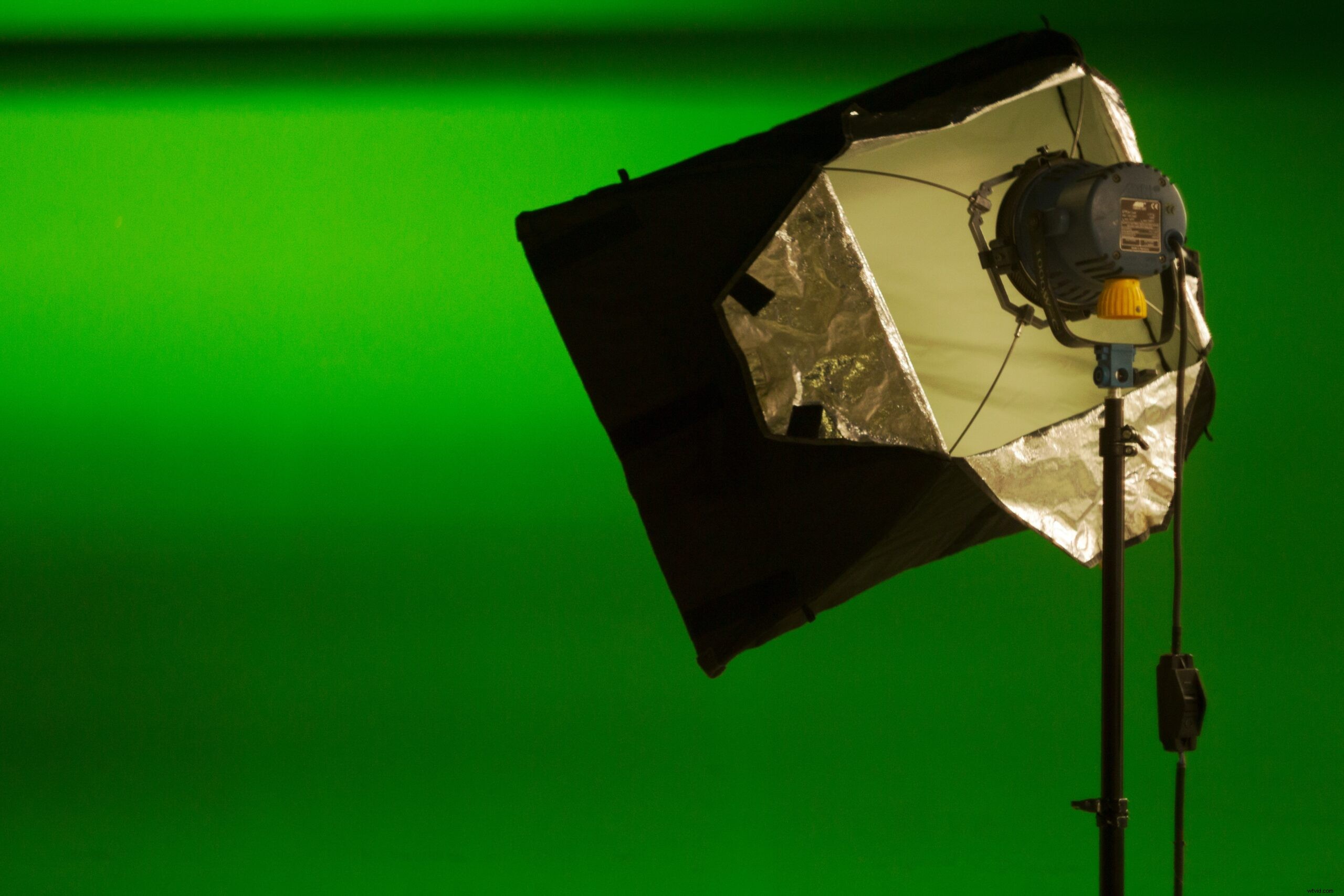
With green screen lighting, it is best to go for soft lighting to avoid shadows. Excellent exposure will help in post-production, also. If you are using multiple lights for your green screen, ensure that the lights are identical and on the same settings to maintain consistency. Position your lights a few meters in front of the green screen at a 45-degree angle, and add second diffusers for even softer light.
Green Screen Lighting Tips
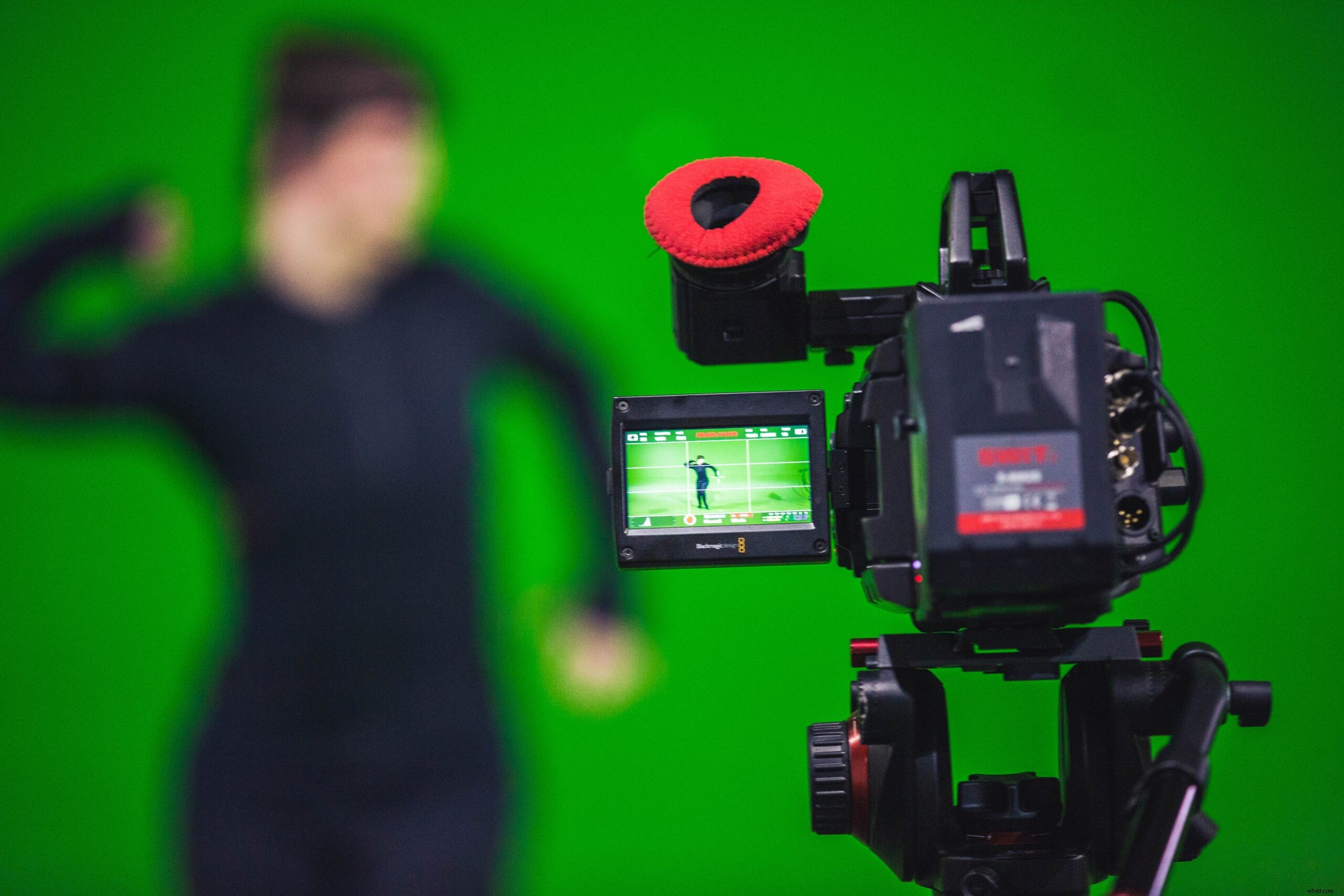
Here are some further lighting tips to make sure your green screen experience is as smooth and consistent as possible:
- Nothing in your scene or studio should be green! Also, watch for reflections in shiny surfaces or glass
- If the green screen is slightly out of focus on camera, it will help to even out any shadows or marks
- Using a fast shutter speed will minimize motion blur
- Check and run through the scene or action to check for unexpected shadows or green bleeds