
Movie tropes are narrative devices that convey meaning beyond the literal, often through symbolic objects, actions, or character archetypes. They are not the same as clichés; a trope becomes a cliché when it is overused or presented without fresh perspective. Mastering tropes allows writers and directors to communicate efficiently while keeping stories fresh and engaging.
Common Movie Tropes
Film history is rich with tropes that have shaped storytelling. Below are a few that continue to resonate today.
The MacGuffin
A MacGuffin is an object, person, or question that drives the plot but ultimately holds little intrinsic value. Classic examples include the Maltese Falcon in The Maltese Falcon and the mysterious briefcase in Pulp Fiction. When used effectively, a MacGuffin focuses characters’ actions without demanding deep explanation.
Western Storytelling
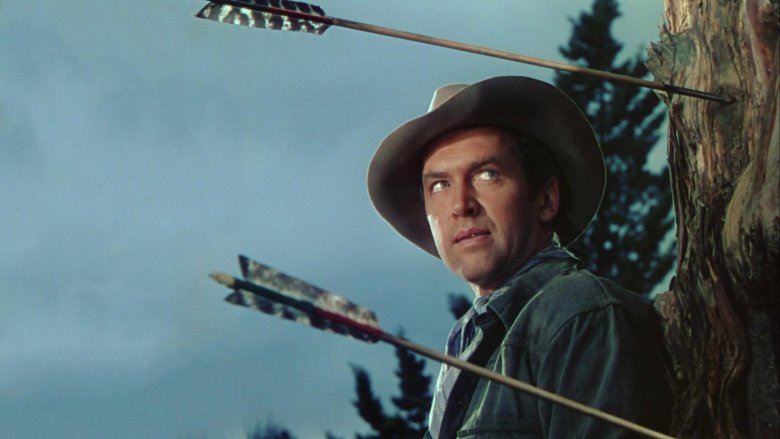
Western tropes—such as the lone gunslinger, the dusty showdown, or the frontier town—remain popular. Directors like Clint Eastwood, John Ford, and the Coen Brothers have refreshed these conventions by adding psychological depth or visual subversion. Quentin Tarantino’s use of the Spahn Ranch sequence in Once Upon a Time… in Hollywood is a recent example of subverting the classic Western climax.
Character Tropes and How to Avoid Clichés
Character archetypes can quickly feel trite if they are presented without nuance. Below is a list of common character tropes, followed by strategies to keep them original.
- Damsel in distress
- Chosen one
- Girl next door
- Femme fatale
- Mad scientist
- Trusty sidekick
- Dumb muscle
- Wise old man
- Anti‑hero
Tip: Give each character a unique voice and backstory, and let their motivations drive the narrative rather than relying on the trope’s expected role.
Additional Narrative Tropes
Beyond character archetypes, films frequently employ thematic and visual tropes. Here are some that often surface in popular cinema:
- Alien invasion
- Undead threat
- Villain’s throne
- High‑stakes love triangle
- “Walk away from an explosion” escape
- Red‑wire sabotage
- Cold logic vs. hot emotion
- “Final girl” in horror
- Black character as the first to die
Recognizing Outdated and Harmful Tropes
Some tropes that were once common now perpetuate stereotypes or offend modern audiences. Avoiding these ensures respectful storytelling.
- Blackface and “noble savage” depictions
- Racial caricatures such as Cowboys vs. Indians
- Underage romance with adult characters
- Gay characters “turned straight” by a partner
- Gender‑bending portrayed as comedic or evil
- Subservient Black characters as sidekicks
- Romanticizing mob justice
- Spanking as punishment for women
- Colonial heroism without nuance
Cliché Horror Tropes and How to Subvert Them
Horror films often rely on familiar beats, but creative subversion can turn a predictable trope into a fresh experience.
- Blood‑soaked white character
- Sexual encounter leading to murder
- Women running and falling repeatedly
- Invincible antagonist
- Final girl framework
- Black character dying first
- Bathroom violence as shock value
- Unstartable car
- Foreboding old man warning of danger
- Conveniently limitless ammunition
Jordan Peele’s Get Out demonstrates how re‑imagining the “black victim” trope can create profound social commentary and commercial success.
Practical Tips for Writing Fresh Stories
Here are actionable strategies to keep your narrative from falling into cliché:
- Focus on authentic, multidimensional characters.
- Embrace narrative uncertainty; let the audience discover motives alongside your characters.
- Conduct thorough research to add depth and avoid surface‑level assumptions.
- Resist defaulting to classic screenplay structures; innovate with pacing and perspective.
- Explore uncommon themes and settings.
- Allow characters to confront moral ambiguity and emotional hardship.
- Identify the true desires of each character; align plot beats with those goals.
- Seek opportunities to subvert or exaggerate expected tropes.
- Develop characters outside the story world to inform their on‑screen behavior.
- Permit character growth and change, reflecting real human evolution.
- Deliberately avoid overused scenarios that feel stale.
Tropes vs. Clichés vs. Archetypes
A trope is a recurring narrative device. A cliché is a trope that has become predictable. An archetype is the foundational model from which tropes evolve. Understanding these distinctions helps writers deploy tropes intentionally and subvert expectations.
Example: Using a “hero’s journey” trope in a romantic comedy can surprise audiences when the protagonist ultimately chooses love over adventure—turning a cliché into a compelling twist.
What Is an Archetype?
Archetypes such as the hero, the mentor, or the shadow are the original prototypes that cultural stories draw upon. Tropes are the evolved expressions of these prototypes in specific contexts.
By mastering both the archetypal roots and the contemporary tropes, filmmakers can craft stories that feel familiar yet inventive.
Ready to elevate your screenwriting? Apply to the Nashville Film Institute and gain expert mentorship in leveraging tropes to strengthen your storytelling.