The Rule of Thirds Definition and Examples
The Rule of Thirds is an effective technique which allows even an amateur artist to create gripping photos and videos. We’ll tell you with simple words and examples what it is exactly and how to use it.
- What is the Rule of Thirds
- What is it for
- How to use the Rule of Thirds with examples
- Breaking the Rule of Thirds
- How to make your ready video meet the Rule of Thirds
What is the Rule of Thirds
As the very title implies, this rule deals with thirds: to apply it you should divide a frame into 9 equal blocks with the help of two vertical and two horizontal lines.
Those lines create 4 intersections – so called, Rule of Thirds Grid. You can find it in your camera settings, the majority of modern cams or smartphones have it as an in-built option.
The rule is: you must place the main object of the composition aligned with one of the lines or on the spot of an intersection instead of the centre.
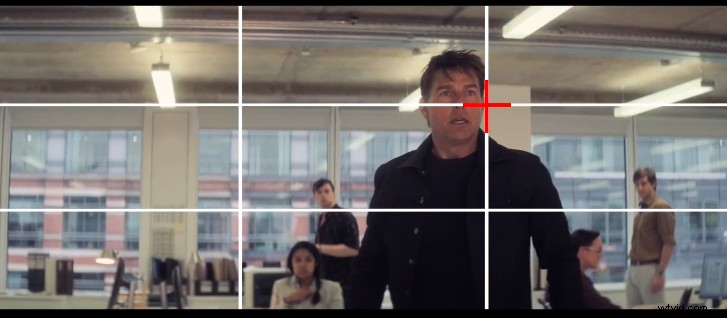
For example, if we want to create an artistic portrait, a figure must be aligned with either left or right vertical lines. The intersection is very likely to be on the eye of the object.
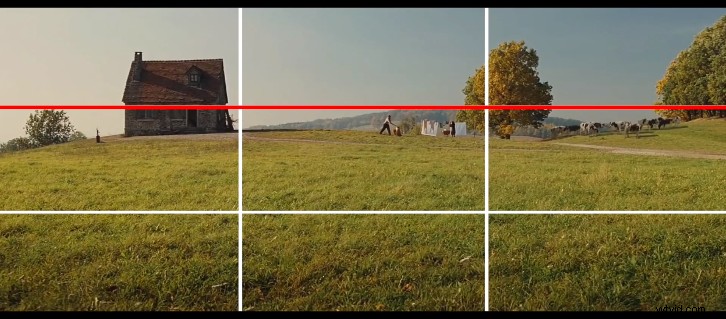
If we have landscape images, the horizon line must match either top or bottom lines.
What is it for
The meaning and the aim of the Rule of Thirds is to make an image more dynamic, even dramatic.
Being displaced from the centre, the object seems to be moving, we can even guess the direction. It is explained with the fact that we glance at the object first and then unconsciously look at the centre.
We can also add more details to the frame, create a meaningful background and even tell a complete story.
As for the landscapes or square images, here we can put a focus on the part we are most interested in: if the horizon goes with the bottom line, the sky plays the main part. If we want to emphasize nature, we’ll move the horizon to the top line.
How to use the Rule of Thirds with examples
Add some story:

The main character - a little girl - is aligned with the right vertical line. But the image isn’t “flat”, it has dimensions - we can see her parents in the background, and can guess from their emotions how they adore their daughter.
Add some air:
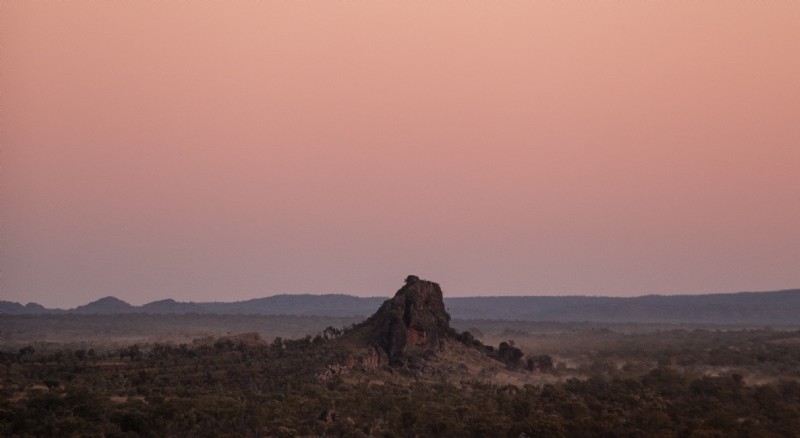
The horizon goes along the bottom line so that the sky takes ⅔ of the space. We can almost feel the tranquility and serenity of the place.
Add some action:
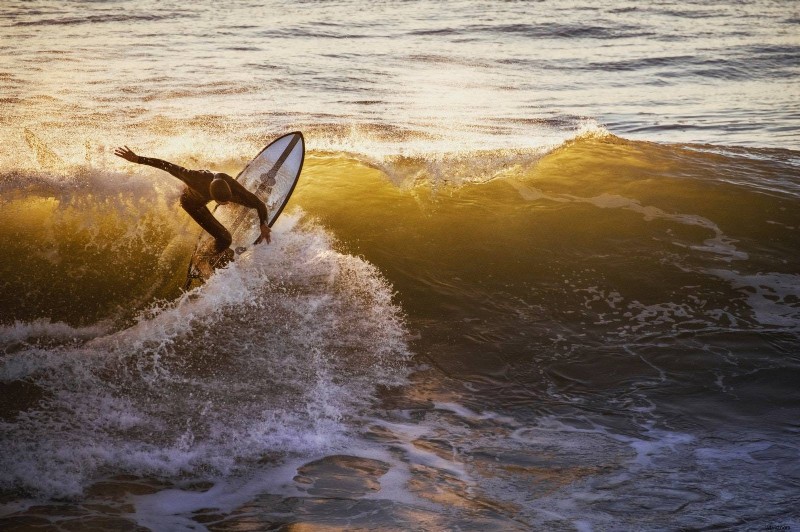
The figure’s position defines the message: we can see that the surfer is moving dynamically, from the left edge of the frame to the right one.
Breaking the Rule of Thirds
There are no rules without exceptions. Especially since the Rule of Thirds is not a real rule – it’s more a hint or a technique and it is up to you to decide whether to use it or not.
There are the cases when the object can and must be centred:
- To show a symmetry – for example, “mirror” images, with a forest reflecting in the lake surface, or railways.
- As a cinematography style – Stanley Kubrick is a known master of such frames.
- To emphasize that there is no motion, it’s a static scene — for example, portraits.
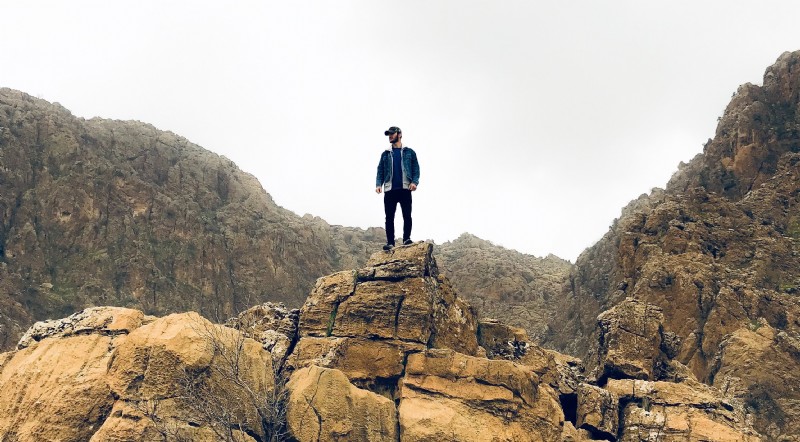
Overall, as it was already said, there is no such a thing as a strict Rule of Thirds in photography – it’s just a recommended base to follow, but every artist can find their own unique style.
How to make your ready video meet the Rule of Thirds
With the help of a special tool, of course. You may find and download an app to your smartphone or computer, but usually it is much more comfortable to edit online.
That’s when Clideo service comes in handy. It’s not only fully online, it’s also free, secure and user-friendly.
Just follow three easy steps:
- Open Video Cropper in any browser and upload a video from your personal device or cloud storage account.
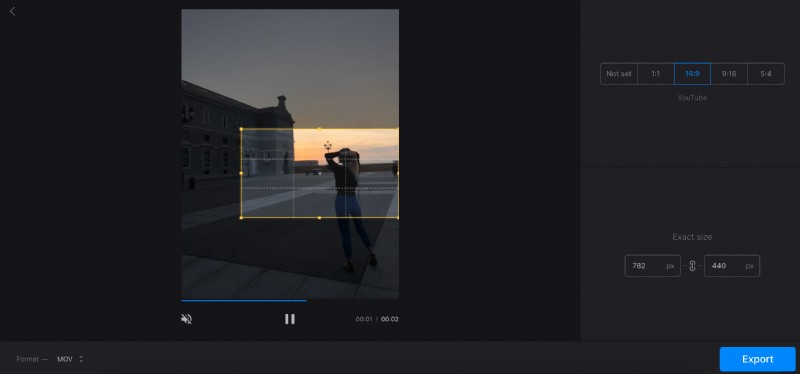
- Select an aspect ratio you need and move the grid to find the best position. You can also extend the grid or change its size manually.
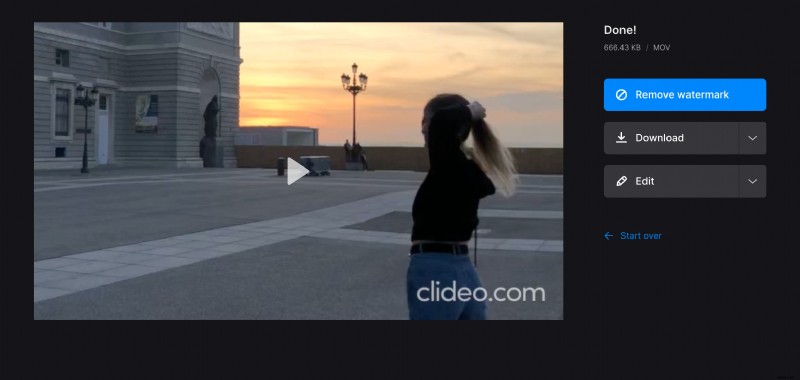
- Process the cropping by clicking on “Export” and save the result.