
When it comes to buying and shooting with instant film, know what you’re getting into with the tips in this helpful video tutorial.
Whether you’re an experienced photographer with both film and digital, you’re just starting out, or you’re somewhere in the middle, instant film is one area that proves to be much different and more expensive than any other way of taking photos. No matter the camera or film you’re shooting with, there are a few things to expect and prepare for before you go out on your next shoot.
1. Know How Your Camera Auto-Exposes
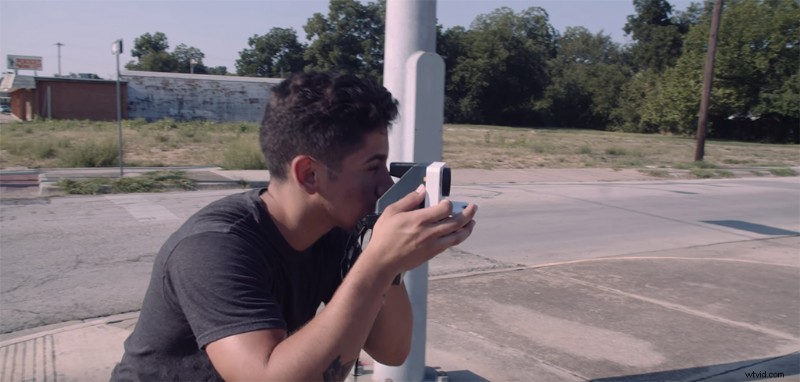
One of the many surprises that come with shooting film, and especially instant film, is knowing how your camera handles exposure.
Modern instant cameras all give the user a certain amount of control and precision. Most older Polaroid cameras only let you control exposure with a small knob that can either be moved into the white zone or dark zone. This just means the camera will allow more light into the lens (a longer shutter) or less light (a faster shutter). If you’re working with something like the Fuji Instax cameras, the only control you have is over using flash.
2. Start with Landscape
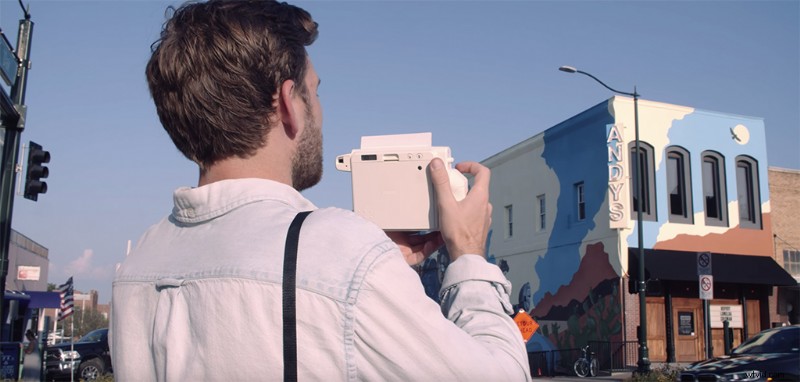
Figuring out the focus for instant cameras can be one of the must infuriating aspects of the medium. You can’t control the focus necessarily, but you can tell the camera roughly how far away your subject is.
Shooting something at “infinity” is much more likely to turn out the way you want than something four feet away. So, taking photos of landscapes will allow you to play with your camera a little more liberally. Film costs a relatively high amount and when you take a portrait of someone, you might not have your camera figured out or know exactly how far away you need to be. Basically what I’m saying is, you don’t want to waste a good shot and you especially don’t want to waste a good shot right in front of someone. So start by learning how your camera works and knowing how to get the shot you want.
3. Be Familiar with the Different Brands and Looks
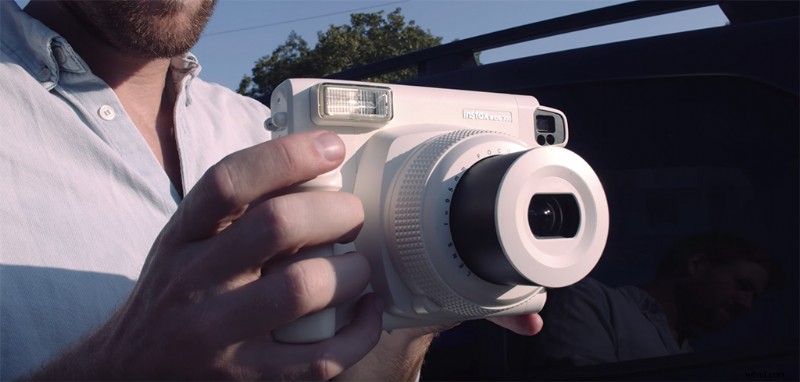
One positive thing about shooting instant film is the lack of competition. It’s not like digital where you have 18 million different types of cameras and brands to choose from that basically offer the same thing with microscopic changes. Right now, as of fall 2019, there are two major instant film brands to choose from; Polaroid and Fujifilm. Polaroid’s newest camera release, the OneStep 2, is around $115 and takes their i-Type film. Fujifilm, meanwhile, offers about 9-10 Instax cameras. It’s a lot more to choose from but they’re all roughly the same thing. There are, however, significant differences between the Instax WIDE and Instax MINI that you can see here.
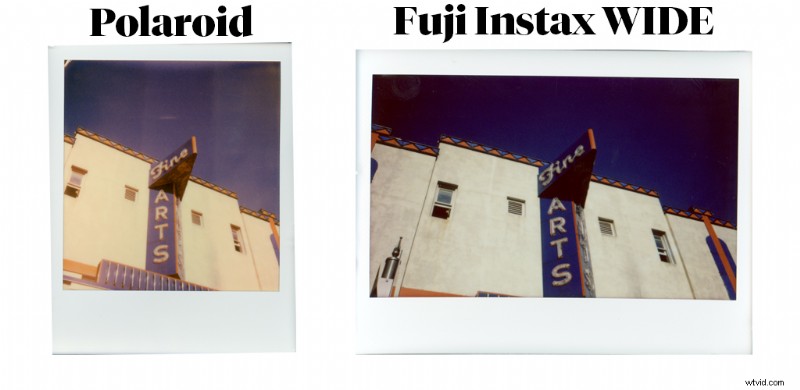
Now, aside from the brand name, the prints do look drastically different with variance in color, contrast, physical material, and focusing abilities/distance. Below is an example of how different the two shots can look when placed right next to each other. So, know what you want out of your film and cameras so you don’t feel you wasted your money once you start shooting.
4. Know How to Shield and Carry Your Print
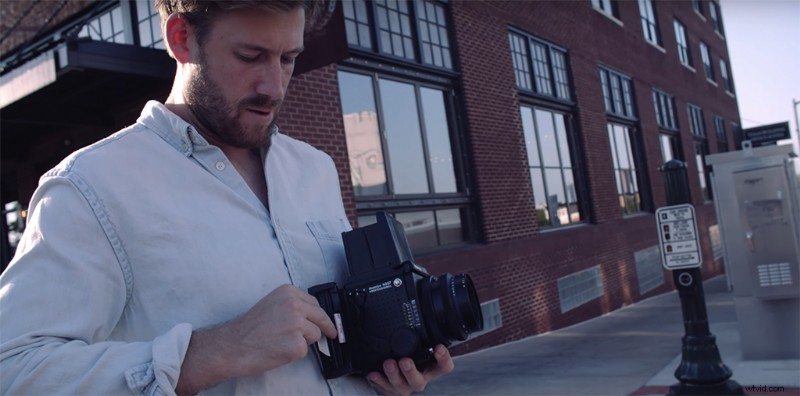
One of the biggest ways I screwed up on my recent instant film shoot was that I had no place to carry the prints. I ended up sticking them in my shirt pocket. I just had never considered what would happen after shooting through an entire pack of film.
There are different ways you can store the prints, whether it be a specific designed bag or just putting them in your backpack. Whatever you use, you want to shield them from the sun and keep them from getting bent or scratched. One of the best film channels on YouTube, Analog Things, breaks down a few different brands and materials you can use to store your negatives in the tutorial below.
Another solution to consider is to just bring the box that the prints came in originally. If you don’t want to spend money on a literal box, simply use the one you already have. Just remember to try to keep the print out of direct light for the first ten to fifteen minutes after you take the photo.
5. Scan Them Immediately After
Now, I know that the whole point of shooting instant film is to have the physical copy. There really is nothing better than holding a physical example of the work you’ve done. That’s what makes shooting instant film so fun!
But, I can’t tell you how many times I’ve either lost a print, or something has happened and damaged the goods. So, if you scan the prints right away, then put them wherever you need to put them, you’ll always have the picture even if it’s a digital copy.
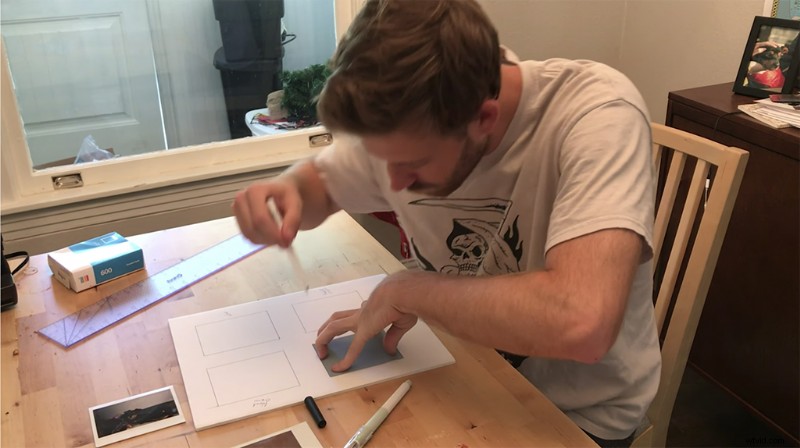
If you’re wondering how to scan the photos, you don’t have to buy a scanning plate online. You can make one yourself! I made one in the video above and the DIY method is very cheap and super easy. Matt Day made a video a little while back that explains the quick process. Check it out below.
Interested in the music we used to make this video?
- “Pianissimo” by Youth Faire
- “Bushido Belief” by Tonemassif
- “As Long as You Wish” by Martin Riopel
- “Deep Sea Dream” by Martin Ropel
- “Back in 80s” by Denis
Want more video tutorials? Check these out.
- Electroluminescent Wire: A Different Type of Long Exposure
- The 7 Best Smartphone Video Editing Apps in 2019
- How Many People Do You (Really) Need On a Film or Video Set?
- How We Got 100,000 Subscribers on Our Youtube Channel
- NASA: Your Unexpected Free Sound Effect Resource of the Day