
In this interview, we talk with the filmmakers behind “1985” about the challenges they faced shooting on retro film stock.
All images via 1985.
Fresh off of its world premiere at SXSW Film Festival 2018, Yen Tan’s “1985” made a homecoming stop at the Dallas International Film Festival (where it took top prize in the festival’s Texas Narrative Competition). Director of Photography HutcH took a moment to chat about shooting “1985” on film stock (Kodak Double X Negative, to be exact — one of Kodak’s oldest still in production) and some helpful advice for all film stock filmmakers to consider.
1. Do Your Research
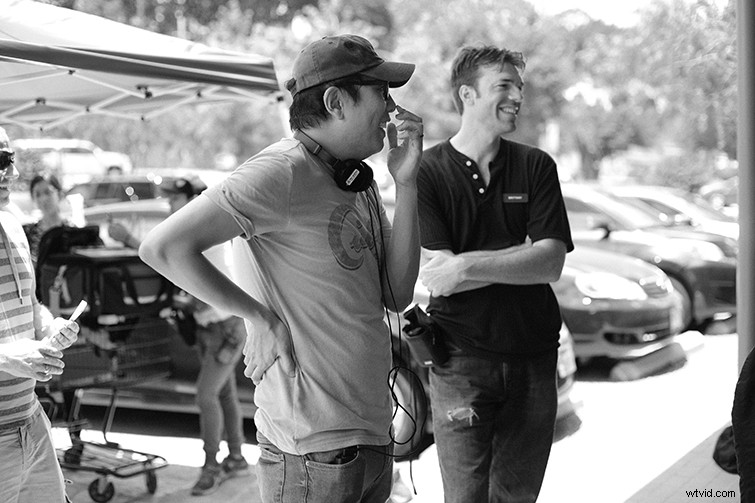
“1985” is the story of a closeted young man returning to his Texas hometown for Christmas during the first wave of the AIDS crisis. Shot in black and white, the film’s star Adrian (Cory Michael Smith) becomes the focus as the film lures you in with a slow burn pace. The grain and contrast truly does make it feel timeless and relevant — rather than a time capsule of a particular time and place.
2. Photography First
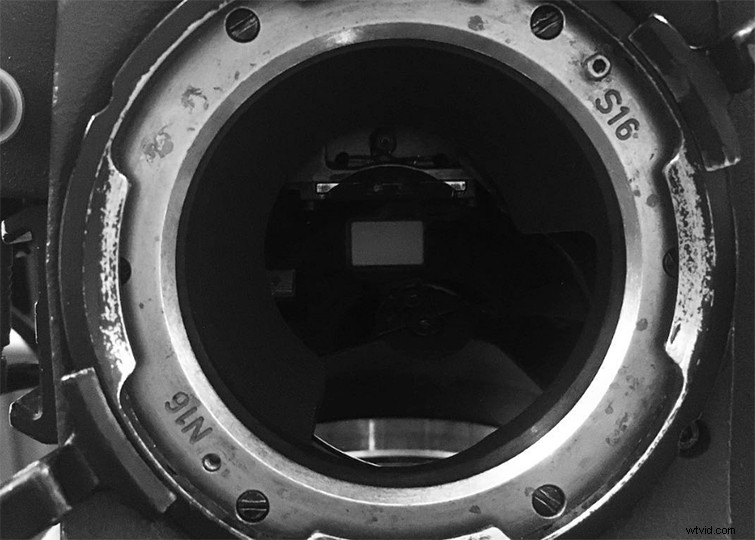
For HutcH, who has shot other films like Some Beasts and “Minor Setback,” shooting on film is more than just a stylistic preference. Learning to shoot still photography first is great advice for any aspiring filmmaker — even more so for those looking to go into cinematography and work with film in the future. It teaches you respect for the medium, as well as a detailed understanding of all the concepts and principles you’ll need later.
3. Test as Much as Possible
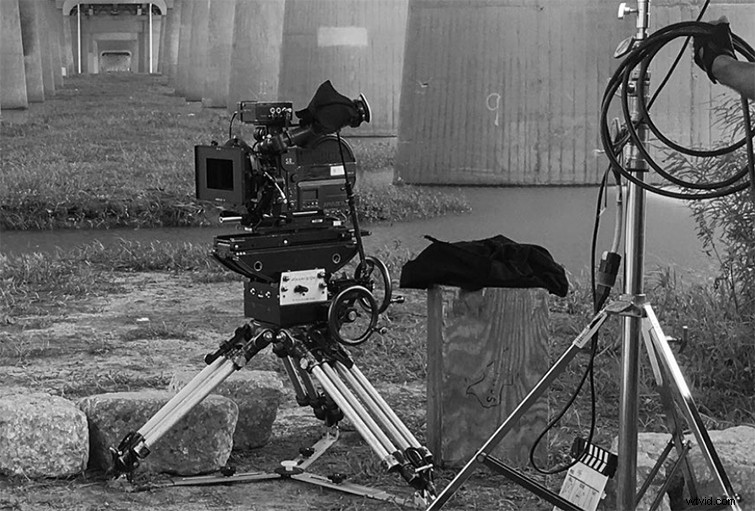
This is especially true for those shooting on film for the first time — you should test everything from cameras to film stock to processing workflows. By the time you actually roll, as was the case with “1985,” you should know with 100% certainty how your footage will look in all types of environments and lighting conditions.
4. Load Carefully
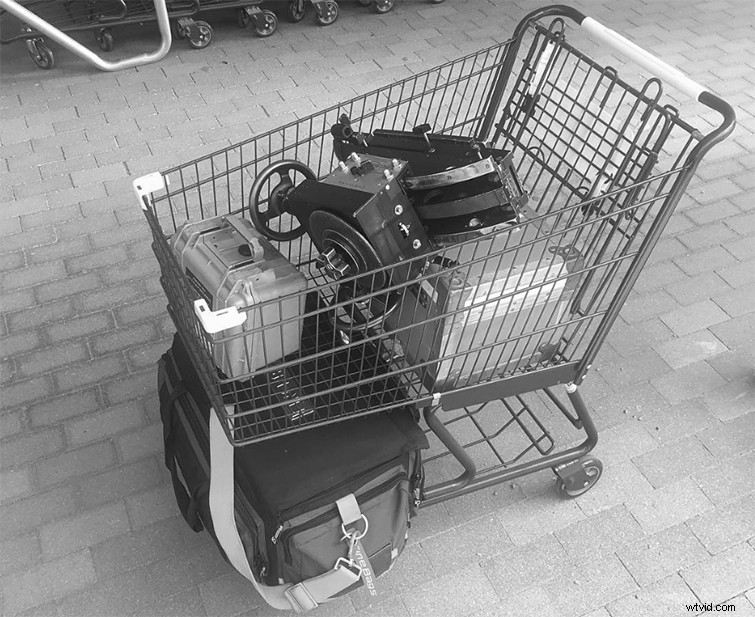
Loading film stock was another aspect HutcH learned to respect by getting started in photography. Trial and error is always a great way to learn anything, so messing up a load and ruining some film on a small photography shoot is a much better learning experience than doing so on an expensive film set.
5. Dynamic Range
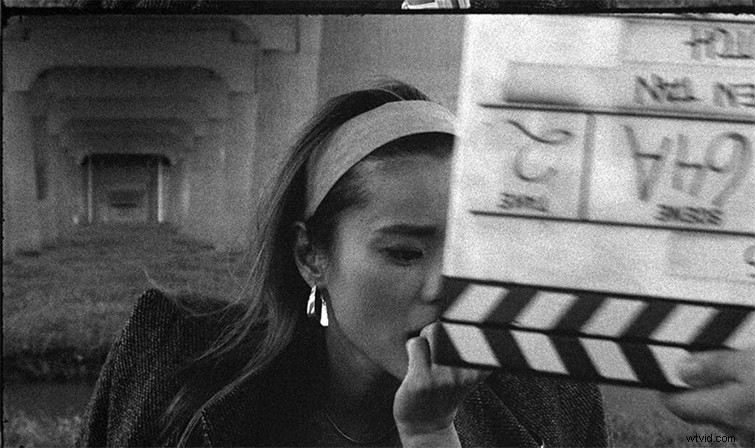
When making their film stock decision, HutcH and director Yen Tan wanted this vintage aesthetic. However, when shooting on old film stock, the decreased dynamic range creates a whole world of problems (or possibilities depending on how you look at it) with lighting and creating contrasts and grain in every shot.
6. Embrace the Grain
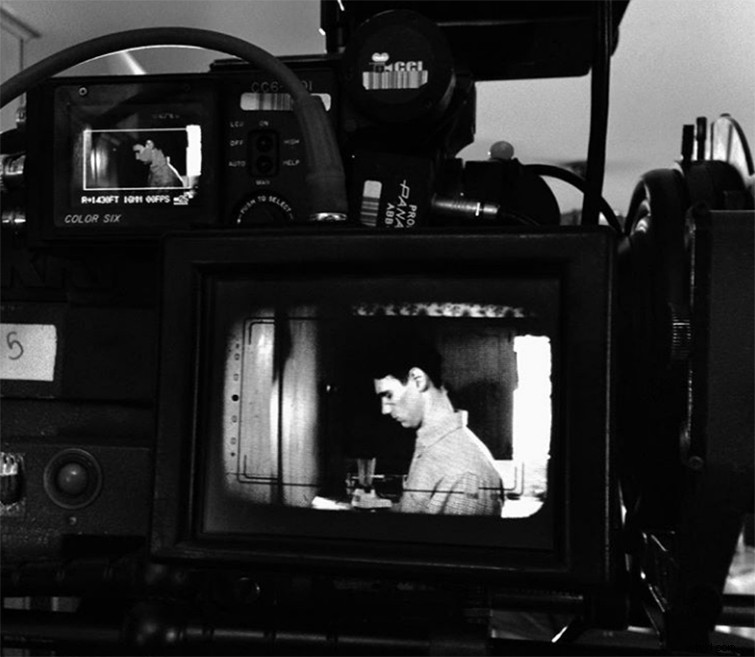
While HutcH and Yen Tan embraced the grain to help give their film its style and aesthetic, it also meant a lot of work for HutcH in post: cleaning up dust and scratches shot by shot and frame by frame, at times.
7. Processing Timelines
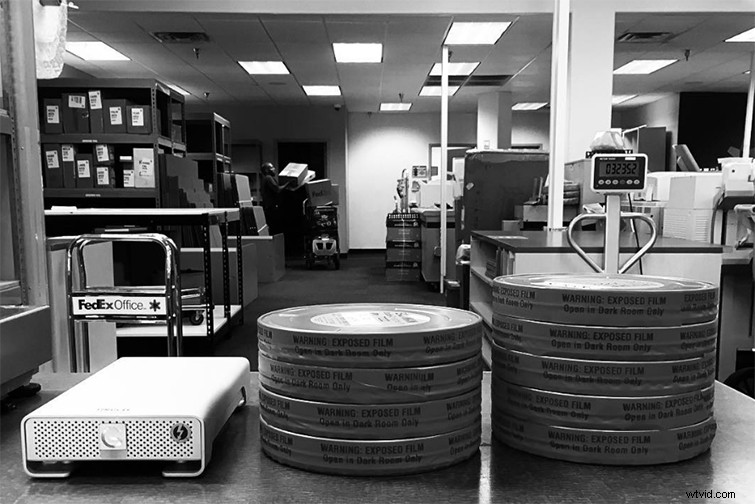
The process of sending footage off to be scanned and processed shouldn’t come as a surprise for those who have worked with film stock before, but if you’re just starting off and deciding between film and digital, you’re going to have a rude awakening if you’re used to reviewing footage right away. The scanning process is far from quick, easy, or cheap.
To find out more about “1985,” you can follow the film at its website here. For more filmmaking tips and tricks, check out these articles.
- 5 Tips for Shooting a Period Film on a Tight Budget
- Filmmaking Advice: Why You Should Consider Shooting in Black and White
- 7 Indie Filmmaking Tips for Shooting Day for Night
- Everything You Never Knew You Wanted to Know About Film
- Adding Film Grain Overlays | PremiumBeat.com