
Bringing Reality TV to life means cutting hours of raw footage into clear conflicts and character beats. We went to Emmy Award-winning editor Katherine Griffin for insight.
In narrative screenplays, conflict is king. However, crafting compelling, layered, truthful characters is key to the audience caring about the journey. Reality TV might be the purest exploration of that concept.
One of the main differences between scripted and unscripted is who’s driving the success of the story. Feature films are often thought of as director driven. Scripted TV is the writer and producer’s medium. However, one could argue that Reality TV is made in the editing bay. Hours of footage needs to be whittled down to identify the desired conflict and character development. Reality shows, just like history, are not always grounded in facts, but rather in the interpretation of them by those in charge. Are there any responsibilities in that interpreted representation or is it simply entertainment?
To break this all down, PremiumBeat went to an invaluable source — Emmy Award-winning editor for Top Chef and six-time nominee, Katherine Griffin.
Editor Katherine Griffin’s Insights
Griffin’s work in reality television is extensive. She’s edited shows that explored finding love (Beauty and the Geek, Bachelor in Paradise), testing personal resolve (Fear Factor, American Ninja Warriors), family dynamics (Keeping Up with the Kardashians), working as a team (The Amazing Race), and career excellence (Project Runway, Shear Genius, Top Design, Top Chef).
Documentary Storytelling
As varied as these shows are, we wondered: Is there a common thread when approaching an edit for a reality show?
Make It Work
In theory, the concept of “make it work” seems roll-up-your sleeves romantic, but what about the reality? What kinds of tricks can an editor do to serve the storytelling with limited footage? And, are they different tricks than a scripted editor might use?
Tackling Projects with Avid
With so much responsibility, one needs great power. Katherine feels most comfortable with Avid, which has great media management and sharing capabilities.
Reality TV’s Longevity
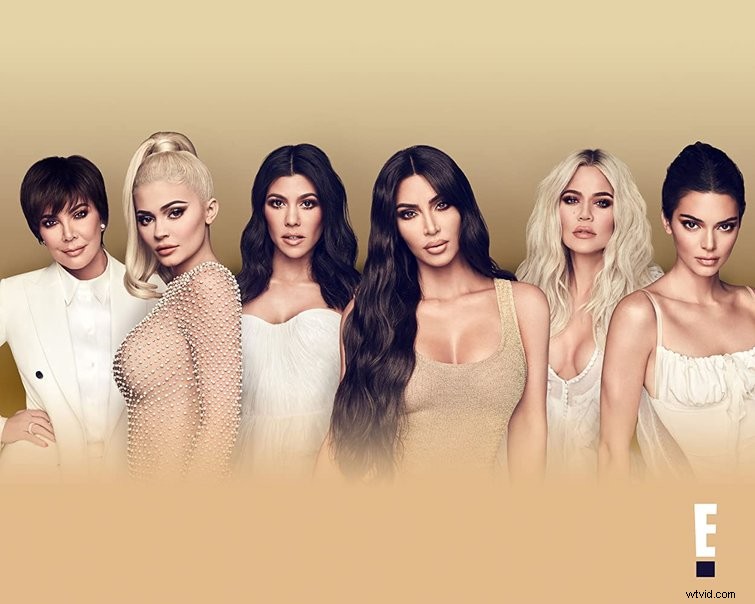
According to a Morning Consult/Hollywood Reporter study in 2018, people’s opinion of Reality TV had a low favorability, but they still watched it. When chatting with Katherine, even I felt the need to offer “full disclosure” that I’ve seen all forty seasons of Survivor. She was very familiar with that reaction and dug deeper on what she thinks contributes to the longevity of many of these reality shows.
The Secret to Casting
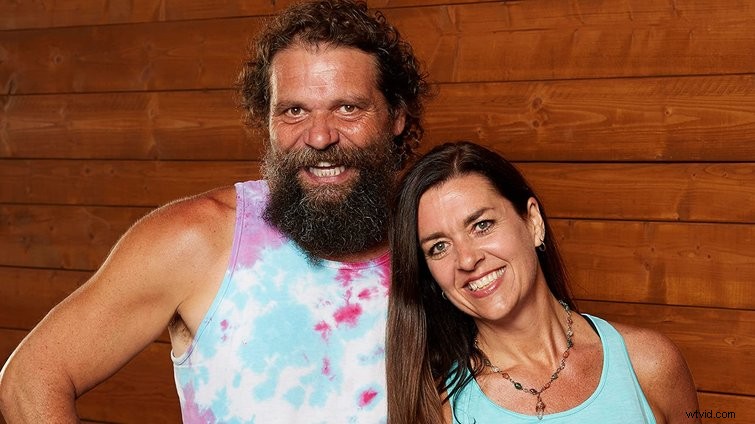
Casting seems to be everything when it comes to Reality TV. We were curious: What are the secret ingredients that contribute to the ebb and flow of a cast member’s popularity across an entire season?
Providing a Roadmap
That’s the rub, isn’t it? Expecting honesty and vulnerability from people who know they’re being filmed and edited. How much actual reality can you expect to capture? And, who drives that? In narratives, the screenwriter provides the text. In Reality TV, do producers provide the roadmap and agenda or is the show really found in the footage?
The Character’s Narrative
Archetypes are created in reality television. Heroes and villains, the crazy, the cutthroat, the trusting or intense. Obviously, choices need to be made to support a character’s narrative that works within the drama of the show. What’s the human cost on that and has a participant ever challenged their depiction in the edit? What are the ethical concerns if a reputation is damaged, since these are real people and not fictional characters? Katherine spoke to that.
Reality TV’s Future
Where is the future of Reality TV going? Will influencers such as the Kardashians, the helpers such as the Queer Eye team, the Real Housewives of insert city here, or the competition shows lead the way? Katherine sees a new trend based on a new normal.
The movers and shakers of the industry might be the most tangible beneficiary of Reality TV. But, for storytellers and storytelling lovers, the gem plucked out of talking to Katherine was her observation that “mostly characters reveal themselves.” Her job is the intersection of art and technique, but her gift to viewers, supported by the continued popularity of the medium, is being able to find the footage that makes everyday people relatable and empathetic.
Interested in video editing? Us too. That’s why we think you’ll like these articles:
- How to Create Continuity When Using Stock Footage
- Beware the Pitfalls of Video Editing with Temp Music
- How to Be a Video Editor that Directors Want to Work With
- Best Practices for Video Editors Working with an Audio Team
- Three Side Hustles That Are Perfect For Video Editors
Cover image of Rhythm + Flow via Netflix.