
Even in today's fast-paced digital and video advertising world, radio ads continue to hold their ground. Recent studies show that 40% of U.S. adults are light users of both TV and the internet. These "media-light" consumers are tough to reach, except through radio.
Radio listeners are often highly engaged, tuning in during their commute, at work, or while going about their daily routines. This gives your message a better chance of being heard and remembered.
If you want better reach and ROI, radio advertising is worth a closer look. In this article, you'll learn how to create a radio advertisement that captures attention and delivers real results.

-
- Types of Radio Ads - What Works and Why
- Who is the Target Audience for Radio Advertising?
-
- Basic Specs and Requirements of a Radio Ad
- AI Radio Ad Generator: From Text to Sound in Minutes
- How to Make a Radio Ad with Best Radio Ad Generator
Part 1. How Does a Radio Advertisement Work?
Radio advertising is an audio message created to promote a product, service, or brand over the radio. It works by delivering your message directly to a targeted audience during a specific time slot on a specific station.
As radio is often consumed in real-time, during commutes, work hours, or home routines, it gives advertisers a unique chance to reach listeners when they are focused and less distracted by visuals.
Radio ads are typically sold by airtime, with prices influenced by station popularity, listener demographics, time of day, and ad length. Many radio stations also help produce ads or offer talent to voice them.
Types of Radio Ads - What Works and Why
Types of Radio Ads- Jingles: Short, catchy tunes that help your brand stick in the listener's memory. It's great for brand awareness and long-term recall.
- Live reads: Delivered by radio announcers during their shows, giving the ad a more personal and trusted tone. Ideal for local services or products endorsed by the host.
- Produced ads: Pre-recorded spots with professional voiceovers, music, and sound effects. These offer full creative control and are often used for larger campaigns.
- Sponsorships: Your brand supports a specific program, segment, or event, and gets mentioned regularly throughout. It helps to build consistent brand associations.
- Personified Radio Ad: An ad that uses a fictional character or persona to deliver the message, often adding humor or storytelling. Useful for making the message more engaging and relatable.
Who is the Target Audience for Radio Advertising?
📌 Radio ads work best for:
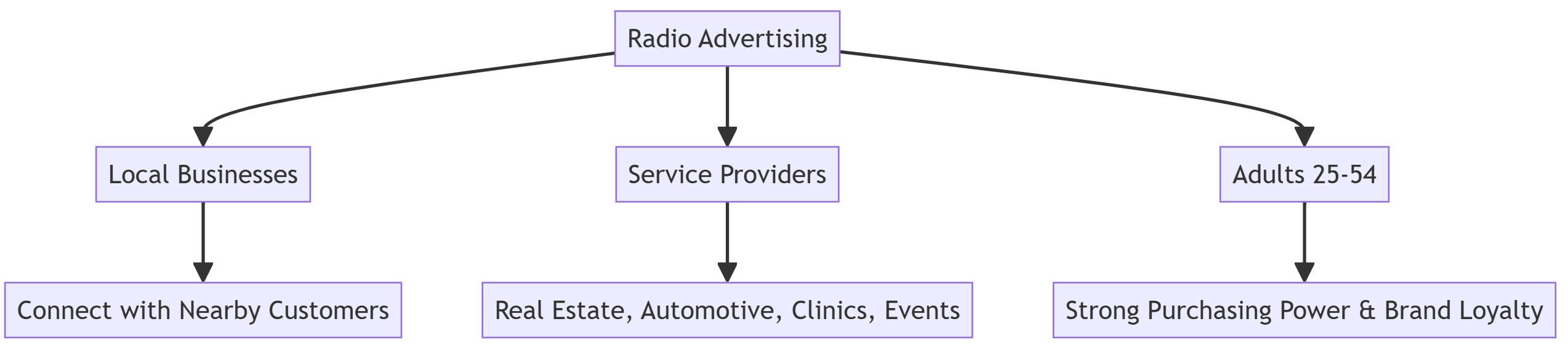
- Local businesses looking to connect with nearby customers
- Service providers such as real estate, automotive, clinics, and events
- Brands targeting adults aged 25-54 — a demographic known for strong purchasing power and brand loyalty.
Part 2. Benefits and Limitations of Radio Ads
Before jumping into production, it's helpful to consider the advantages and challenges of radio commercials. Like any medium, radio has its strengths and some drawbacks.
- Selective Targeting: Choose specific stations, time slots, and programs to reach your ideal audience.
- High-Frequency Ads: More affordable airtime means you can repeat your message frequently.
- Cost-Effective: Lower production and broadcast costs, especially for local campaigns.
- Short Creation Cycles: Faster production turnaround for time-sensitive promotions.
- Lack of Visuals: Audio-only format relies on voice and sound to be memorable.
- Challenging Spot Buys: Planning and purchasing airtime can be complex across stations.
- Poor Attentiveness: Listeners may be distracted or multitasking, reducing ad impact.

Pro Tip: Radio ads work best when you're trying to reach people in a specific area and need to get your message out often without breaking the budget. They're most effective if what you're promoting can be clearly explained through audio, like a store opening, a weekend sale, or a community event. If you need to move quickly and want to build familiarity through repetition, radio might be a wise choice.
Part 3. How to Make a Radio Commercial That Hits
You no longer need a fully equipped studio or a big budget to produce great radio ads. With the right tools and a clear script, you can create polished, professional-grade commercials in just minutes, right from your laptop. Before you get started, here are some technical basics you can refer to:
Basic Specs and Requirements of a Radio Ad
Lengths: 15, 30, or 60 seconds are the most common durations
Format: MP3 or WAV, depending on the station
Voiceovers: Can be delivered as a live read, professionally recorded voiceover, or AI-generated voice
AI Radio Ad Generator: From Text to Sound in Minutes
One of the easiest ways to create a professional radio advertisement is with Wondershare Filmora. This editing platform includes AI radio ad generator tools that can help you streamline the process of making an ad.
Filmora offers a built-in voiceover tool that lets you draft, customize, and produce your ad in one place. You can pair your script with natural-sounding voice styles, background music, and catchy sound effects.
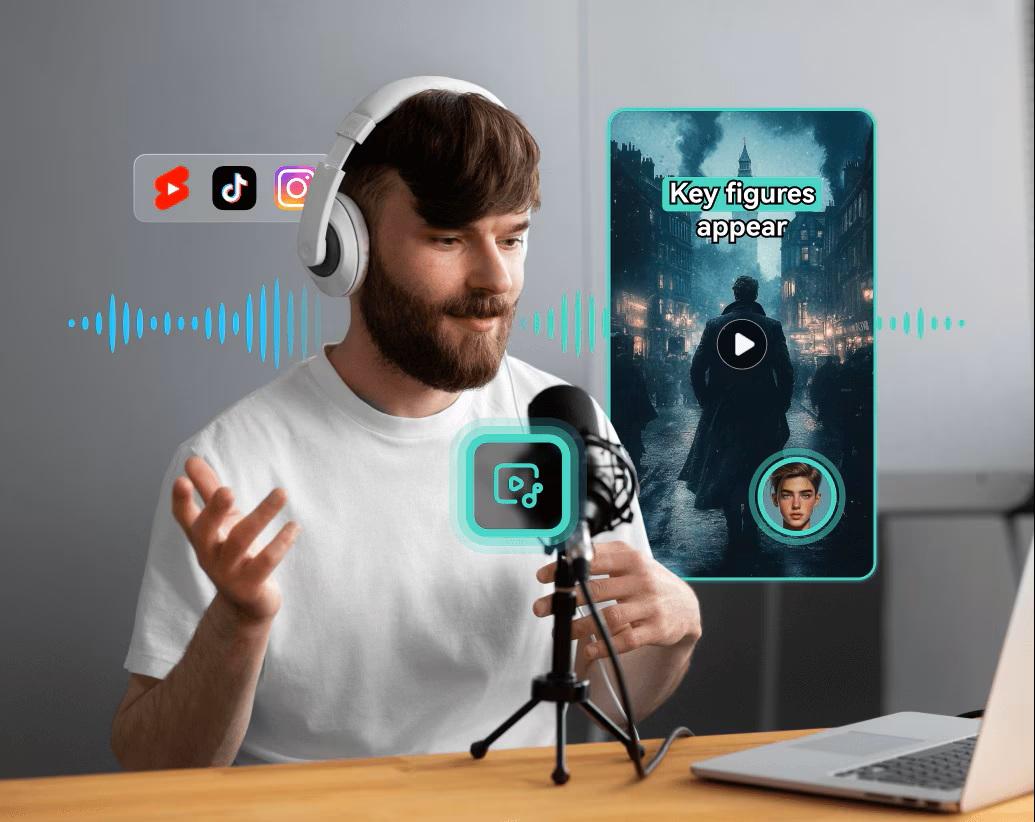 Key Features in Filmora for Making Radio Ads:
- AI Music and AI Sound Effects: Instantly match moods or themes with smart music and sound suggestions.
- Built-in music and sound effects library: Explore hundreds of royalty-free tracks and effects.
- Text-to-Speech to generate a voiceover: Turn your script into a voiceover with just a few clicks.
- Voice Cloning: Clone your own voice to save time and avoid recording every line manually.
- Audio Editing Tool: Use tools like denoise, audio enhancer, or volume balance to polish your sound.
How to Make a Radio Ad with Best Radio Ad Generator
Step 1Write Your Script
Keep it short, clear, and conversational. Focus on one main message and include a call to action.
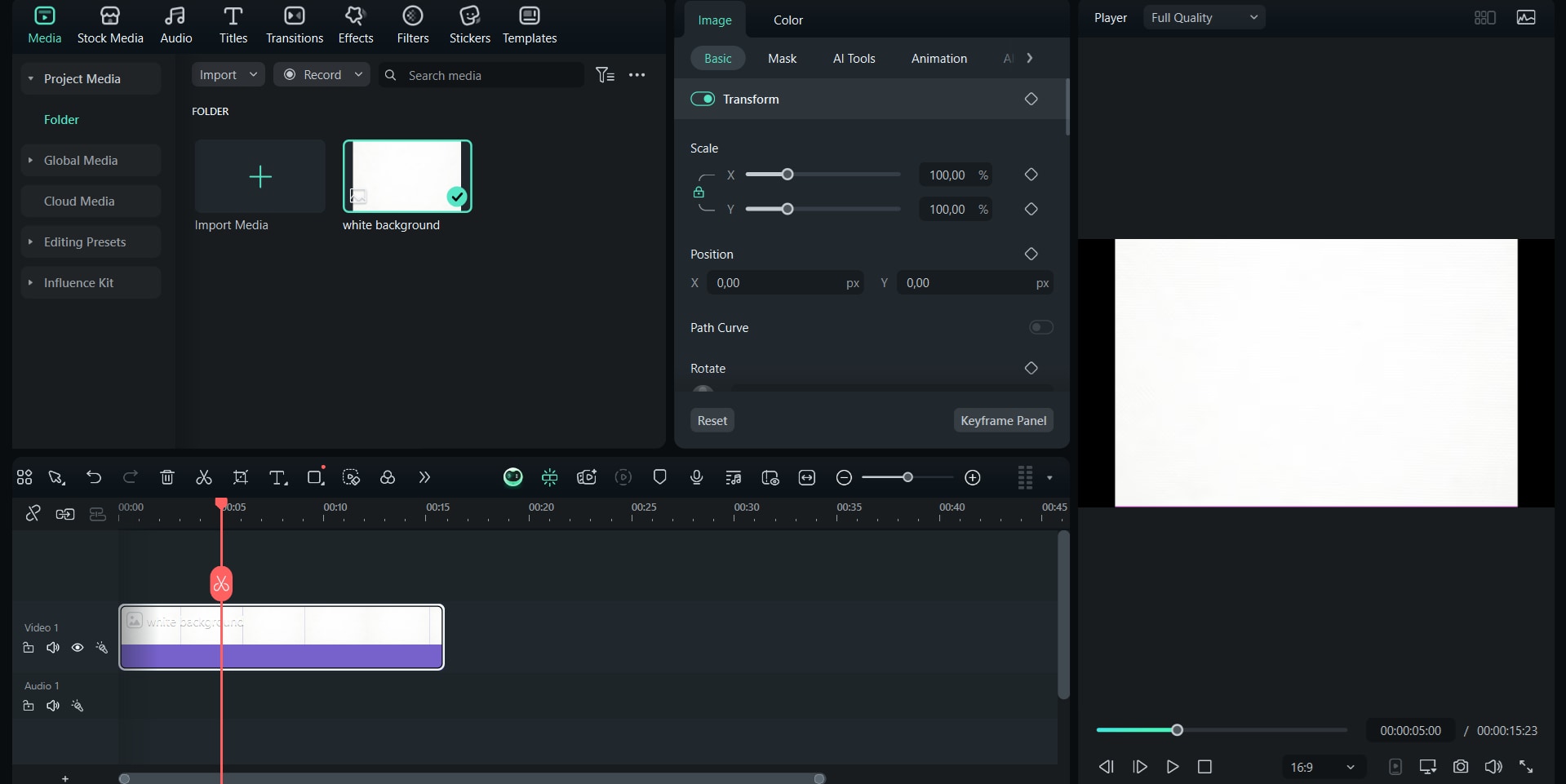
Step 2Open Filmora and start a New Audio project
You can choose a blank canvas and focus only on audio if you're not adding visuals.


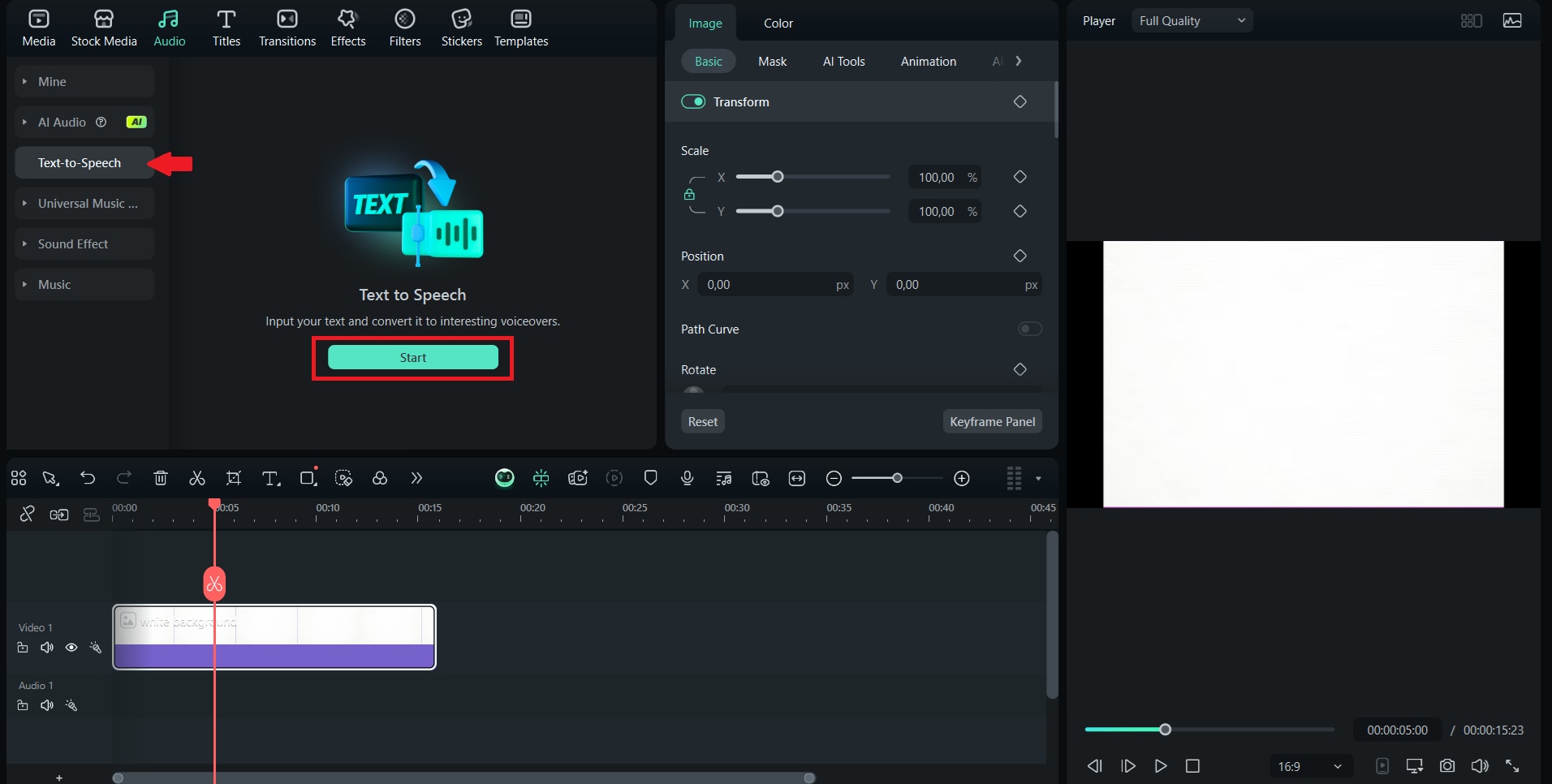
Step 3Use the Text-to-Speech tool
Paste your script and choose a voice that matches your tone (professional, friendly, energetic, etc.)
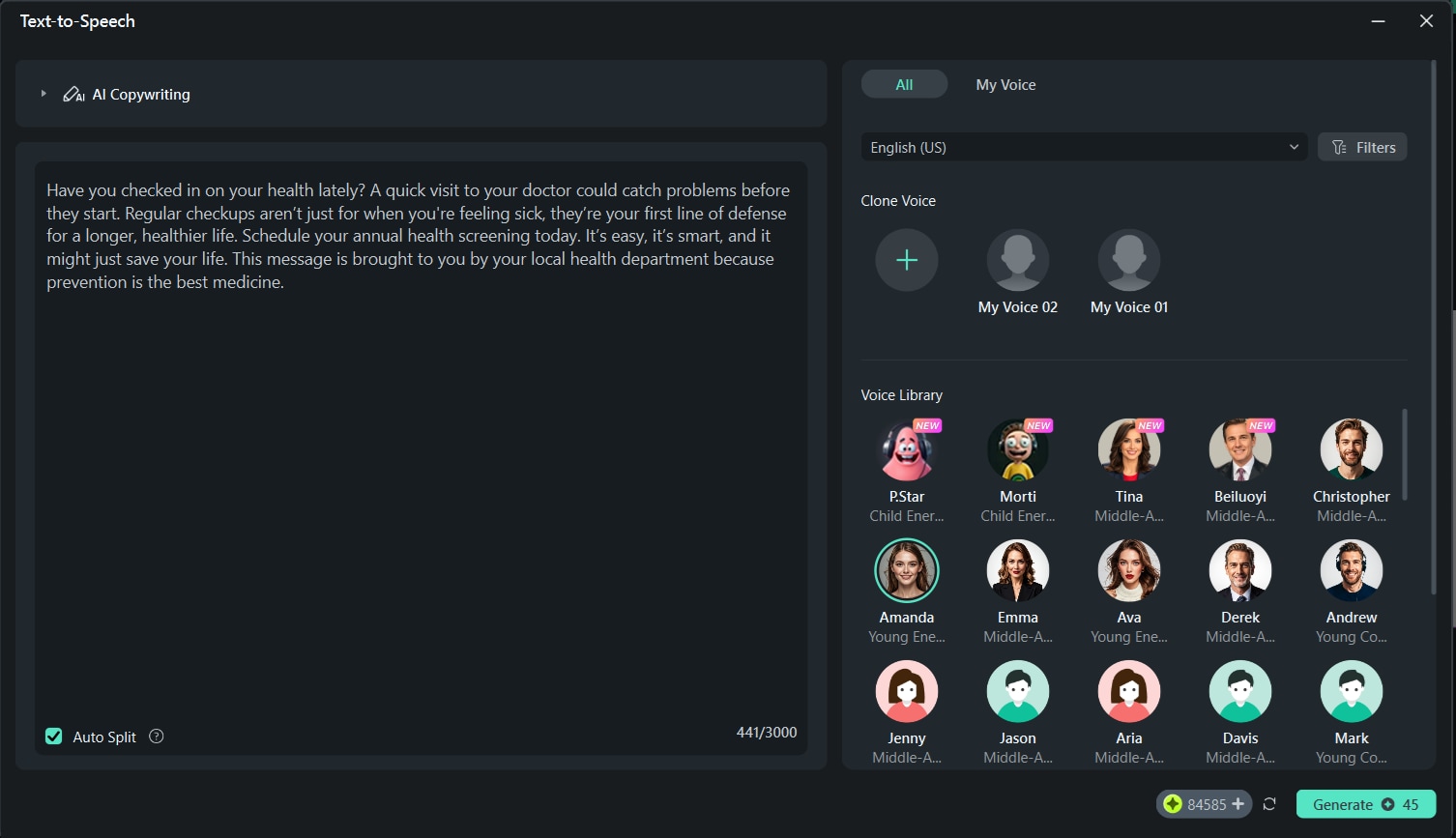
Step 4Adjust the Text-to-Speech parameters
In this section, simply enter your radio ad script and adjust the settings such as language, voice style, speed, and pitch to fit your needs.
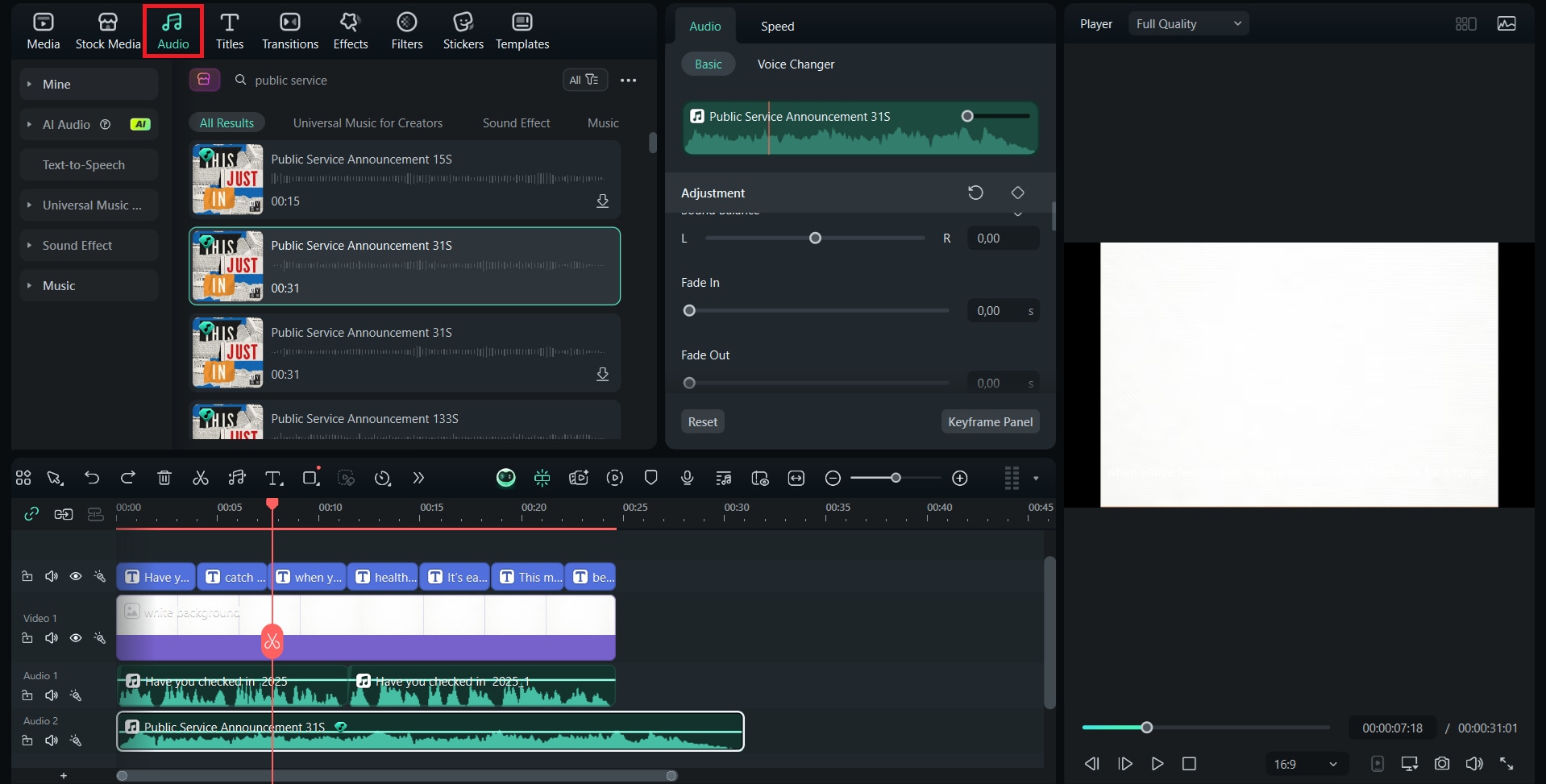
Step 5Add Background Music and Sound Effects
Browse Filmora's built-in library to add background music and subtle effects that enhance your message.
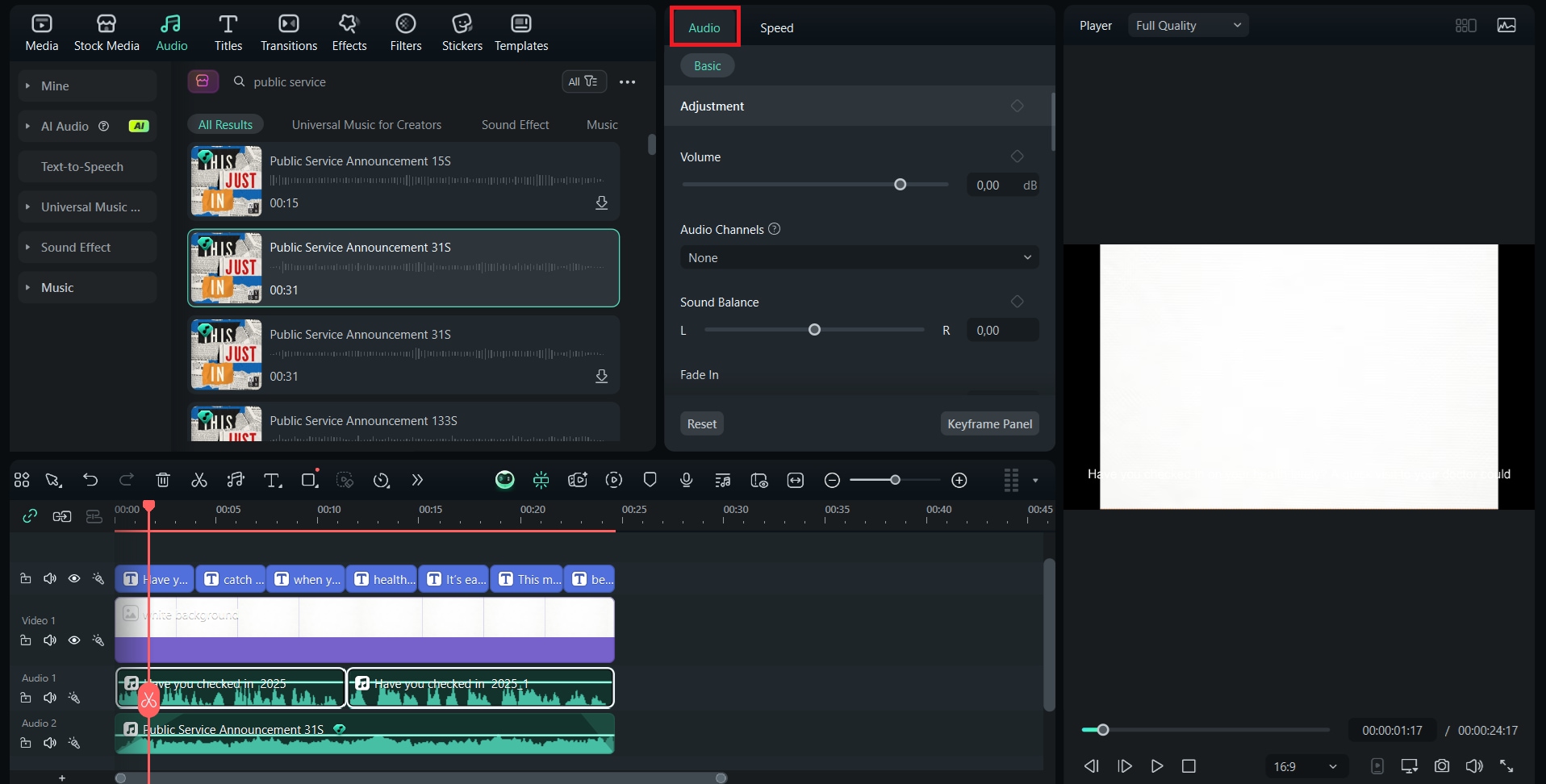
Step 6Fine-tune your audio
- Use Filmora's AI Voice Enhancer to automatically remove background noise and boost vocal clarity.
- Reduce common audio issues like wind, hiss, and reverb with specialized one-click filters.
- Apply smart audio ducking to balance voice and background music seamlessly.
- Easily adjust volume levels and audio effects directly on the timeline — no extra tools needed.
- Achieve professional, broadcast-quality sound quickly, even if you're not an audio expert.
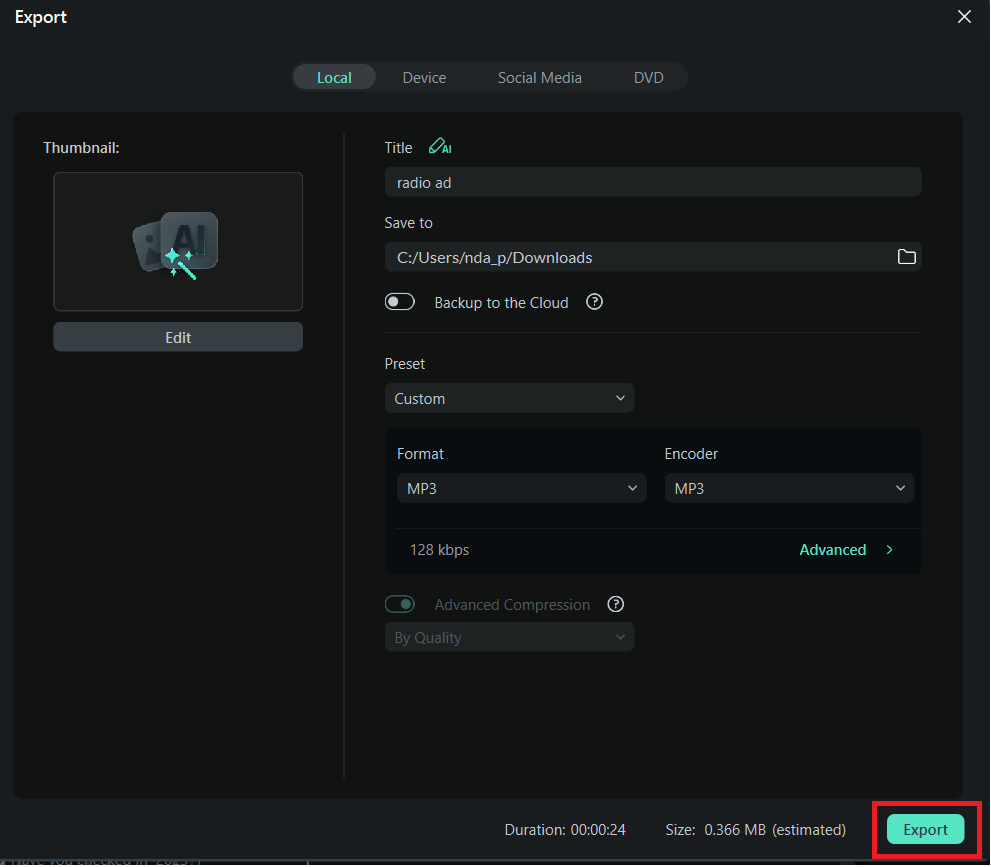
Step 7Export your file
Once your ad is ready, export it in the format your chosen radio station requires, usually MP3 or WAV.
Filmora now supports high-precision audio export, allowing you to capture every detail with 48kHz sampling and export in 32-bit float. This ensures your radio ad sounds crisp, clear, and professional on any station.
Part 4. How to Get the Most Out of Your Radio Ad
Learning how to make a radio advertisement is only the beginning. To make sure it delivers results, you need to think carefully about where and how it will be heard. A well-produced ad won't do much if it's not reaching the right audience at the right time.
So, what can you do to get the most out of your radio spot?
- Know Who You're Talking To: Start by understanding your audience. Think about what matters to them, when they usually listen, and what kind of message will grab their attention.
- Pick the Right Station: Choose a station that fits your audience's age group, interests, and daily routines.
- Set a Budget That Makes Sense: Figure out how often and when your ad should air to fit your budget, while still keeping your message relevant to your audience.
- Choose the Right Type of Ad: Select the format that matches your message and goals. Whether it's a catchy jingle, a friendly live read, or a polished produced ad, the right choice makes a big difference.
Part 5. Radio Ad Examples to Learn From
One of the best ways to improve your radio ad is to learn from real-life examples. Below are some of the best radio ads that show how different styles and strategies can work effectively. Each demonstrates key principles that you can apply to your campaigns.
Geico - "Did You Know?" Series
Why It Works:
Geico blends humor with information. The quirky script grabs attention, then ties it back to their core message: saving money on insurance.
Takeaway Tip:
Don't be afraid to be creative or funny, as long as you still deliver a clear call to action.
Nike - Inspirational Spot (Winning Isn't for Everyone)
Why It Works:
This ad uses strong narration and emotional storytelling to build energy and connect with listeners on a deeper level.
Takeaway Tip:
Motel 6 - Still Burning Brightly - Keeping
Why It Works:
This ad uses a calm, familiar voice and a simple message that's easy to remember. The tone is friendly and consistent, building trust over time.
Takeaway Tip:
Keep your message clear and your tone consistent to make your brand more relatable and memorable.
When appropriate, aim for emotional impact. A strong message paired with powerful audio elements can leave a lasting impression.
Conclusion
Radio advertising may feel like a classic approach, but it's still incredibly powerful when done right. With the ability to target specific audiences, create an emotional connection through sound, and deliver messages quickly and affordably, radio remains a wise choice for many campaigns.
Be it promoting a local event, launching a new service, or building brand awareness, the best radio commercial can deliver tangible results. Well, thanks to smart tools like Filmora, creating radio ads is easier than ever. Once you know the steps, all you have to do is write the script, record, and get your message heard!

Filmora
⭐⭐⭐⭐⭐
The Best AI-powered Video Editing Software and App