
Lighting is the backbone of any compelling image. Even the most perfect composition can feel flat without the right illumination. In our Finding the Light series, we guide you through mastering every type of light—natural, artificial, and the unconventional.
Part 6 of the series brings you the final lesson: how to use creative light sources to transform ordinary scenes into striking photographs. If you’re new to the series, start at the beginning: Part 1: Finding the Light, Part 2: Using Shadows for Dramatic Portraits, Part 3: Shooting the Golden Hour, Part 4: How to Shoot in Harsh Light, Part 5: 3 Ways to Use Window Light, Part 6: Creative Light Sources.
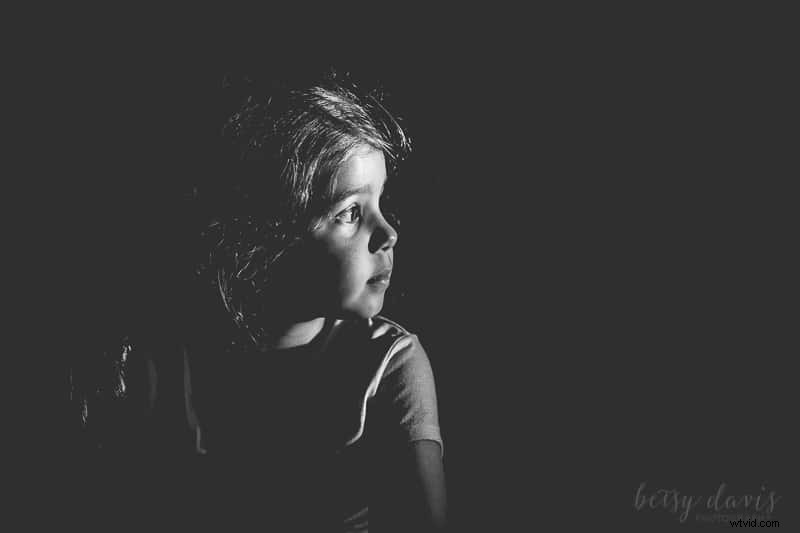 ISO 1000, f/2.2, 1/200
Photography often starts in the most unassuming places—my own kitchen, a living room, or a hallway. I’ve learned that any light source, no matter how modest, can be a powerful tool if you learn to see it. A car’s headlights, for instance, were the sole source for the image above—proof that everyday fixtures can become dramatic storytelling devices.
What to Look For
When scouting for light, keep your eyes open for subtle glows that others overlook. At night, observe how light spills through windows, from porch lights, or streetlamps. Even the hum of a refrigerator can provide a low-key illumination that adds texture. The key is to notice light everywhere and in every direction.
 ISO 1000, f/2.5, 1/160
Harnessing Everyday Glow
Walk around your home and list all light-emitting objects—candles, flashlights, smartphones, or LED strips. Think beyond traditional lamps. Each source offers a unique color temperature and intensity that can be leveraged to create mood, depth, or a focal point.
The beauty of creative lighting is its versatility: there’s no single “right” method. Instead, it’s about experimenting and trusting your visual instincts.
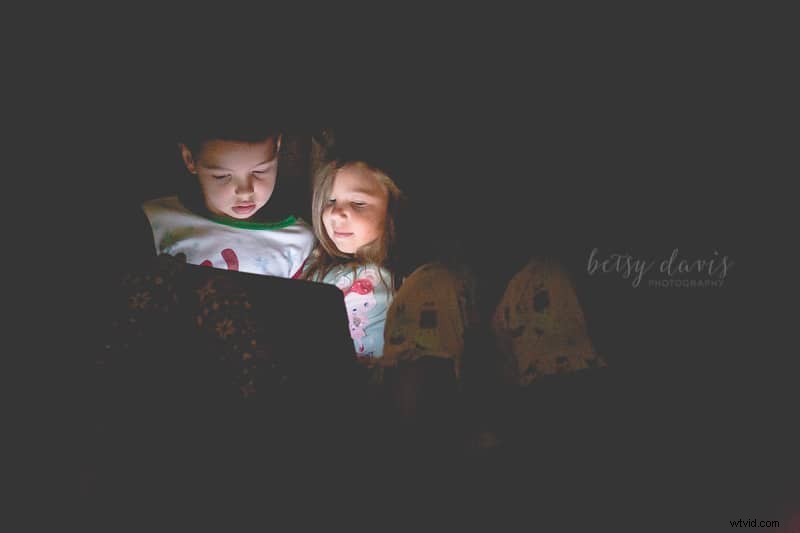 ISO 16000, f/2.2, 1/125
Practical Tips for Alternative Light
When working with unconventional sources, treat the light source like any other—position it, control its spread, and adjust exposure accordingly. Typical challenges arise from single, often smaller, light points, but simple techniques can yield professional results:
- Use a wide aperture (f/2.8 or lower) to gather more light.
- Increase ISO to boost sensor sensitivity—modern cameras handle higher ISO with minimal noise.
- Spot meter on the subject’s skin for precise exposure.
Remember, lighting need not be flawless to create a memorable image; it’s about how you perceive and manipulate it. I’ve shared many personal anecdotes throughout this series, and I hope they inspire you to explore light in fresh, inventive ways.
Curious to learn more? Revisit the full Finding the Light series:
Part 1: Finding the Light
Part 2: Using Shadows for Dramatic Portraits
Part 3: Shooting the Golden Hour
Part 4: How to Shoot in Harsh Light
Part 5: 3 Ways to Use Window Light
Part 6: Creative Light Sources
What unconventional light source has surprised you? Share your stories in the comments—we’re eager to hear your creative breakthroughs!